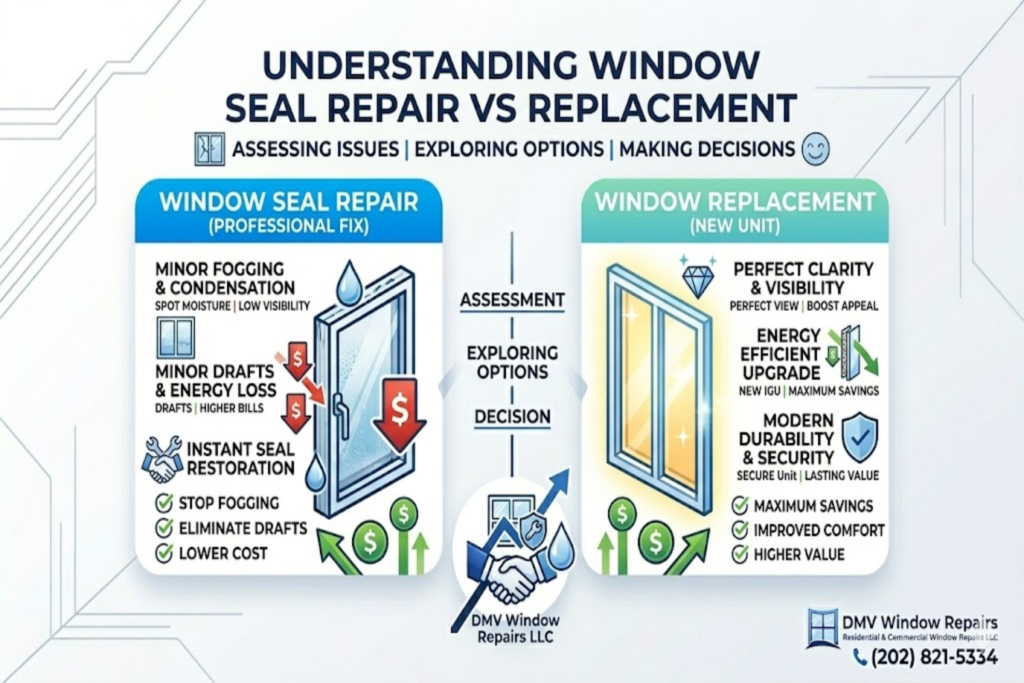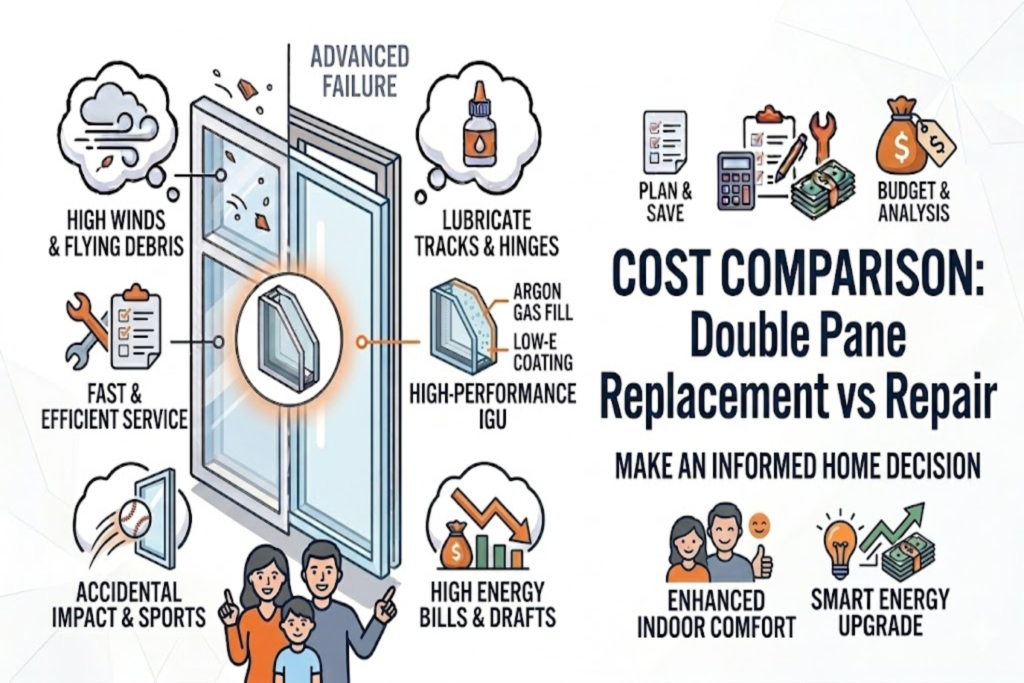

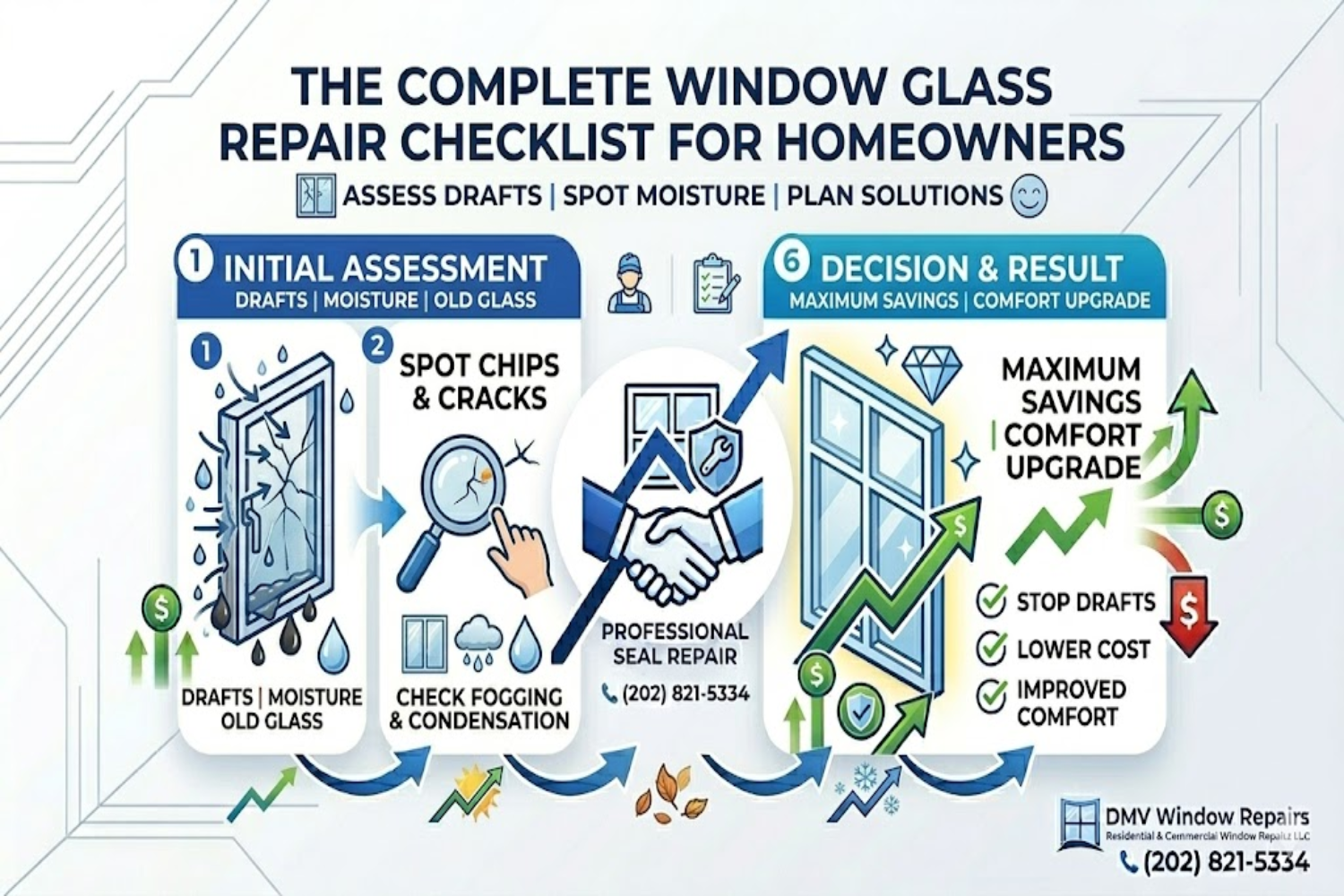
The Complete Window Glass Repair Checklist empowers homeowners to systematically identify assess and address common glass-related issues before they escalate into expensive replacements structural damage or safety hazards. Regular inspections combined with timely minor repairs extend the life of existing windows restore energy efficiency maintain clear views and prevent secondary problems like water intrusion mold growth rot and interior damage. This comprehensive checklist covers visual inspection tools needed diagnostic steps DIY-safe fixes when to stop and call professionals and seasonal considerations for proactive care.
Many glass problems start small such as hairline cracks edge chips minor seal failure or surface scratches but ignoring them allows thermal stress wind pressure or moisture to worsen the condition rapidly. Following this step-by-step guide helps homeowners save money avoid unnecessary full replacements preserve home comfort and ensure windows continue performing reliably through changing seasons. Proper tools quality materials safe techniques and realistic expectations make most basic repairs achievable for average DIY skill levels while knowing personal limits prevents costly mistakes.
Whether dealing with foggy insulated units cracked single-pane glass scratched low-E coatings or hardware strain related to glass stress this checklist provides clear actionable guidance. In Woodbridge VA where temperature swings humidity and occasional storms accelerate glass and seal wear following a thorough checklist becomes especially valuable for preventing persistent issues.
Initial Visual Inspection Steps
Begin every window glass repair assessment with a thorough visual inspection from both inside and outside during daylight preferably with natural light hitting the glass at different angles. Walk around the entire house checking every window systematically starting from the ground floor and working upward. Look for obvious cracks chips scratches haze fogging discoloration water stains peeling paint bubbling or soft spots on frames and sills.
Feel for drafts cold spots or heat near glass surfaces and listen for whistling or rattling during breezy conditions. Document findings with photos notes and location details to track changes over time and prioritize urgent repairs. This initial walkthrough often reveals multiple issues allowing efficient planning of tools materials and professional consultations.
Exterior Glass and Frame Examination
Inspect exterior glass for impact damage chips cracks or scratches that expose inner layers to moisture and weather accelerating deterioration. Check frames sills and exterior caulk for cracks gaps peeling discoloration rot or water stains indicating past or ongoing leaks.
Interior Glass and Surroundings Check
Look for internal fogging haze condensation between panes water marks on sills bubbling paint musty odors or unusual dust accumulation signaling seal failure or air leakage.
Tools and Materials Every Homeowner Should Have
Assembling a dedicated window glass repair kit saves time frustration and repeated store trips while ensuring safe effective fixes. Basic tools include utility knives putty knives razor scrapers measuring tape levels caulk guns painter’s tape microfiber cloths squeegees soft brushes extension poles safety gloves eye protection and drop cloths.
Essential materials feature high-quality exterior-grade silicone or hybrid caulk weatherstripping rolls glass cleaner denatured alcohol resin chip repair kits temporary tape for cracked glass and lubricants for hardware. For advanced DIYers add thermal leak detectors infrared thermometers moisture meters and small glass cutting tools though these often signal professional territory.
Safety Equipment Priority List
Always prioritize cut-resistant gloves safety glasses dust masks knee pads and sturdy ladders or stable step stools to prevent injuries during inspection cleaning or repair work.
Repair Consumables Checklist
Stock neutral-cure silicone caulk closed-cell foam weatherstripping V-strip tension seals UV-resistant glazing putty clear resin chip filler and painter’s tape for clean professional-looking results.
Diagnostic Questions to Ask Yourself
Before attempting any repair ask targeted questions to determine severity and whether DIY is appropriate. Is the damage surface-only or through the glass? Is fogging internal between panes or surface condensation? Does the window operate smoothly or bind? Are there water stains odors or soft wood? Has energy performance noticeably declined? Answering honestly guides next steps and prevents unsafe or ineffective attempts.
Following The Complete Window Glass Repair Checklist allows homeowners to catch issues early perform safe effective DIY repairs when appropriate and recognize when professional intervention is essential for safety performance and longevity. Systematic visual inspections proper tools diagnostic questioning targeted fixes seasonal integration and post-repair verification prevent small problems from becoming expensive disasters.
Severity Assessment Guide
- Surface scratches minor edge chips and operable hardware issues often suit DIY while internal fogging deep cracks persistent leaks or structural bowing demand professional evaluation.
- Following The Complete Window Glass Repair Checklist allows homeowners to catch issues early perform safe effective DIY repairs when appropriate and recognize when professional intervention is essential for safety performance and longevity.
- Systematic visual inspections proper tools diagnostic questioning targeted fixes seasonal integration and post-repair verification prevent small problems from becoming expensive disasters.
When to Stop DIY and Call Experts
Stop immediately if you encounter broken tempered glass spontaneous shattering delamination widespread seal failure frame rot or any doubt about safety structural integrity or warranty implications.
Step-by-Step Minor Glass Repair Procedures
For DIY-safe issues follow precise steps to achieve durable professional-quality results. Always work in mild weather clean dry surfaces thoroughly and allow full curing times before testing or exposing to elements. Following The Complete Window Glass Repair Checklist allows homeowners to catch issues early perform safe effective DIY repairs when appropriate and recognize when professional intervention is essential for safety performance and longevity. Systematic visual inspections proper tools diagnostic questioning targeted fixes seasonal integration and post-repair verification prevent small problems from becoming expensive disasters.
Surface Scratch and Chip Repair Process
Clean the area apply clear UV-curing resin fill the chip or scratch level smooth cure under sunlight or UV lamp then polish gently for clarity without compromising strength.
Exterior Caulk and Sealant Reapplication
Remove old deteriorated caulk completely clean with denatured alcohol apply fresh high-performance sealant tool smooth concave bead remove tape immediately and protect from rain during cure.
Advanced Issues Requiring Professional Repair
Certain glass problems exceed safe DIY scope due to specialized tools equipment materials or safety risks involved. Internal seal failure requiring desiccant injection or argon re-charge cracked insulated units deep stress fractures delamination bowed glass and hardware strain from glass expansion all warrant certified technicians.
Following The Complete Window Glass Repair Checklist allows homeowners to catch issues early perform safe effective DIY repairs when appropriate and recognize when professional intervention is essential for safety performance and longevity. Systematic visual inspections proper tools diagnostic questioning targeted fixes seasonal integration and post-repair verification prevent small problems from becoming expensive disasters.
Insulated Glass Unit Failure Indicators
Permanent internal fogging cloudiness haze or condensation between panes almost always means seal breakdown necessitating professional IGU replacement or restoration.
Structural and Safety-Related Concerns
Any crack penetrating through one or both panes spontaneous breakage tempered glass explosion risk laminated delamination or bowing that affects operation requires immediate expert attention.
Seasonal Glass Maintenance Integration
Incorporate glass-specific checks into seasonal routines to prevent problems year-round. Spring for thorough cleaning and chip repair summer for UV protection verification fall for seal reinforcement and winter for condensation monitoring and ice damage prevention.
Following The Complete Window Glass Repair Checklist allows homeowners to catch issues early perform safe effective DIY repairs when appropriate and recognize when professional intervention is essential for safety performance and longevity. Systematic visual inspections proper tools diagnostic questioning targeted fixes seasonal integration and post-repair verification prevent small problems from becoming expensive disasters.
Spring Glass Inspection Focus
Clean all glass surfaces inspect for winter damage repair chips re-caulk exterior joints and verify no new internal fogging after temperature rise.
Winter Condensation and Ice Management
Monitor for frost patterns increase ventilation use dehumidifiers keep blinds open during sunny periods and carefully remove exterior ice buildup to avoid glass stress.
Safety Precautions During Glass Repair
Always treat glass repair with respect for its fragility and sharpness potential. Work with stable ladders secure the area below keep children pets away wear proper protection and never force cracked glass or attempt repairs on large heavy units alone. Following The Complete Window Glass Repair Checklist allows homeowners to catch issues early perform safe effective DIY repairs when appropriate and recognize when professional intervention is essential for safety performance and longevity. Systematic visual inspections proper tools diagnostic questioning targeted fixes seasonal integration and post-repair verification prevent small problems from becoming expensive disasters.
Post-Repair Verification Steps
After completing any repair test window operation check for drafts feel for temperature uniformity inspect seals visually and monitor for several days weeks for recurrence of fogging leaks or performance issues.
When Full Replacement Becomes the Better Option
If multiple windows show widespread seal failure repeated repairs fail structural frame damage exists or energy performance remains poor full professional replacement often proves more cost-effective long-term than ongoing partial fixes. Following The Complete Window Glass Repair Checklist allows homeowners to catch issues early perform safe effective DIY repairs when appropriate and recognize when professional intervention is essential for safety performance and longevity. Systematic visual inspections proper tools diagnostic questioning targeted fixes seasonal integration and post-repair verification prevent small problems from becoming expensive disasters.
Conclusion
Following The Complete Window Glass Repair Checklist allows homeowners to catch issues early perform safe effective DIY repairs when appropriate and recognize when professional intervention is essential for safety performance and longevity. Systematic visual inspections proper tools diagnostic questioning targeted fixes seasonal integration and post-repair verification prevent small problems from becoming expensive disasters. This proactive approach saves money maintains comfort energy efficiency clear views and home integrity while avoiding unnecessary full replacements.
Regular use of the checklist builds confidence knowledge and habits that protect windows for years. In Woodbridge VA where seasonal humidity temperature extremes and storms accelerate glass wear consistent checklist-based care proves particularly effective. Woodbridge VA homeowners experience fewer urgent repairs through diligent glass monitoring. Woodbridge VA continues benefiting from structured window glass maintenance routines.
Frequently Asked Questions (FAQs)
How often should homeowners perform a complete window glass inspection?
Conduct basic visual checks monthly and full detailed inspections at least twice yearly spring and fall or whenever you notice new symptoms like fogging drafts or unusual noise.
Can small surface chips in window glass be repaired effectively at home?
Yes minor chips can be filled with clear UV-curing resin sanded and polished for cosmetic improvement though deep chips near edges or penetrating cracks require professional evaluation.
What indicates internal fogging needs professional rather than DIY repair?
Permanent haze cloudiness or condensation trapped between panes that cannot be wiped away from either side signals failed seals usually requiring IGU replacement by experts.
Is it safe to repair cracked window glass yourself?
Surface scratches and very small edge chips may be manageable but any crack through one or both panes spreading cracks or tempered glass issues demand professional replacement for safety.
How do I know if my window glass repair attempt was successful?
Verify no drafts feel uniform temperatures check for new fogging condensation or leaks monitor energy bills and inspect seals visually over several weeks after repair.
What tools are essential for basic window glass repair at home?
Utility knife putty knife caulk gun painter’s tape microfiber cloths glass cleaner resin chip filler weatherstripping safety gloves eye protection and a stable ladder cover most needs.
When should cracked glass be replaced rather than repaired?
Replace immediately if the crack penetrates through panes spreads rapidly compromises structural integrity affects operation or creates safety hazards like potential shattering.
Can I repair low-E coating damage or scratches on modern windows?
Surface scratches on low-E coatings are usually cosmetic and can be minimized but deep damage affecting the coating performance generally requires professional glass replacement.
How do seasonal weather changes affect window glass repair needs?
Freeze-thaw cycles cause expansion stress leading to cracks summer heat accelerates seal failure and humidity promotes internal fogging so inspections before extreme seasons are critical.
What is the biggest mistake homeowners make with window glass repairs?
The most common error is attempting DIY fixes on internal seal failure cracked insulated units or structural issues instead of calling professionals resulting in recurring problems wasted effort and safety risks.