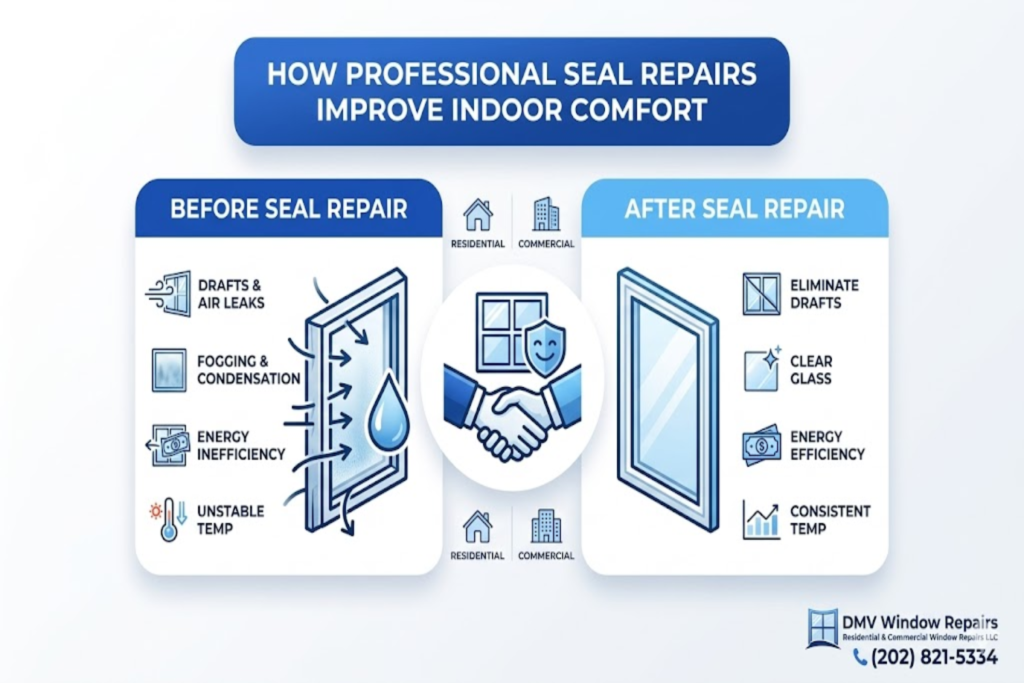

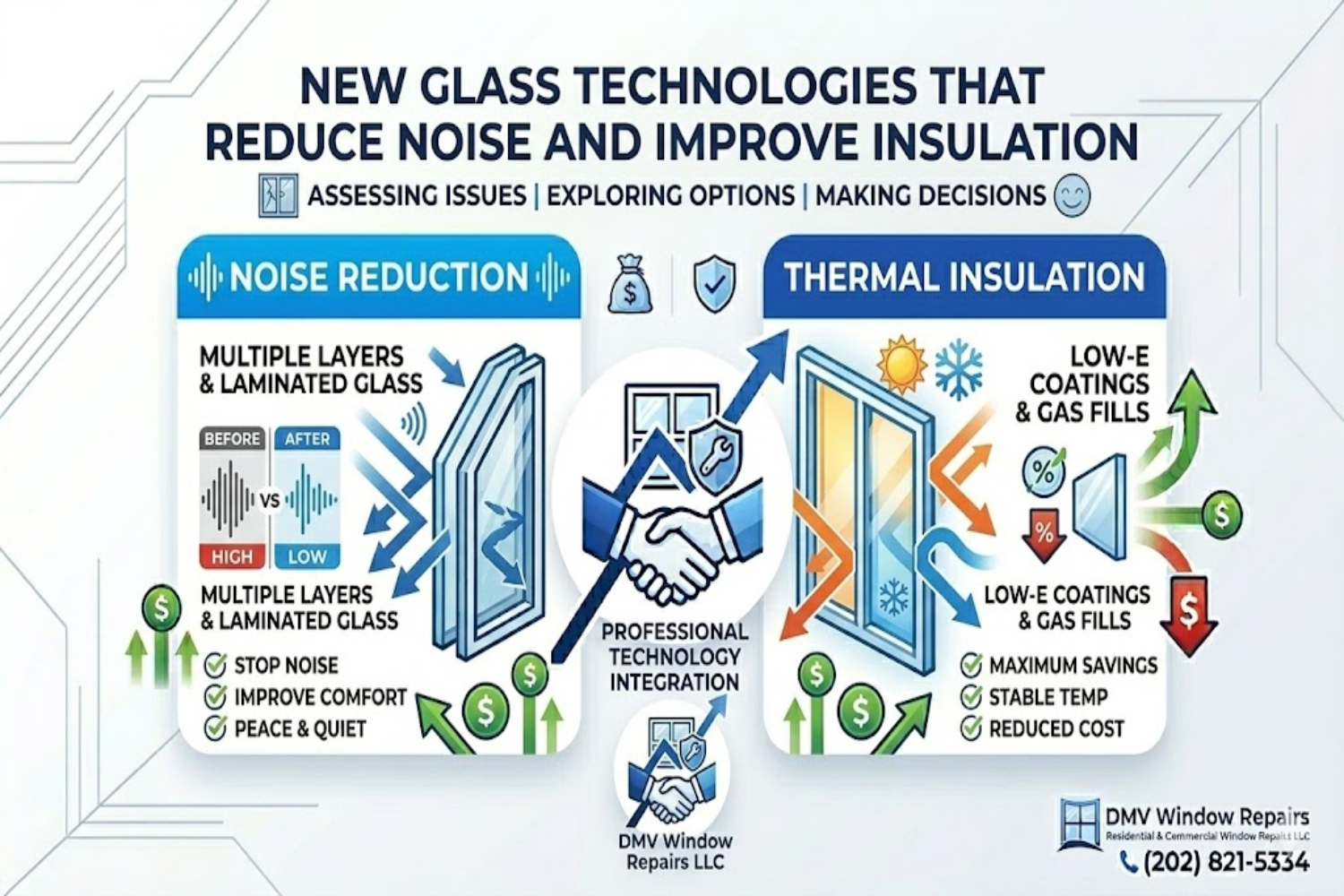
New glass technologies have revolutionized home window performance by simultaneously delivering exceptional noise reduction and superior thermal insulation creating quieter more energy-efficient living spaces that feel noticeably more comfortable year-round. Modern solutions include acoustic PVB interlayers triple and quad-pane configurations vacuum-insulated glass VIG with micro-pillars hybrid vacuum-gas units and dynamic smart glass that adjusts tint for both solar control and acoustic performance. Homeowners upgrading to these technologies experience profound improvements including up to 50–70% noise reduction STCs of 35–50+ decibels and U-factors as low as 0.10–0.20 delivering near-passive-house levels of insulation in standard frames.
Beyond comfort benefits these glasses reduce HVAC runtime, extend equipment life lower carbon footprints block harmful UV rays protect interiors from fading and often qualify for substantial energy rebates tax credits and utility incentives. Professional installation ensures proper sealing pressure equalization and frame compatibility maximizing both acoustic and thermal performance for decades. In Woodbridge VA where traffic noise from nearby roads occasional aircraft overflights and seasonal temperature extremes challenge home tranquility these advanced glass technologies provide particularly valuable dual-purpose upgrades.
Understanding Acoustic and Thermal Performance Basics
Acoustic performance is measured by Sound Transmission Class STC rating with higher numbers indicating better noise reduction while thermal performance uses U-factor lower is better and Solar Heat Gain Coefficient SHGC for cooling-dominated needs. Noise reduction requires mass damping and air-space decoupling while insulation relies on multiple layers trapped gas or vacuum and low-emissivity surfaces. Combining both in one glass package requires careful engineering to balance thickness weight frame load and cost.
New glass technologies that reduce noise and improve insulation transform homes into significantly quieter more energy-efficient and comfortable living environments through acoustic laminated interlayers multi-pane configurations vacuum insulation hybrid designs and advanced spacers. Homeowners gain profound benefits including up to 50–70% noise reduction STCs of 40–55+ U-factors as low as 0.07–0.15 reduced utility bills better sleep concentration privacy UV protection and long-term durability.
How Noise Travels Through Windows
Sound waves vibrate glass panes transmitting through frames and air gaps with single-pane offering almost no resistance double-pane providing moderate damping and advanced laminated multi-pane systems achieving professional studio-level quietness.
Noise reduction requires mass damping and air-space decoupling while insulation relies on multiple layers trapped gas or vacuum and low-emissivity surfaces. Combining both in one glass package requires careful engineering to balance thickness weight frame load and cost.
Thermal Heat Transfer Mechanisms
Conduction through glass and frames convection within gaps and radiation across surfaces all contribute to heat loss/gain with modern technologies targeting each pathway for maximum efficiency.
Noise reduction requires mass damping and air-space decoupling while insulation relies on multiple layers trapped gas or vacuum and low-emissivity surfaces. Combining both in one glass package requires careful engineering to balance thickness weight frame load and cost.
Acoustic Laminated Interlayers for Noise Reduction
Specialized polyvinyl butyral PVB or ethylene-vinyl acetate EVA interlayers in laminated glass absorb vibration energy converting sound waves into heat rather than transmitting them. Standard PVB provides good reduction while acoustic-grade thicker or multi-layer interlayers deliver superior damping especially for low-frequency traffic and aircraft noise.
New glass technologies that reduce noise and improve insulation transform homes into significantly quieter more energy-efficient and comfortable living environments through acoustic laminated interlayers multi-pane configurations vacuum insulation hybrid designs and advanced spacers. Homeowners gain profound benefits including up to 50–70% noise reduction STCs of 40–55+ U-factors as low as 0.07–0.15 reduced utility bills better sleep concentration privacy UV protection and long-term durability.
Standard vs Acoustic PVB Performance
Standard laminated offers 3–6 dB improvement while dedicated acoustic interlayers achieve 8–15 dB additional reduction pushing STC ratings from 32–35 up to 42–50+ depending on configuration.
Noise reduction requires mass damping and air-space decoupling while insulation relies on multiple layers trapped gas or vacuum and low-emissivity surfaces. Combining both in one glass package requires careful engineering to balance thickness weight frame load and cost.
Asymmetric and Multi-Layer Lamination
Using different glass thicknesses like 3mm + 6mm with acoustic interlayer creates natural frequency mismatch further disrupting sound transmission for enhanced low-frequency performance.
Noise reduction requires mass damping and air-space decoupling while insulation relies on multiple layers trapped gas or vacuum and low-emissivity surfaces. Combining both in one glass package requires careful engineering to balance thickness weight frame load and cost.
Triple-Pane and Quad-Pane Configurations
Adding extra glass layers increases mass and air spaces dramatically improving both acoustic damping and thermal resistance with triple-pane typically achieving STC 38–45 and U-factors 0.15–0.25 while quad-pane pushes beyond 50 STC and below 0.15 U-factor. New glass technologies that reduce noise and improve insulation transform homes into significantly quieter more energy-efficient and comfortable living environments through acoustic laminated interlayers multi-pane configurations vacuum insulation hybrid designs and advanced spacers. Homeowners gain profound benefits including up to 50–70% noise reduction STCs of 40–55+ U-factors as low as 0.07–0.15 reduced utility bills better sleep concentration privacy UV protection and long-term durability.
Benefits of Additional Panes
Each added pane increases sound path length and mass while creating more air gaps for dissipation with gas fills enhancing insulation without proportional thickness increase.
Noise reduction requires mass damping and air-space decoupling while insulation relies on multiple layers trapped gas or vacuum and low-emissivity surfaces. Combining both in one glass package requires careful engineering to balance thickness weight frame load and cost.
Frame and Weight Considerations
Thicker multi-pane units require stronger frames and careful installation to prevent sag distortion or seal stress over time. Noise reduction requires mass damping and air-space decoupling while insulation relies on multiple layers trapped gas or vacuum and low-emissivity surfaces. Combining both in one glass package requires careful engineering to balance thickness weight frame load and cost.
Vacuum-Insulated Glass (VIG) Advancements
Vacuum-insulated glass removes nearly all gas between panes using micro-pillars to maintain separation achieving U-factors as low as 0.07–0.12 in thin profiles suitable for retrofits while laminated VIG variants provide excellent acoustic performance. New glass technologies that reduce noise and improve insulation transform homes into significantly quieter more energy-efficient and comfortable living environments
through acoustic laminated interlayers multi-pane configurations vacuum insulation hybrid designs and advanced spacers. Homeowners gain profound benefits including up to 50–70% noise reduction STCs of 40–55+ U-factors as low as 0.07–0.15 reduced utility bills better sleep concentration privacy UV protection and long-term durability.
How Vacuum Eliminates Convection
Eliminating gas virtually stops convective heat transfer leaving only minimal conduction through pillars and radiation which low-E coatings control effectively.Noise reduction requires mass damping and air-space decoupling while insulation relies on multiple layers trapped gas or vacuum and low-emissivity surfaces. Combining both in one glass package requires careful engineering to balance thickness weight frame load and cost.
Acoustic Performance in VIG Units
Thin vacuum units alone offer moderate noise reduction but laminated or hybrid vacuum-laminated configurations deliver high STC ratings comparable to much thicker conventional units. Noise reduction requires mass damping and air-space decoupling while insulation relies on multiple layers trapped gas or vacuum and low-emissivity surfaces. Combining both in one glass package requires careful engineering to balance thickness weight frame load and cost.
Hybrid Vacuum-Gas and Nano-Spacer Technologies
- Hybrid approaches combine vacuum in narrow gaps with argon/krypton in wider spaces or use nano-spacers for minimal conduction paths delivering ultra-low U-factors with practical manufacturing and weight characteristics.
- New glass technologies that reduce noise and improve insulation transform homes into significantly quieter more
- energy-efficient and comfortable living environments through acoustic laminated interlayers multi-pane configurations vacuum insulation hybrid designs and advanced spacers.
- Homeowners gain profound benefits including up to 50–70% noise reduction STCs of 40–55+ U-factors as low as 0.07–0.15 reduced utility bills better sleep concentration privacy UV protection and long-term durability.
Advantages of Hybrid Designs
Hybrids balance extreme insulation with manageable thickness cost and frame compatibility while maintaining good acoustic potential through lamination options. Noise reduction requires mass damping and air-space decoupling while insulation relies on multiple layers trapped gas or vacuum and low-emissivity surfaces. Combining both in one glass package requires careful engineering to balance thickness weight frame load and cost.
Emerging Nano and Aerogel Spacers
Nano-structured or aerogel-filled spacers further reduce edge conduction while some incorporate acoustic damping materials for dual-purpose performance. Noise reduction requires mass damping and air-space decoupling while insulation relies on multiple layers trapped gas or vacuum and low-emissivity surfaces. Combining both in one glass package requires careful engineering to balance thickness weight frame load and cost.
Comparison Table of Noise-Reduction and Insulation Technologies
| Technology | Typical STC Rating | Typical U-Factor | Noise Reduction Level | Insulation Performance | Best For & Key Advantage |
| Standard Double-Pane Laminated | 32–36 | 0.25–0.30 | Moderate | Good | Basic upgrade cost-effective noise & efficiency |
| Acoustic PVB Laminated Double | 38–44 | 0.24–0.28 | Very Good | Good | Urban traffic noise primary focus |
| Triple-Pane Low-E Argon | 38–45 | 0.15–0.25 | Very Good | Excellent | Cold climates balanced noise & heat loss |
| Triple-Pane Acoustic Laminated | 42–50+ | 0.16–0.22 | Excellent | Excellent | High-noise areas plus superior insulation |
| Vacuum-Insulated Glass VIG | 35–40 | 0.07–0.12 | Good | Outstanding | Retrofits thin profile extreme insulation |
| Laminated VIG or Hybrid Vacuum | 42–48 | 0.08–0.15 | Excellent | Outstanding | Best of both worlds thin high-performance |
| Quad-Pane Configurations | 45–55+ | 0.10–0.18 | Outstanding | Near-passive | Maximum noise reduction & insulation luxury applications |
| Smart Electrochromic + Acoustic | 40–50 | 0.20–0.30 | Very Good–Excellent | Good–Very Good | Dynamic control variable sunlight & noise |
Integration with Frame and Installation Quality
Advanced glass technologies require compatible high-performance frames proper installation sealing flashing and pressure equalization to fully realize acoustic and insulation benefits. New glass technologies that reduce noise and improve insulation transform homes into significantly quieter more energy-efficient and comfortable living environments through acoustic laminated interlayers multi-pane configurations vacuum insulation hybrid designs and advanced spacers. Homeowners gain profound benefits including up to 50–70% noise reduction STCs of 40–55+ U-factors as low as 0.07–0.15 reduced utility bills better sleep concentration privacy UV protection and long-term durability.
Maintenance and Longevity Considerations
Regular gentle cleaning biannual inspections for seal integrity condensation or frame issues and prompt attention to any damage preserve both noise reduction and insulation performance for decades. New glass technologies that reduce noise and improve insulation transform homes into significantly quieter more energy-efficient and comfortable living environments through acoustic laminated interlayers multi-pane configurations vacuum insulation hybrid designs and advanced spacers. Homeowners gain profound benefits including up to 50–70% noise reduction STCs of 40–55+ U-factors as low as 0.07–0.15 reduced utility bills better sleep concentration privacy UV protection and long-term durability.
Conclusion
New glass technologies that reduce noise and improve insulation transform homes into significantly quieter more energy-efficient and comfortable living environments through acoustic laminated interlayers multi-pane configurations vacuum insulation hybrid designs and advanced spacers. Homeowners gain profound benefits including up to 50–70% noise reduction STCs of 40–55+ U-factors as low as 0.07–0.15 reduced utility bills better sleep concentration privacy UV protection and long-term durability. These innovations address modern demands for peaceful interiors sustainable living and resilient performance in challenging climates.
Selecting the right combination of acoustic damping thermal barriers and installation quality delivers exceptional value far exceeding initial investment through comfort savings and enhanced property appeal. In Woodbridge VA where traffic noise seasonal temperature swings and humidity create ongoing challenges these advanced glass solutions provide outstanding dual-purpose improvements. Woodbridge VA homeowners experience noticeably quieter more comfortable homes. Woodbridge VA continues benefiting from cutting-edge glass technologies for superior living quality.
Frequently Asked Questions (FAQs)
How much noise reduction can modern acoustic glass actually achieve?
High-performance acoustic laminated and triple-pane configurations typically reduce external noise by 40–70% with STC ratings of 42–55+ making busy streets or aircraft much less intrusive indoors.
What is the best glass technology for both noise reduction and insulation?
Laminated triple-pane or hybrid vacuum-laminated glass with acoustic interlayers delivers outstanding results combining STC 45–50+ with U-factors 0.12–0.18 for excellent dual performance.
Does vacuum-insulated glass provide good noise reduction?
Standard VIG offers moderate acoustic performance but laminated or hybrid vacuum-acoustic versions achieve very high STC ratings comparable to much thicker conventional units.
How do acoustic interlayers work to reduce noise?
Special PVB or EVA layers absorb vibration energy converting sound waves into heat rather than transmitting them creating damping especially effective against low-frequency traffic and aircraft noise.
Is triple-pane glass worth the extra cost for noise and insulation?
Yes in noise-sensitive or cold climates triple-pane delivers substantial improvements in both areas with payback through energy savings comfort and property value often within 8–12 years.
Can new glass technologies be installed in existing window frames?
Many advanced acoustic and high-insulation glasses especially thin VIG or hybrid units fit into existing frames during IGU-only replacement though heavier options may require frame reinforcement.
Do these technologies also block UV rays and protect interiors?
Yes most incorporate low-E coatings blocking 99%+ of UV rays preventing fading of furniture flooring and artwork while maintaining excellent visible light transmission.
How long do these advanced glass technologies typically last?
High-quality acoustic laminated multi-pane and vacuum units last 25–40+ years with proper installation and maintenance often carrying 20-year or lifetime warranties on seals and performance.
Are there smart glass options that help with both noise and insulation?
Electrochromic smart glass with laminated acoustic interlayers provides dynamic solar control plus strong noise reduction though higher cost currently limits residential use.
What should homeowners prioritize when choosing noise-reducing insulated glass?
Focus on acoustic interlayer type number of panes gas/vacuum fill low-E quality warm-edge spacers and professional installation to maximize both noise reduction and thermal performance for your specific needs.