
Energy efficient glass doors have evolved rapidly in recent years, driven by rising utility costs, stricter building codes, and growing homeowner demand for sustainable living features. Advanced glazing technologies now combine superior insulation with large expansive views, making these doors central to modern home design. Trends in 2025 and 2026 emphasize triple-pane configurations, next-generation coatings, vacuum-insulated glass innovations, and integration with smart home systems for dynamic performance.
These developments reduce heat loss dramatically while maintaining natural light transmission and aesthetic appeal. Manufacturers focus on materials like fiberglass and thermally broken aluminum that complement high-performance glass for optimal thermal breaks. Homeowners benefit from lower energy bills, enhanced comfort, reduced carbon footprints, and increased property value through these upgrades. Professional selection and installation ensure maximum efficiency tailored to specific climates and orientations. The latest options deliver measurable savings and long-term durability that far exceed older single- or double-pane systems.
Rise of Triple-Pane and Advanced Glazing
Triple-pane glass has shifted from a premium option to a near-standard choice in energy-efficient glass doors for 2026. Each additional pane creates extra air or gas-filled cavities that significantly lower U-factors and improve overall thermal resistance. Manufacturers pair triple glazing with warm-edge spacers and high-performance seals to minimize edge conduction and condensation risks.
These units achieve impressive R-values while supporting large panel sizes without excessive weight penalties. Homeowners in mixed or colder climates notice immediate comfort improvements near doors. The trend aligns with net-zero goals and stricter energy codes pushing for better insulation standards. Triple-pane doors often qualify for utility rebates or tax incentives in many areas.
Homeowners achieve lower bills, better indoor air quality, reduced noise, and enhanced security through thoughtful upgrades. Professional guidance ensures selections match specific needs and local conditions perfectly. Investing in these trends future-proofs homes against rising energy costs and evolving codes. The result creates living spaces that feel luxurious, perform exceptionally, and contribute positively to sustainability for years ahead.
Next-Generation Low-E Coatings
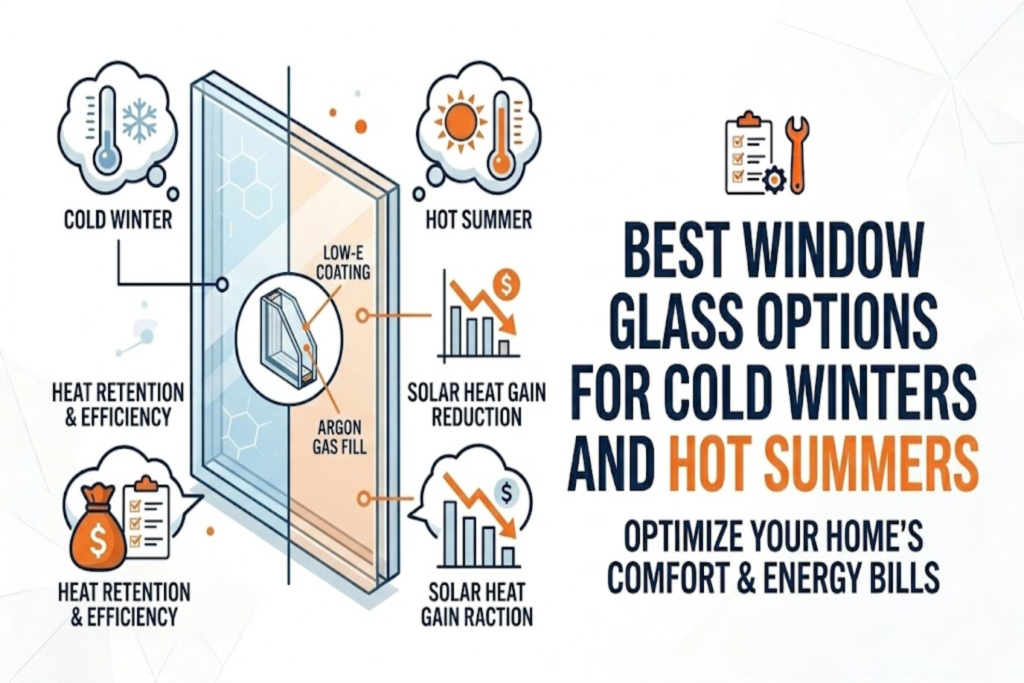
Modern Low-E coatings feature multi-layer sputtered designs that reflect infrared heat more precisely than earlier versions. These advanced coatings optimize solar heat gain coefficients for specific regional needs—high gain in northern areas for passive solar warming and low gain in southern zones for cooling dominance. Some incorporate dual or triple Low-E surfaces within triple-pane units for fine-tuned performance across seasons. Coatings now block over 99% of UV rays while preserving high visible light transmission for bright interiors. Durability improvements resist oxidation and maintain effectiveness longer. The result combines maximum energy savings with clear, undistorted views.
Vacuum-Insulated Glass Emergence
Vacuum-insulated glass (VIG) represents one of the most exciting breakthroughs in energy-efficient glass doors. By evacuating air between panes, VIG achieves wall-like R-values in much thinner profiles than traditional units. This technology allows retrofitting into existing frames or slim new designs without compromising views. Manufacturers integrate VIG with Low-E coatings for combined thermal and solar control benefits. The slim profile supports larger glass areas in minimalist frames. Condensation resistance stays exceptional due to the vacuum seal. Adoption grows as costs decrease and performance data proves reliability in real-world applications.
Smart and Dynamic Glass Integration
Smart glass technologies allow dynamic tinting or opacity changes to optimize light and heat entry automatically or on demand. Electrochromic and photochromic options adjust based on sunlight intensity or user preferences via apps or sensors. These systems reduce solar heat gain during peak hours while maximizing natural light when beneficial.
Integration with home automation platforms enables scheduling tied to occupancy or weather forecasts. Power consumption during transitions remains minimal, with no energy needed to maintain states. Smart glass enhances privacy without traditional coverings while boosting overall efficiency. The trend appeals to tech-savvy homeowners seeking seamless control.
Electrochromic and Photochromic Advances
- Electrochromic glass changes tint through low-voltage electrical signals for precise control over visible light and solar heat.
- Photochromic variants respond automatically to UV exposure without wiring.
- Both reduce glare and cooling loads significantly in sunny exposures.
- Manufacturers refine switching speeds and color neutrality for more natural transitions.
- These technologies pair well with triple-pane bases for hybrid high-performance units.
- Energy savings from reduced HVAC reliance often offset higher initial costs quickly.
- The convenience of app-based control adds modern appeal to energy-efficient doors.
Sustainable Materials and Frames
Fiberglass and composite frames dominate trends due to exceptional thermal resistance and minimal expansion/contraction. These materials maintain tight seals around high-performance glass year-round. Thermally broken aluminum offers slim profiles with improved insulation over traditional metal frames. Recycled content and low-VOC manufacturing align with eco-conscious preferences. Frames feature multi-chamber designs that enhance overall U-factor performance when paired with advanced glazing. Durability against weathering extends service life while supporting larger operable panels.
Homeowners achieve lower bills, better indoor air quality, reduced noise, and enhanced security through thoughtful upgrades. Professional guidance ensures selections match specific needs and local conditions perfectly. Investing in these trends future-proofs homes against rising energy costs and evolving codes. The result creates living spaces that feel luxurious, perform exceptionally, and contribute positively to sustainability for years ahead.
Fiberglass and Composite Dominance
Fiberglass resists moisture, insects, and warping far better than wood while insulating like natural materials. Composites blend polymers with fibers for lightweight strength and thermal breaks. Both accept realistic wood-grain finishes without ongoing maintenance. The stability preserves energy-efficient seals and hardware alignment over decades. Manufacturers offer extensive color options matching modern exteriors seamlessly. These frames maximize glass area without sacrificing performance or security.
Larger Panels and Minimalist Designs
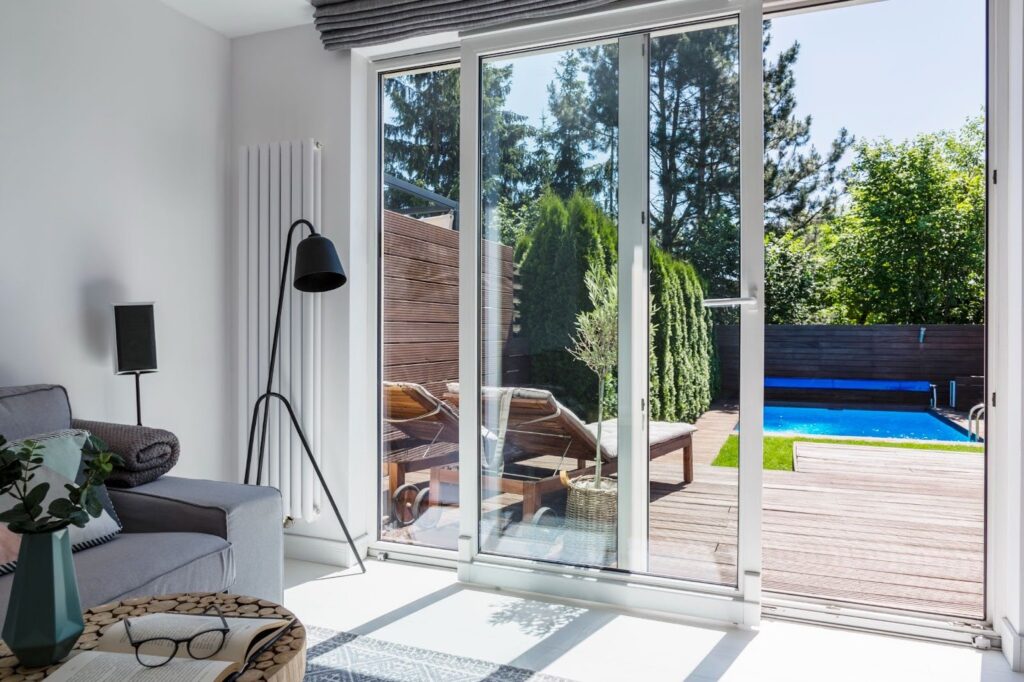
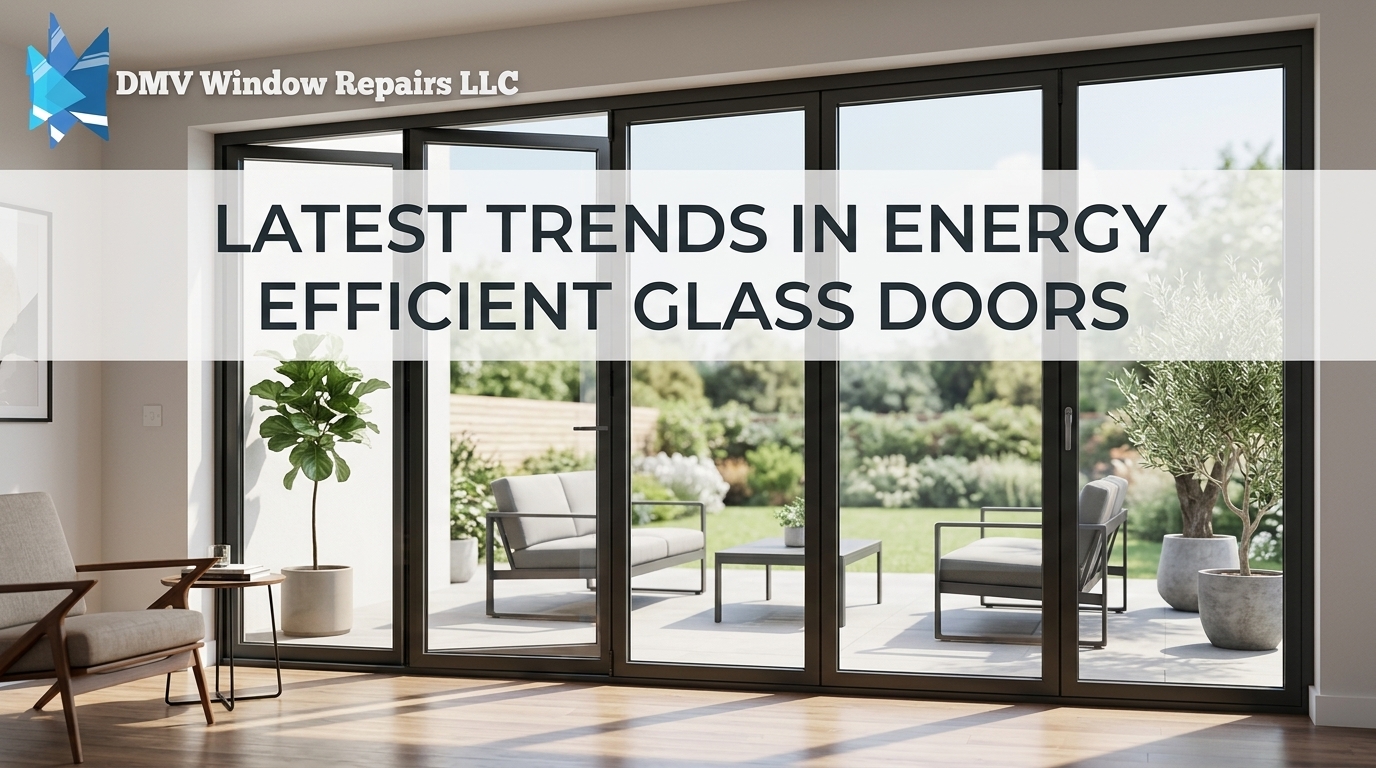
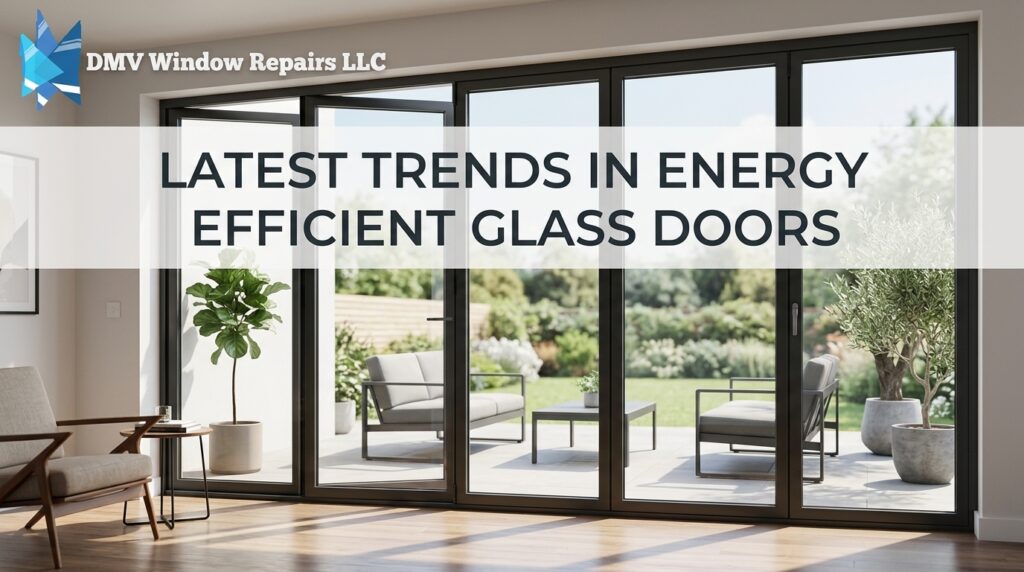
Oversized sliding, bi-fold, and multi-panel doors with ultra-slim frames continue gaining popularity for seamless indoor-outdoor connections. Narrow sightlines maximize glass-to-frame ratios while high-performance glazing maintains efficiency. Thermally broken systems prevent cold bridging in expansive openings. Reinforced hardware handles heavier panels smoothly and securely. These designs flood interiors with daylight, reducing artificial lighting needs. Energy-efficient glass ensures comfort despite larger exposed surfaces. The aesthetic emphasizes clean lines and unobstructed views.
Bi-Fold and Multi-Slide Innovations
Bi-fold doors stack panels compactly to open entire walls during good weather while sealing tightly when closed. Multi-slide systems offer flexible configurations for wide openings. Advanced tracks and rollers ensure effortless operation even with large heavy panels. High-performance glazing and seals maintain energy efficiency across expansive areas. These systems support net-zero aspirations through superior insulation and ventilation control. The trend blends dramatic design with practical performance.
Table of Key Energy Efficient Glass Door Trends
| Trend | Key Features | Energy Benefit (U-Factor/SHGC Improvement) | Best For | Cost Range Impact | Durability/Lifespan | Aesthetic Appeal | Rebate/Incentive Potential |
| Triple-Pane Glazing | Three glass layers, argon/krypton fills | Up to 50% better insulation than double | Cold/mixed climates | Higher upfront | 20–40 years | Clear views | High |
| Advanced Multi-Layer Low-E | Sputtered coatings, dual/triple surfaces | Superior heat reflection, UV block >99% | All climates | Moderate | 20+ years | Neutral appearance | High |
| Vacuum-Insulated Glass (VIG) | Evacuated space, thin profile | R-values up to 20 in single lite thickness | Retrofits, slim designs | Premium | Emerging data | Minimal thickness | Growing |
| Smart/Electrochromic Glass | Dynamic tinting, app/automation control | Reduces cooling load 20–40% | Sunny exposures, smart homes | High | 15–25 years | Modern tech | Moderate |
| Thermally Broken Frames | Fiberglass/composite with breaks | Minimizes conduction losses | Large panels | Moderate-Higher | 30+ years | Slim profiles | High |
| Warm-Edge Spacers | Low-conductivity materials | Reduces edge heat loss | Triple-pane units | Low add-on | Long-term | Invisible | Included in ratings |
| Net-Zero Compatible Designs | High-performance + airtight seals | Supports zero-energy homes | Sustainable builds | Higher | Extended | Expansive glass | Very High |
Energy Savings and Environmental Impact
High-performance glass doors cut heating and cooling demands substantially through better insulation and solar control. Triple-pane with advanced Low-E often reduces energy loss by 30–50% compared to older double-pane units. Vacuum glass pushes efficiency further in compact designs. These savings translate to lower utility bills and reduced carbon emissions over the product lifespan. Many qualify for ENERGY STAR certification and local incentives. The environmental benefit compounds as manufacturing incorporates recycled materials and lower-impact processes. Homeowners contribute to sustainability while enjoying enhanced comfort.
Woodbridge VA homeowners embrace these trends to combat variable seasonal weather with superior insulation and solar management.
Smart Home Compatibility and Future-Proofing
Integration with home automation allows energy-efficient glass doors to respond to weather data, occupancy, and schedules intelligently. Automated tinting or ventilation optimizes performance without manual intervention. Voice or app controls add convenience while maintaining efficiency. Future-proof designs accommodate upgrades like additional sensors or coating enhancements. Manufacturers focus on modular systems for evolving technology. This compatibility extends the useful life of installations significantly.
Woodbridge VA residents benefit from smart-compatible doors that adapt to mid-Atlantic climate fluctuations effectively.
Woodbridge VA sees growing adoption of high-performance glazing for year-round comfort and energy savings.
Woodbridge VA properties gain substantial value from these advanced energy-efficient door trends.
Conclusion
Latest trends in energy efficient glass doors blend cutting-edge glazing like triple-pane, advanced, vacuum-insulated units, and smart dynamic technologies with sustainable frames and expansive minimalist designs. These innovations deliver dramatic improvements in insulation, solar control, comfort, and environmental impact while preserving beautiful views and natural light.
Homeowners achieve lower bills, better indoor air quality, reduced noise, and enhanced security through thoughtful upgrades. Professional guidance ensures selections match specific needs and local conditions perfectly. Investing in these trends future-proofs homes against rising energy costs and evolving codes. The result creates living spaces that feel luxurious, perform exceptionally, and contribute positively to sustainability for years ahead.
Homeowners achieve lower bills, better indoor air quality, reduced noise, and enhanced security through thoughtful upgrades. Professional guidance ensures selections match specific needs and local conditions perfectly. Investing in these trends future-proofs homes against rising energy costs and evolving codes. The result creates living spaces that feel luxurious, perform exceptionally, and contribute positively to sustainability for years ahead.
Frequently Asked Questions
- What makes triple-pane glass the leading trend for 2026?
Triple-pane provides superior insulation with two gas-filled spaces that cut heat transfer dramatically. It excels in cold or variable climates while supporting large panels. Warm-edge spacers and advanced seals minimize edge losses further. Many manufacturers now offer it standard for ENERGY STAR compliance.
- How do next-generation Low-E coatings improve over older versions?
Multi-layer sputtered coatings fine-tune heat reflection and UV blocking more precisely. They achieve better SHGC control without reducing visible light excessively. Dual or triple surfaces in units enhance seasonal performance. Durability advancements maintain effectiveness longer.
- Is vacuum-insulated glass practical for patio doors yet?
Yes—VIG delivers high R-values in thin profiles ideal for retrofits or slim frames. It pairs with Low-E for combined benefits. Adoption grows as costs decline and real-world performance proves reliable. It suits minimalist designs without compromising views.
- Can smart glass really save significant energy in doors?
Dynamic tinting reduces solar heat gain during peak hours, easing cooling loads noticeably. Electrochromic options adjust automatically or via apps for optimal control. Savings compound with proper integration into home systems. The technology enhances both efficiency and convenience.
- Which frame materials best complement energy-efficient glass in 2025–2026?
Fiberglass and composites offer excellent thermal resistance with minimal expansion issues. Thermally broken aluminum provides slim profiles with improved breaks. These maintain tight seals around advanced glazing long-term. They support larger operable panels effectively.
- How do these trends support net-zero or sustainable home goals?
High-performance glazing, airtight seals, and smart controls minimize energy demand dramatically. Many qualify for incentives and align with stricter codes. Reduced operational carbon footprint combines with sustainable manufacturing. The upgrades contribute meaningfully to overall home efficiency.
- Are larger glass panels still energy efficient with current technology?
Yes—advanced glazing and thermal breaks offset increased surface area effectively. Triple-pane and Low-E maintain strong performance despite expansive views. Reinforced frames and seals prevent bridging. The trend balances openness with practical efficiency.
- What rebates or incentives apply to these energy-efficient door upgrades?
Many utilities offer rebates for ENERGY STAR-rated doors with qualifying glazing. Federal tax credits support high-performance installations in some cases. Local programs reward triple-pane or smart features. Check regional providers for current eligibility and amounts.
- How does smart glass provide privacy without traditional coverings?
Electrochromic or switchable glass tints from clear to opaque on demand via controls. This blocks views instantly while allowing light control. It eliminates curtains or blinds for cleaner aesthetics. Privacy and efficiency combine seamlessly in modern designs.
- Will these trends increase home resale value noticeably?
Definitely—buyers prioritize energy-efficient features for lower bills and comfort. High-performance doors signal quality construction and sustainability. Valid warranties and certifications add appeal. The upgrades often return substantial value upon sale.
Visit our DMV Window Repairs LLC blog to explore our residential and commercial glass services for customers in Woodbridge, VA.