
Weather seals on patio doors serve as the first line of defense against air infiltration, water intrusion, dust, insects, and extreme temperature transfer. Without effective seals, even the most energy-efficient glass and frame materials cannot perform optimally, leading to drafts, higher utility bills, condensation issues, and accelerated wear on other components. These seals compress against the frame or threshold when the door closes, creating an airtight barrier that maintains indoor comfort year-round. In modern homes where large glass expanses dominate, high-quality weather seals become even more critical for preserving energy efficiency and preventing moisture-related damage like mold or rot.
Proper seals also contribute to noise reduction by blocking external sounds effectively. Over time, seals degrade from UV exposure, temperature cycling, compression set, and physical abrasion, making regular inspection and timely replacement essential. Understanding their importance helps homeowners prioritize maintenance and choose superior materials during installation or repair. Residents in Woodbridge VA particularly value robust weather seals to combat humid summers and chilly winters that stress patio door performance constantly.
Core Functions of Patio Door Weather Seals
Weather seals perform multiple essential roles beyond basic weatherproofing in patio door systems. They minimize uncontrolled air exchange that forces HVAC systems to work harder continuously. Seals block liquid water entry during heavy rain or wind-driven storms effectively. They reduce condensation by maintaining consistent temperature gradients across the door assembly. Acoustic dampening occurs as seals interrupt sound wave transmission paths. Insect and pollen exclusion improves indoor air quality noticeably. These combined functions directly impact comfort, energy costs, structural longevity, and home value preservation.
Air Infiltration Prevention
Seals create a continuous compression barrier eliminating gaps around moving edges. Air leakage through poorly sealed doors ranks among top sources of residential energy loss. Effective seals maintain tight contact even after thousands of open-close cycles. Low air infiltration ratings per ASTM standards indicate superior performance. Reduced drafts eliminate cold spots near the door dramatically. This function alone justifies investing in premium seal materials.
Water and Moisture Resistance
High-performance seals divert rainwater rather than allowing penetration past thresholds. Compression-type seals press firmly against frames blocking wind-driven moisture. Bottom sweeps channel water outward preventing pooling at sills. Interior seals stop condensation migration into wall cavities. Proper sealing prevents costly water damage and mold growth long-term. Moisture control ranks as one of the most valuable seal benefits.
Types of Weather Seals Used on Patio Doors
Patio doors employ various seal designs tailored to specific locations and functions. Compression seals dominate vertical and head jambs due to reliable rebound properties. Adhesive-backed foam or rubber strips fill irregular gaps effectively. Brush-type sweeps handle bottom thresholds while allowing smooth sliding. Magnetic seals provide strong closure on certain swinging configurations. Hybrid systems combine multiple types for comprehensive protection. Material choice significantly affects durability and performance in different climates.
Compression Seals
EPDM rubber compression seals maintain flexibility across wide temperature ranges. These seals compress 25–50% when door closes creating tight barriers. Closed-cell foam alternatives offer good compression set resistance. Dual-fin designs enhance sealing against uneven surfaces. Compression seals excel at long-term air and water exclusion. Regular inspection prevents compression set failure over years.
Brush and Sweep Seals
Nylon or polypropylene brush sweeps clear debris while blocking light and air at thresholds. Fin sweeps provide additional water diversion capabilities. Adjustable sweeps compensate for minor settling or wear. Brush seals allow easier sliding compared to solid rubber options. These work particularly well on sliding patio doors. Cleaning prevents clogging that reduces effectiveness.
Materials Comparison for Patio Door Seals
- Seal material selection determines longevity, flexibility, UV resistance, and temperature performance.
- EPDM rubber leads in durability against weathering and compression set. Silicone remains supple in extreme cold without cracking.
- Vinyl offers affordability but degrades faster under UV exposure.
- Thermoplastic elastomer (TPE) combines rubber-like properties with easier manufacturing.
- Closed-cell neoprene provides excellent water resistance.
- Premium materials justify higher cost through extended service intervals.
EPDM vs Silicone vs Vinyl
EPDM withstands ozone, UV, and temperature extremes better than most alternatives. Silicone excels in flexibility at sub-zero temperatures maintaining seal integrity. Vinyl costs less upfront but hardens and cracks sooner outdoors. EPDM typically lasts 10–15 years with proper care. Silicone matches or exceeds EPDM in cold climates. Vinyl suits mild conditions or budget-conscious installations.
Advanced Seal Technologies
Co-extruded dual-durometer seals combine soft sealing lips with firm mounting bases. Weather-resistant coatings extend material lifespan noticeably. Integrated fin designs improve water shedding capabilities. Some manufacturers embed antimicrobial agents preventing mold growth. These innovations enhance performance beyond basic rubber or vinyl. Advanced seals often carry longer manufacturer warranties.
Signs That Weather Seals Need Replacement
Visual inspection reveals many seal problems before they cause major issues. Cracked, brittle, or crumbling material indicates UV degradation or age. Compressed sections that no longer rebound create visible gaps. Tears, missing pieces, or detachment from frames demand immediate attention. Increased drafts or whistling noises signal seal failure. Condensation patterns along edges or water stains confirm leaks. Addressing these signs promptly prevents escalation into costly repairs.
Visual and Tactile Indicators
Discoloration from sun exposure weakens material structure noticeably. Flattened profiles lose ability to fill gaps effectively. Peeling adhesive backing exposes frame to moisture. Mold or mildew growth on seals indicates chronic dampness. Physical checks—pressing seals—reveal lost resiliency quickly. Early visual cues allow preventive replacement before complete failure.
Performance Warning Signs
Higher energy bills without other explanations often trace to seal leaks. Difficulty closing door tightly suggests seal interference or loss of compression. Unusual noise during wind points to air escaping through gaps. Water entry after rain confirms seal inadequacy. These functional symptoms demand prompt seal evaluation and replacement.
Step-by-Step Guide to Replacing Patio Door Weather Seals
Replacing seals restores performance without full door replacement in many cases. Begin with thorough cleaning removing old adhesive residues completely. Measure each section precisely for accurate material sizing. Select compatible replacement seals matching original profile and material. Install carefully avoiding stretching or bunching. Test operation ensuring smooth closure and proper compression. Regular replacement maintains optimal efficiency affordably.
Preparation and Removal
Clean all seal channels with isopropyl alcohol eliminating contaminants. Score old seals along edges loosening adhesive bonds. Peel or pry seals away carefully preserving frame surfaces. Remove stubborn sections using heat gun cautiously. Vacuum debris preventing interference with new installation. Inspect channels for damage needing repair first. Proper preparation ensures strong adhesion and longevity.
Installation Techniques
Cut new seals to exact measured lengths using sharp utility knife. Peel backing from adhesive strips carefully. Press firmly into channels starting from one end avoiding air pockets. Use roller tool ensuring even contact and compression. Apply silicone caulk at corners for extra weatherproofing. Trim excess material flush creating clean appearance. Test closure multiple times confirming proper function.
Cost Analysis of Weather Seal Maintenance
Seal replacement remains one of the most cost-effective patio door improvements available. Basic materials stay affordable while delivering substantial performance gains. Professional service ensures proper installation on complex systems. Neglecting seals leads to higher energy costs and potential structural damage. Proactive maintenance extends overall door lifespan noticeably. Quality seals provide excellent return on modest investment.
| Seal Type / Location | Material Options | Average DIY Cost | Average Pro Cost | Expected Lifespan | Key Benefits |
| Compression Jamb & Head Seals | EPDM, Silicone, TPE | $20–$60 | $150–$350 | 8–15 years | Superior air & water exclusion |
| Bottom Threshold Sweep | Brush, Fin, Rubber | $15–$45 | $100–$250 | 5–10 years | Debris clearing + water diversion |
| Adhesive Foam Tape Seals | Closed-cell foam, Neoprene | $10–$40 | $80–$200 | 4–8 years | Easy DIY for irregular gaps |
| Magnetic Door Edge Seals | EPDM with magnetic strip | $25–$70 | $120–$300 | 7–12 years | Strong closure on swinging doors |
| Full Perimeter Seal Replacement | Mixed materials | $50–$150 | $300–$600 | 10–15+ years | Comprehensive restoration |
| Premium Co-extruded Seals | Dual-durometer EPDM/Silicone | $40–$100 | $200–$450 | 12–20 years | Enhanced durability & flexibility |
Additional Cost Considerations
Unexpected frame repairs or custom seal profiles increase totals noticeably. Premium materials cost more upfront but reduce replacement frequency. Labor rates vary by region and technician expertise. Emergency service for sudden leaks adds premiums. Bundling seal work with other maintenance often secures discounts. Budgeting extra covers variables comfortably.
Prevention and Maintenance Strategies
Monthly cleaning removes dirt preventing abrasion and premature wear. Annual visual inspection catches cracking or compression loss early. Apply UV protectant extending material life in sunny exposures. Lubricate adjacent rollers reducing strain on seals. Gentle door operation avoids unnecessary compression stress. These simple habits significantly prolong seal effectiveness.
Seasonal Maintenance Checklist
Spring cleaning clears pollen and debris from seals thoroughly. Summer UV protectant application preserves flexibility during peak sun. Fall adjustment ensures tight closure before winter. Winter checks confirm no ice buildup damages seals. Consistent seasonal care prevents most common failures proactively. Routine attention delivers major protection long-term.
Impact on Energy Efficiency
Effective seals reduce air leakage dramatically lowering heating and cooling demands. ENERGY STAR-rated doors rely heavily on superior sealing systems. Eliminating drafts creates more uniform indoor temperatures. Reduced HVAC runtime extends equipment life noticeably. Seal performance directly influences overall U-factor and air infiltration ratings. Investing in quality seals maximizes energy-saving potential.
Security and Comfort Benefits
Tight seals deter forced entry by eliminating pry points. Noise reduction improves indoor peace especially near streets. Insect exclusion maintains cleaner living environments. Better humidity control prevents mold and improves air quality. These secondary benefits enhance overall home livability significantly. Comprehensive sealing supports security and wellness simultaneously.
Conclusion
Weather seals matter profoundly on patio doors as they directly determine energy efficiency, moisture protection, noise control, and long-term durability. High-quality materials like EPDM and silicone combined with proper installation deliver reliable performance for many years. Regular inspection, cleaning, and timely replacement prevent small issues from becoming expensive problems.
Understanding seal functions and signs of failure empowers homeowners to maintain optimal door performance. Proactive care extends patio door lifespan while maximizing comfort and savings. In Woodbridge VA, robust weather seals prove essential for reliable protection against humid and variable seasonal conditions.
Frequently Asked Questions
How do I know when patio door weather seals need replacement?
Look for cracks, brittleness, flattening, or visible gaps around the door edges. Increased drafts, higher energy bills, or water intrusion after rain signal failure. Press seals—if they don’t rebound, compression set has occurred. Annual inspection catches issues before major problems develop.
What is the best material for patio door weather seals?
EPDM rubber offers excellent UV resistance, flexibility, and long-term compression recovery. Silicone performs best in extreme cold maintaining suppleness. TPE provides good balance of durability and cost-effectiveness. Choose based on local climate and exposure conditions.
Can I replace patio door seals myself as a DIY project?
Yes, most compression and sweep replacements work well for homeowners with basic tools. Clean channels thoroughly and measure accurately for proper fit. Adhesive-backed seals install easily without special equipment. Complex multi-piece systems may benefit from professional help.
How much does professional weather seal replacement typically cost?
Basic jamb and sweep replacement ranges from $150 to $400 including labor. Full perimeter restoration with premium materials costs $300 to $700 usually. Additional frame repairs increase totals noticeably. Multiple quotes help secure fair pricing.
Do better weather seals really improve energy efficiency noticeably?
Yes, reducing air infiltration by even small amounts lowers heating and cooling costs significantly. Tight seals eliminate drafts creating consistent indoor temperatures. ENERGY STAR doors depend on superior sealing for rated performance. Most homeowners notice comfort and bill improvements quickly.
How often should I inspect and clean patio door weather seals?
Visual checks every three months catch early wear effectively. Deep cleaning twice yearly removes dirt and pollen buildup. Apply protectant annually shielding from UV damage. Immediate attention to visible changes extends seal life dramatically.
Will new weather seals stop water leaks during heavy rain?
High-quality compression seals and proper sweeps block water intrusion when installed correctly. Bottom thresholds with positive drainage enhance protection further. Regular maintenance ensures seals maintain tight contact preventing leaks. Combining multiple seal types provides best water resistance.
Can old weather seals cause condensation problems on patio doors?
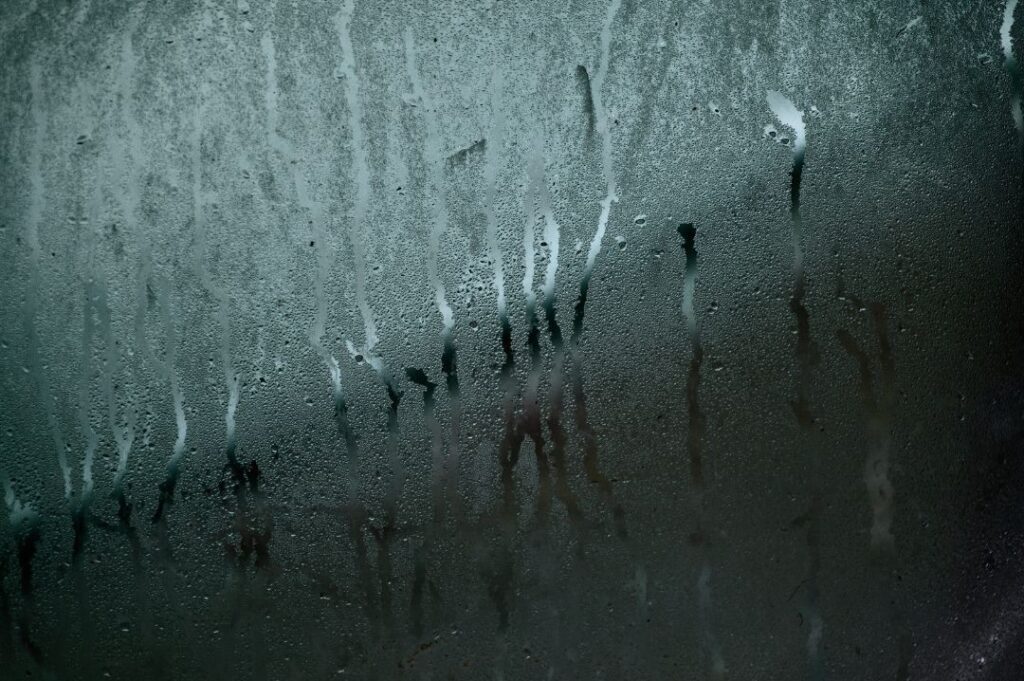
Yes, failed seals allow humid outdoor air to contact cold interior glass surfaces. This temperature difference promotes condensation and potential mold growth. Replacing seals and improving ventilation reduces interior moisture effectively. Addressing seals stops condensation at its source usually.
Are there temporary fixes for leaking patio door weather seals?
Apply silicone caulk to gaps as short-term weatherproofing measure. Use foam tape filling small areas until permanent replacement possible. Clean and adjust sweeps improving closure temporarily. These stopgaps buy time but full replacement delivers lasting solution.
How do weather seals affect patio door noise reduction?
Tight seals interrupt sound wave paths reducing external noise transmission noticeably. Compression and brush seals dampen vibrations effectively. Multi-layer designs enhance acoustic performance further. Quality seals contribute to quieter interiors especially near busy areas. In Woodbridge VA, effective seals help maintain peaceful indoor environments despite variable outdoor conditions.