
Understanding the cost breakdown for residential glass repair and replacement helps homeowners in the DMV area make informed, confident decisions when windows show signs of damage, inefficiency, or aging. Prices fluctuate based on damage severity, window dimensions, glass type, material upgrades, labor rates, accessibility challenges, and whether the job involves targeted repair or complete replacement. Simple fixes like crack sealing or single-pane swaps remain far more affordable than full-frame replacements with modern energy-efficient features. In climates with hot, humid summers and cold winters,
investing in upgrades such as low-E coatings or gas-filled units often delivers strong returns through reduced utility bills. Professional quotes provide the most accurate picture by factoring in local material costs, disposal fees, and any required permits. Budgeting realistically avoids financial surprises and ensures high-quality, lasting results. This detailed guide outlines typical pricing ranges, key cost drivers, and smart ways to maximize value. With clear knowledge of these factors, you can choose the most cost-effective path forward.
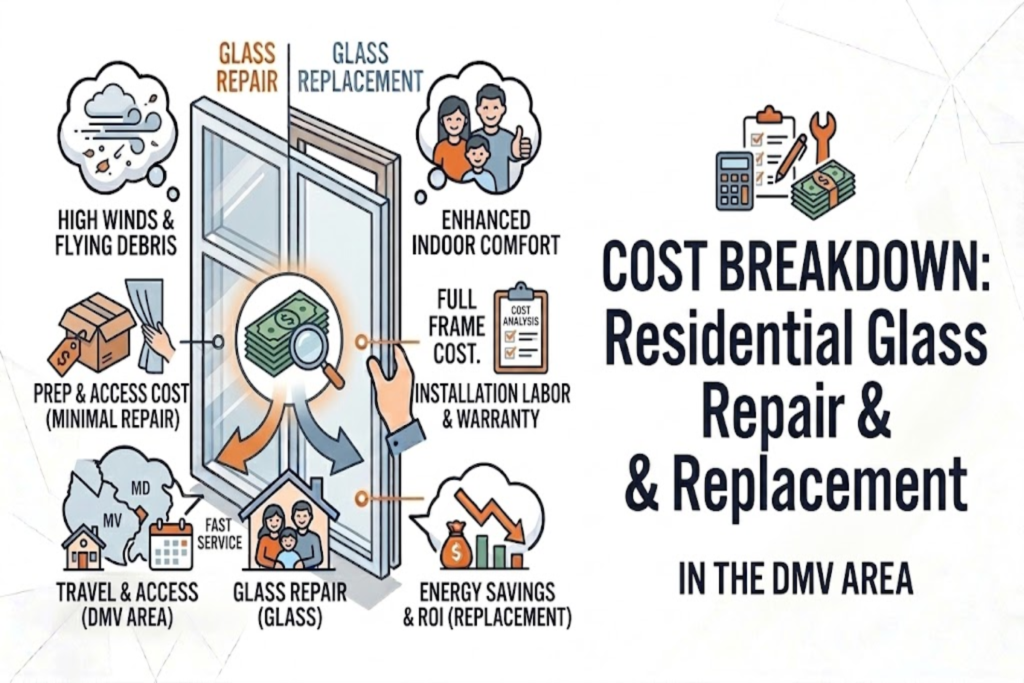
Factors Influencing Glass Repair and Replacement Costs
Numerous elements combine to determine the final price of residential glass work in the DMV region. Window size and shape directly affect material and labor needs—larger or custom-cut panes require more glass and precise fabrication. Glass complexity significantly impacts pricing: repairing or replacing single-pane units costs far less than handling double-pane insulated glass or triple-pane high-performance assemblies. Labor rates reflect technician skill level, regional demand, travel distance, and job complexity.
Accessibility challenges—such as upper-floor windows, tight interior spaces, or difficult exterior approaches—add time and equipment costs. Material upgrades including low-E coatings, argon/krypton gas fills, laminated security layers, or acoustic interlayers increase upfront expenses but provide long-term energy and comfort benefits. Disposal of old glass and frames, emergency surcharges, and any local permit fees contribute smaller but noticeable amounts. Understanding these variables allows homeowners to anticipate realistic totals.
How Window Age and Condition Affect Pricing
Newer windows with isolated damage often qualify for affordable repairs that preserve existing frames and hardware. Windows 15–25 years old frequently suffer widespread seal failure, frame deterioration, or efficiency loss, making full replacement more economical in the long run. Severely damaged or rotted frames almost always require complete unit replacement rather than glass-only fixes. Age-related wear increases labor time for safe removal and proper installation. Older single-pane conversions to modern double or triple-pane assemblies add material costs but deliver dramatic efficiency gains. Condition assessment by professionals determines whether repair saves money or replacement offers better overall value. Accurate evaluation prevents wasting funds on temporary fixes.
Average Costs for Common Glass Repairs
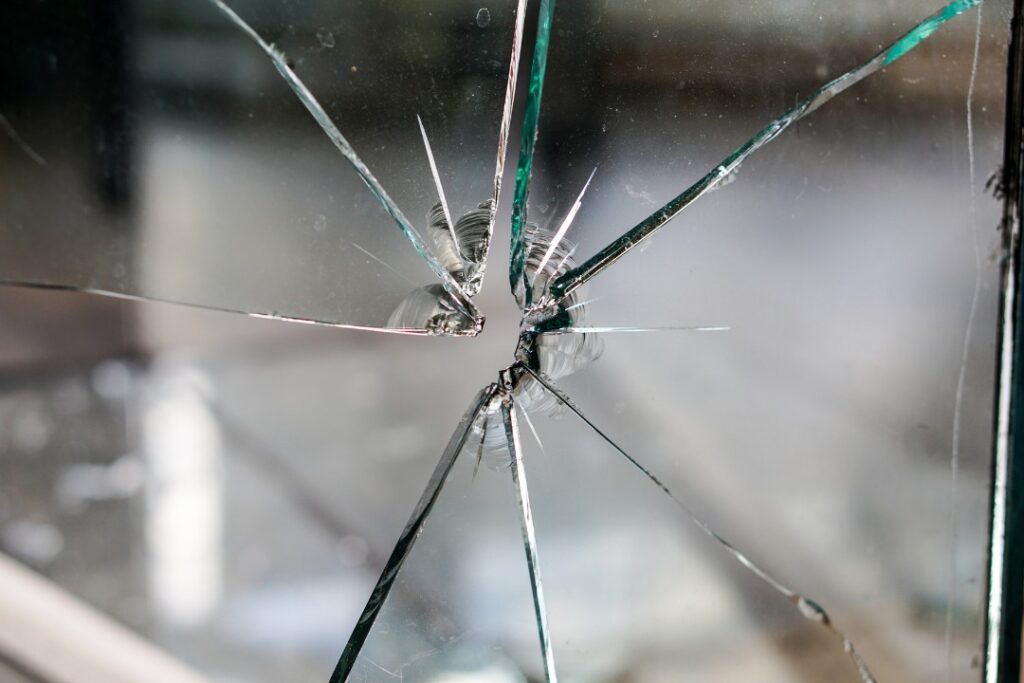
Basic crack and chip repairs using UV-cured resin injection typically range from $75 to $250 per window, depending on crack length, depth, and glass type. Replacing a single cracked or broken pane in a standard double-hung window averages $150 to $400, including new glass, glazing compounds, and labor. Foggy or condensing double-pane units often need insulated glass unit (IGU) resealing at $250 to $500, or full IGU replacement at $300 to $600 when seals cannot be restored. Weatherstripping replacement or perimeter caulking to stop drafts costs $100 to $300 per window. Minor sash adjustments, balance repairs, or hardware fixes generally fall between $75 and $250. These targeted repairs extend window life affordably while restoring safety, clarity, and basic efficiency. Professional execution ensures durable, warrantied outcomes.
Cost Breakdown for Foggy or Condensation Issues
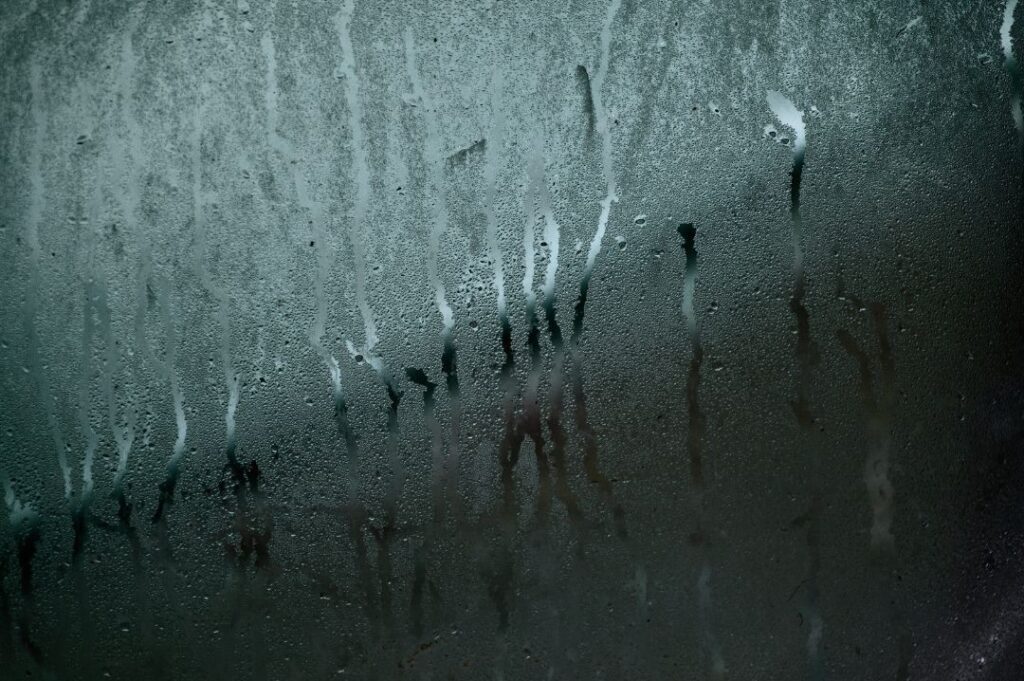
Persistent internal fogging signals failed edge seals in double-pane windows, requiring careful disassembly, moisture extraction, desiccant replacement, and high-quality resealing. This specialized repair averages $250 to $500 per window and restores original insulation performance in many cases. Adding argon or krypton gas refill during service increases costs by $50 to $150 but significantly improves thermal resistance. When seals prove irreparable or glass shows distortion, complete IGU replacement ranges from $300 to $600. Labor dominates pricing due to precision required to avoid further damage. Prompt attention prevents energy waste, mold risks, and higher utility bills. These solutions provide excellent value for maintaining double-pane performance.
Pricing for Full Window Glass Replacement
- Replacing only the glass while retaining the existing frame costs $200 to $600 per window, ideal when frames remain structurally sound and aesthetically acceptable.
- Full window replacement—including new frame, sash, glass, and installation—averages $500 to $1,500 per unit in the DMV area.
- Standard vinyl double-hung replacements often fall in the $500–$1,200 range, while premium wood, fiberglass, or clad options push prices toward $800 to $2,000+.
- Energy-efficient models featuring low-E coatings, argon fills, and improved U-factors add $200 to $600 but qualify for rebates.
- Large picture windows, bays, bows, or custom shapes frequently exceed $1,500–$3,000.
- Installation labor typically represents 30–50% of the total.
- Bulk projects across multiple windows reduce per-unit pricing noticeably.
Additional Fees and Hidden Costs to Anticipate
Emergency or after-hours service commonly adds $100 to $300 premiums for immediate response. Disposal fees for old glass, frames, and debris range from $50 to $150 per load, higher for multiple windows. Local permits, when required for exterior alterations, cost $50 to $200 depending on municipality. Travel surcharges apply for distant or hard-to-reach locations. Security laminates, sound-dampening interlayers, or impact-resistant glass add $100 to $500+ per window. Taxes, cleanup supplies, and any HOA review fees contribute smaller amounts. Reputable companies include most standard costs in written quotes. Requesting fully itemized estimates prevents unexpected charges.
Repair vs Replacement: Cost Comparison Overview
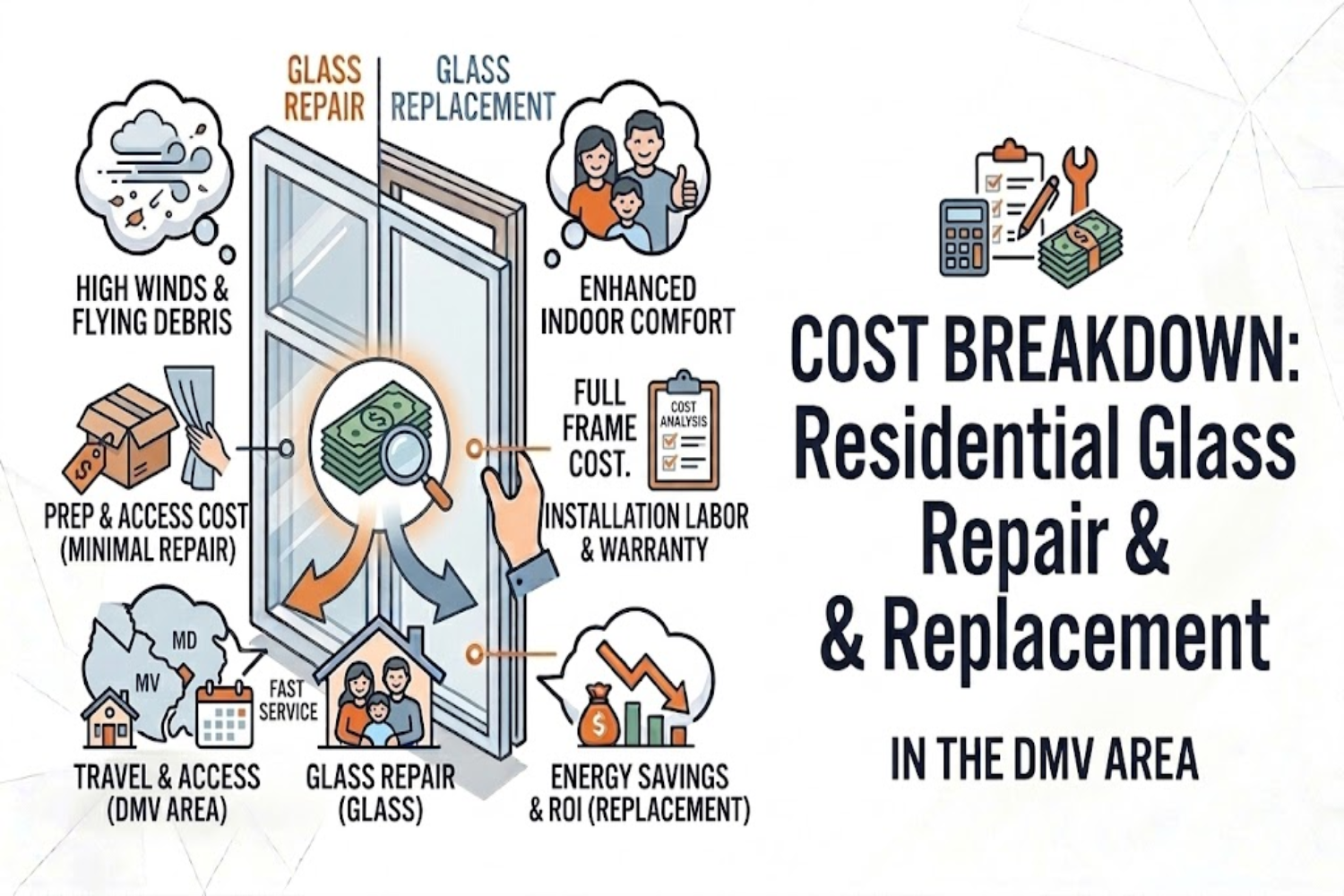
Repair addresses isolated damage affordably, averaging $100–$600 per window and saving 50–80% compared to replacement. It suits newer windows or sound frames needing targeted fixes. Full replacement costs $500–$2,000+ per unit but delivers superior energy performance, security, noise reduction, and longevity. Replacement proves more economical long-term for windows over 15–20 years old or showing widespread deterioration. Repair extends life 5–15 years; replacement provides 20–40+ years with strong warranties. Professional on-site evaluation determines the most cost-effective choice. Balancing immediate expense against future savings guides the smartest decision.
Energy Efficiency Upgrades and Their Cost Impact
Incorporating low-E coatings during repair or replacement adds $100–$400 per window but reduces heat gain/loss dramatically. Argon or krypton gas fills cost an extra $50–$150 while lowering U-factors noticeably. Triple-pane upgrades during full replacement increase totals by $300–$800 but offer exceptional insulation in extreme weather. These features often qualify for federal tax credits, utility rebates, or manufacturer incentives that offset added expense. Enhanced efficiency lowers monthly utility bills significantly. Investing in upgrades during service maximizes long-term financial returns.
Labor and Installation Cost Breakdown
Labor typically accounts for 30–60% of total project cost, ranging from $100 to $600 per window based on job complexity. Simple glass replacement or repair requires fewer hours and lower rates; full-frame replacement demands skilled installation time. Upper-level windows or difficult access add $50–$200 per unit for ladders, lifts, or safety equipment. Emergency labor premiums increase rates substantially. Experienced, certified technicians charge more but deliver precise, durable work with fewer callbacks. Bulk installations spread labor costs efficiently across multiple windows. Understanding labor weight clarifies overall pricing structure.
Material Cost Variations by Glass Type
Standard clear annealed glass for basic repairs costs $50–$150 per pane. Tempered safety glass ranges $100–$300 for added strength and safety compliance. Laminated security or acoustic glass averages $200–$600 depending on thickness and interlayer type. Insulated double-pane units cost $150–$400 base, with low-E or gas-filled versions $250–$600. Triple-pane high-performance glass exceeds $400–$800. Frame materials influence totals—vinyl remains most affordable, while wood, aluminum-clad, or fiberglass options raise prices. Material selection balances upfront cost with durability, efficiency, and aesthetics.
| Service Type | Average Cost Range (Per Window) | Key Components Included | Primary Cost Drivers | Ways to Lower Cost |
| Crack/Chip Resin Repair | $75 – $250 | Resin, UV curing, polishing | Crack size, glass type, technician time | Early detection, multiple windows discount |
| Single-Pane Glass Replacement | $150 – $400 | New pane, glazing, basic labor | Pane size, tempered/safety glass | Standard sizes, off-peak scheduling |
| Double-Pane Foggy IGU Repair | $250 – $500 | Disassembly, drying, resealing, gas | Seal condition, spacer replacement | Regular maintenance, prompt attention |
| Full Double-Pane IGU Replacement | $300 – $600 | New insulated unit, installation | Low-E/argon upgrades, accessibility | Bundle with other services |
| Full Window Replacement (Vinyl) | $500 – $1,200 | Frame, sash, glass, full installation | Energy features, size, labor hours | ENERGY STAR models, rebates/credits |
| Full Window Replacement (Wood/Clad) | $800 – $2,000+ | Premium frame, high-performance glass | Custom shapes, historic compliance | Financing, volume discounts |
| Laminated/Security Glass Upgrade | $300 – $800 extra | Impact-resistant layers, installation | Thickness, interlayer type | Insurance discounts for security upgrades |
| Emergency/After-Hours Service | +$100 – $300 premium | Immediate response, overtime rates | Time of day, urgency | Schedule routine service |
| Disposal & Cleanup Fees | $50 – $150 | Old glass/frame removal, site cleanup | Volume, access difficulty | Often included in quotes |
Tips for Getting Accurate and Competitive Quotes
Request detailed, written estimates from at least three licensed professionals to compare pricing apples-to-apples. Provide clear photos of each window, measurements, and specific concerns to receive precise quotes. Ask for itemized breakdowns including labor, materials, disposal, permits, and any upgrades. Inquire about seasonal promotions, financing plans, manufacturer rebates, or utility incentives for energy-efficient choices. Verify credentials, insurance coverage, warranties, and customer references before deciding. Transparent companies explain every cost willingly. Thorough comparison secures the best combination of price and quality.
Ways to Reduce Overall Project Expenses
Schedule service during slower seasons when demand decreases and companies offer discounts more readily. Bundle multiple windows or full-home projects to earn volume pricing reductions per unit. Choose standard sizes and basic energy features unless premium upgrades clearly justify added cost. Maintain windows proactively with regular inspections and minor fixes to catch problems early when repairs remain inexpensive. Explore federal tax credits, local utility rebates, or manufacturer incentives for qualifying efficient installations. These practical strategies meaningfully lower total project costs while preserving high-quality outcomes. Smart planning maximizes affordability without sacrificing performance.
Conclusion
Carefully planning your residential glass repair or replacement budget in the DMV area requires understanding realistic price ranges, major cost drivers, and the long-term value of different options. Minor repairs deliver quick, cost-effective fixes for isolated damage, while full replacements provide superior efficiency, durability, security, and property value enhancement—especially worthwhile for older or inefficient windows. Professional assessments and itemized quotes ensure transparency and help avoid hidden expenses. In Woodbridge VA, where seasonal temperature swings accelerate wear and tear, timely, well-budgeted investment protects comfort and finances effectively. Comparing repair versus replacement alongside potential energy savings and available incentives guides the most economical choice. Prioritizing quality materials and skilled installation guarantees results that justify every dollar spent.
Frequently Asked Questions
- What is the average cost to repair a cracked window in the DMV area?
Crack repairs using high-quality resin injection typically range from $75 to $250 per window depending on crack length, depth, and glass type. Larger or edge-spreading cracks often require full pane replacement at $150 to $400. Early intervention prevents further spreading and higher costs. Professional inspection provides the most accurate pricing.
- How much does it cost to fix foggy double-pane windows?
Repairing foggy insulated glass units averages $250 to $500 per window, covering disassembly, moisture removal, resealing, and optional gas refill. Complete IGU replacement costs $300 to $600 when restoration is not feasible. Addressing fogging quickly saves energy and prevents mold. These solutions restore clarity and insulation effectively.
- Is repairing glass always cheaper than full window replacement?
Yes, glass repair generally costs 50–80% less than replacement, averaging $100–$600 versus $500–$2,000+ per window. Repair suits newer windows or sound frames with isolated issues. Replacement becomes more economical for aging units or widespread problems. On-site evaluation determines the best financial path.
- What factors drive up the price of window glass replacement?
Larger dimensions, custom shapes, premium energy features (low-E, triple-pane, gas fills), difficult access, and upper-floor work increase costs noticeably. High-end frame materials and labor for precise installation add significant amounts. Emergency service or disposal fees contribute extra. Detailed quotes clarify all variables clearly.
- Are there extra fees beyond the quoted base price?
Common additional charges include disposal of old materials ($50–$150), emergency premiums ($100–$300), permits ($50–$200), and travel surcharges for remote sites. Security or acoustic upgrades add $100–$500 per window. Most reputable companies include cleanup and basic labor in estimates. Always request fully itemized quotes.
- How much do energy-efficient upgrades add to replacement costs?
Low-E coatings or argon/krypton fills typically add $100–$400 per window, while triple-pane upgrades increase totals by $300–$800. These features qualify for tax credits and rebates that offset expense. Long-term utility savings often recover added cost within a few years. Upgrades enhance comfort and value significantly.
- Does replacing multiple windows at once lower the per-window cost?
Yes, whole-house or multi-window projects usually reduce per-unit pricing through material volume discounts and labor efficiency. Savings commonly range from 10–25% compared to single-window jobs. Bundling spreads fixed costs like disposal and travel. Discuss bulk pricing during the quoting process.
- What is the typical cost difference between vinyl and wood window replacements?
Vinyl replacements average $500–$1,200 per window, offering excellent affordability, durability, and low maintenance. Wood or clad-wood options range from $800–$2,000+, providing premium aesthetics and insulation. Vinyl delivers strong value for most homes. Material choice balances budget, style, and performance needs.
- How much of the total cost comes from labor and installation?
Labor and installation generally represent 30–60% of the project total, ranging from $100–$600 per window depending on complexity and access. Full replacements require more skilled hours than simple glass swaps. Upper-level or challenging sites add premiums. Quality labor ensures safe, durable, long-lasting results.
- Can I receive tax credits or rebates for energy-efficient glass work?
Yes, qualifying ENERGY STAR-rated windows, low-E coatings, and gas-filled units often earn federal tax credits up to $600 or local utility rebates. Certain repairs may qualify partially if they improve efficiency significantly. Verify current programs and eligibility during planning. Incentives meaningfully reduce effective project costs.
Visit our DMV Window Repairs LLC blog to explore our residential and commercial glass services for customers in Woodbridge, VA.