

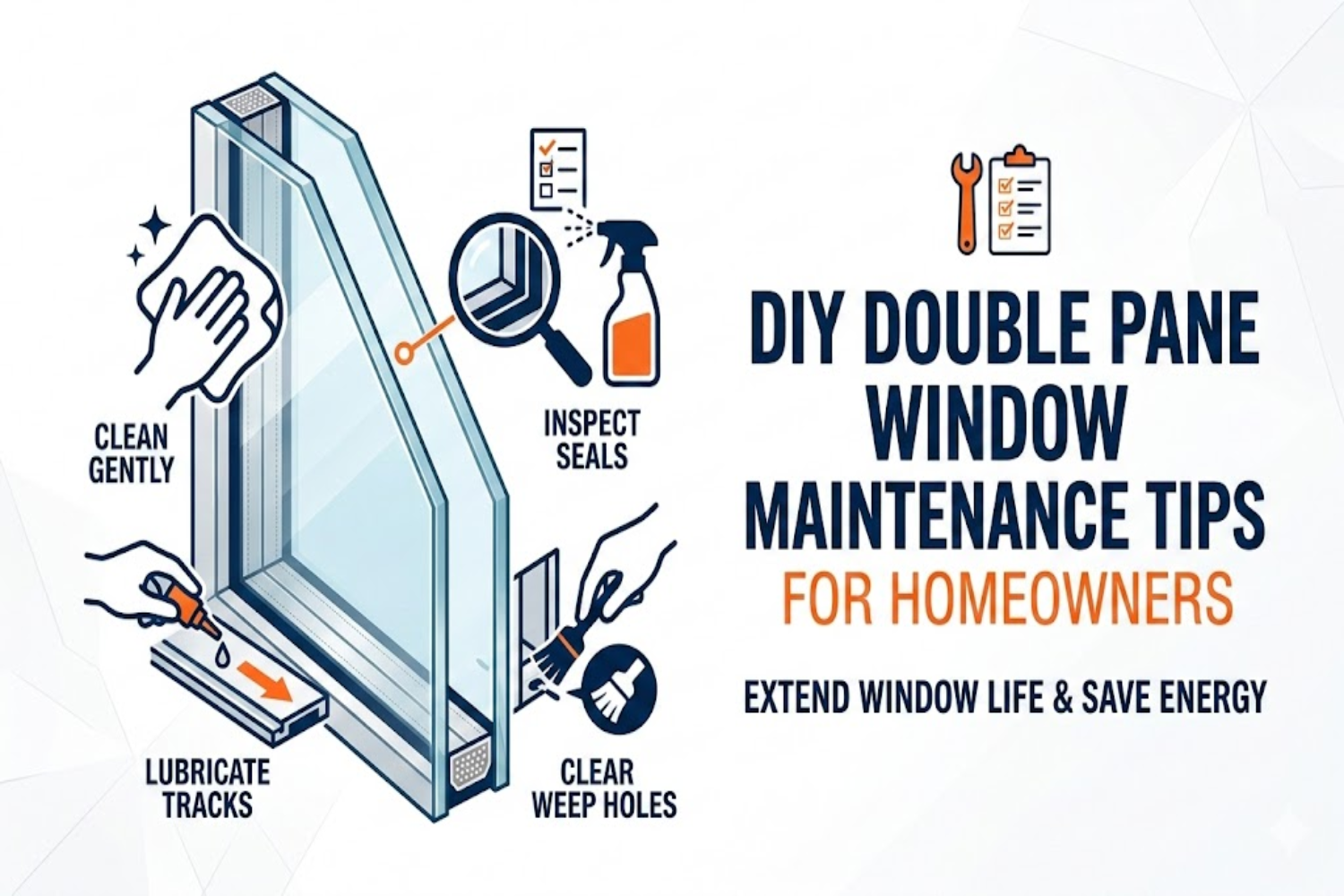
Double pane windows provide excellent insulation and energy savings when properly maintained, but they require regular attention to prevent common issues like fogging, drafts, seal failure, and reduced efficiency. Homeowners can handle most basic upkeep tasks themselves with minimal tools and safe methods, delaying or avoiding expensive professional repairs. Simple seasonal routines—cleaning glass and frames, inspecting seals, lubricating hardware, clearing drainage paths, and checking operation—keep windows performing at their best year-round.
In climates with cold winters, hot summers, and high humidity, consistent DIY care becomes especially valuable for preserving the airtight seal and gas fill that make double pane units effective. These preventive steps protect against moisture intrusion, thermal stress, and hardware wear that lead to premature failure. Performing maintenance twice a year (spring and fall) usually suffices for most homes. This comprehensive guide offers practical, step-by-step DIY tips that almost anyone can safely follow. When problems exceed basic care—such as persistent internal fogging or spreading cracks—professional service ensures long-term reliability.
Why Regular Maintenance Extends Double Pane Window Life
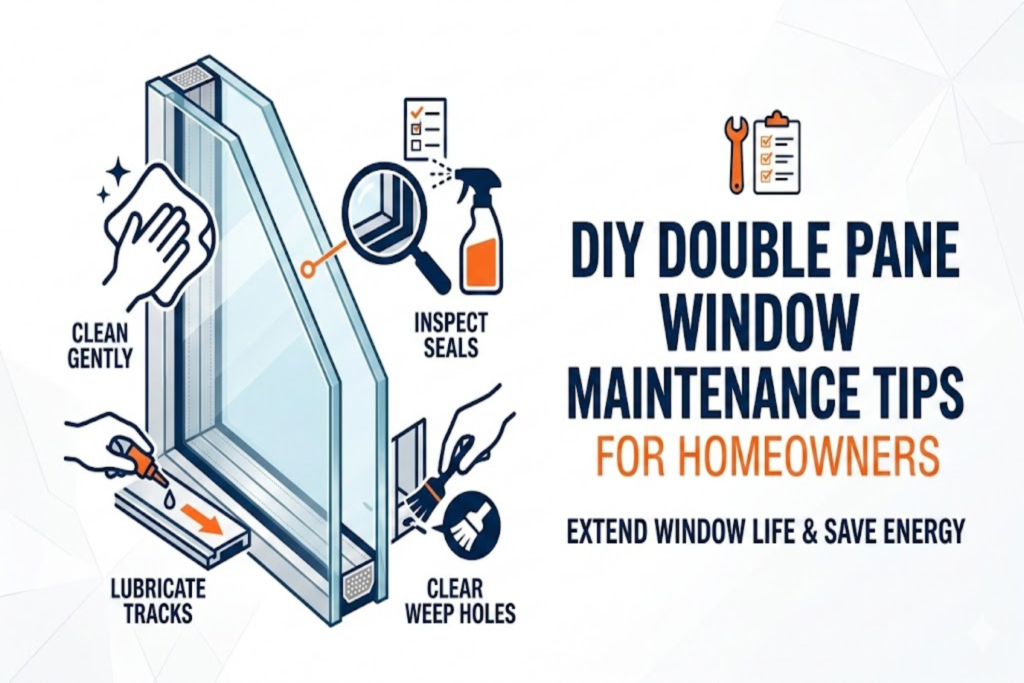
Double pane windows rely on a hermetically sealed insulated glass unit (IGU) to maintain their thermal performance and prevent moisture buildup between panes. Without proper care, everyday factors like temperature swings, humidity, pollen, dust, and minor impacts gradually degrade seals, hardware, and drainage systems. Regular DIY maintenance removes contaminants, restores smooth operation, and catches small issues before they escalate into full seal failure or costly IGU replacement. Homeowners who stay proactive often extend window life by 10–20 years while keeping energy bills lower and indoor comfort higher. Basic upkeep requires only inexpensive tools and a few hours per season. Consistent attention also makes professional inspections more effective when needed.
Benefits of DIY Care Before Professional Service
Performing routine maintenance yourself identifies problems early—such as deteriorating weatherstripping or clogged weep holes—allowing simple fixes that prevent larger damage. Clean, well-lubricated windows operate more smoothly, reducing stress on glass edges and seals. Clear drainage paths stop water backup that causes rot or mold. These small efforts save hundreds in repair costs annually. DIY care also prepares windows for professional service, making technicians’ work faster and more precise. Homeowners gain confidence and control over their home’s performance.
Safe Cleaning of Double Pane Glass Surfaces
Use only ammonia-free, pH-neutral cleaners or a 50/50 white vinegar and distilled water solution to avoid damaging low-E coatings or causing streaks on modern glass. Microfiber cloths or lint-free paper towels work best—never use abrasive pads, newspaper, or paper towels with texture that scratch surfaces. Clean both interior and exterior glass twice yearly (spring and fall) or more often near trees or roads. Spray cleaner directly on the cloth rather than the window to prevent overspray into frame edges. Work from top to bottom to avoid drips. Dry immediately with a separate dry microfiber to eliminate water spots. Proper cleaning preserves coatings and makes early fogging or damage easier to spot.
Protecting Low-E Coatings During Cleaning
Low-emissivity coatings are delicate metallic layers that can degrade with harsh chemicals or abrasive materials. Avoid all ammonia-based, alcohol-based, or acidic cleaners that etch the surface over time. Use only products labeled “safe for low-E” or simple vinegar solutions. Clean gently in circular motions rather than aggressive scrubbing. Rinse thoroughly if using soapy water to prevent residue buildup. Regular gentle cleaning maintains the coating’s heat-reflecting properties for decades. Damaged coatings reduce energy efficiency noticeably.
Inspecting and Testing Perimeter Seals
- Check all four edges and corners of each double pane unit twice a year for signs of seal failure—cracks, gaps, peeling, discoloration, or brittleness in the sealant.
- Use a flashlight at an angle to spot subtle haze or tiny bubbles near edges on cold mornings.
- Press gently along the seal with a gloved finger—soft, pliable material is healthy; hard, crumbling material needs attention.
- Perform a draft test on windy days: hold a lit incense stick or tissue near edges and watch for flickering or movement.
- Feel for cold air infiltration or listen for whistling sounds.
- Document findings with dated photos.
- Early seal issues sometimes allow professional resealing before full fogging occurs.
Simple Draft Detection Methods You Can Do Yourself
Light a candle or incense stick and slowly move it around the window perimeter on a windy day—flame flickering inward indicates air leaks. Alternatively, close a dollar bill or thin paper in the sash and try to pull it out; if it slides easily, seals are compromised. Place your hand near edges to feel temperature differences compared to interior walls. These quick, no-cost tests reveal leaks early. Address minor gaps with fresh caulk or weatherstripping yourself. Persistent leaks usually require professional evaluation.
Lubricating Tracks, Hinges, and Hardware
Dirt, pollen, and dried lubricant cause sticking sashes, difficult cranks, and noisy operation that stress glass edges over time. Vacuum tracks and hinges first with a brush attachment to remove debris. Clean remaining buildup with a damp cloth and mild soap, then dry thoroughly. Apply pure silicone spray (not WD-40, which attracts dirt) lightly to sash tracks, pivot bars, hinges, locks, and operator gears. Open and close the window several times to distribute lubricant evenly. Wipe away excess to prevent drips on glass or frames. For tilt-in sashes, lubricate balance mechanisms carefully. Smooth operation reduces wear on the entire window assembly.
Cleaning Window Tracks Without Damaging Glass
Use a vacuum with crevice tool and soft brush to remove loose dirt from tracks. For stubborn buildup, dip an old toothbrush in soapy water and scrub gently, avoiding contact with glass edges. Rinse with a damp cloth and dry immediately. Apply dry silicone lubricant or graphite powder afterward—never oil-based products that gum up over time. Clean tracks twice yearly or after heavy pollen seasons. Well-maintained tracks prevent binding that can crack glass or warp frames.
Clearing Weep Holes and Drainage Paths
Weep holes (small slots or tubes at the bottom of frames) allow water that enters the frame to drain outside—clogged weep holes cause water backup, rot, and mold. Inspect weep holes twice yearly and clear any dirt, insect nests, pollen, or paint buildup with a toothpick, small wire, or compressed air. Never enlarge or drill new holes—use only existing openings. Ensure exterior sill slopes downward slightly for proper runoff. After heavy rain, check that water exits freely. Clear drainage prevents interior moisture damage and protects seals from constant water exposure.
Preventing Water Intrusion Around Frames
Inspect exterior caulking annually for cracks, gaps, or shrinkage—cut away failed caulk and reapply high-quality exterior-grade silicone or polyurethane sealant. Clean joints before caulking for strong adhesion. Interior caulk along sills and jambs prevents drafts and hides minor gaps. Use paintable latex caulk indoors. Fresh caulking maintains weather-tightness and protects against moisture that accelerates seal failure.
| Maintenance Task | Recommended Frequency | Tools & Materials Needed | Time per Window (Approx.) | Key Benefit for Double Pane Windows |
| Clean interior & exterior glass | 2× per year | Ammonia-free cleaner, microfiber cloths | 5–10 minutes | Protects low-E coatings, early damage detection |
| Inspect & test perimeter seals | 2× per year | Flashlight, tissue/incense for draft test | 5 minutes | Catches seal failure before full fogging |
| Lubricate tracks, hinges & hardware | 1–2× per year | Silicone spray, dry cloth | 5 minutes | Prevents binding that stresses glass edges |
| Clean & clear weep holes/drainage | 2× per year | Toothpick, small wire, compressed air | 2–5 minutes | Prevents water backup & frame rot |
| Refresh exterior caulking | Annually | Caulk gun, utility knife, exterior sealant | 10–15 minutes | Blocks moisture intrusion into seals |
| Check & tighten hardware | 2× per year | Screwdriver, lubricant | 5 minutes | Ensures smooth operation, reduces stress |
| Clean & inspect removable screens | 1–2× per year | Mild soap, soft brush | 5–10 minutes | Improves airflow, prevents pollen tracking |
| Test sash operation & balances | 2× per year | None (visual & manual check) | 2–5 minutes | Prevents misalignment that damages seals |
| Apply UV-protective film (optional) | As needed | Window film kit, squeegee | 20–40 minutes | Reduces thermal stress & fading |
Advanced DIY Checks for High-Performance Double Pane Windows
Use a thermal imaging app or inexpensive infrared thermometer to spot cold spots near windows on winter days—significant differences indicate air leaks or seal issues. Test gas retention indirectly by monitoring for bowing or wavy reflections in extreme heat or cold. Document maintenance dates, observations, and photos in a home log or app for future reference. Consider adding magnetic insulating panels during winter for temporary efficiency boosts. These advanced checks bridge basic care and professional upgrades. They help you decide when expert help is truly needed.
When DIY Maintenance Is No Longer Enough
Persistent internal fogging (even in corners), visible water stains on sills, spreading cracks near edges, or sashes that bind despite lubrication signal problems beyond DIY scope. Repeated seal failure, frame rot, or hardware breakage usually requires specialized tools and expertise. Rising energy bills despite maintenance or visible structural damage also warrant professional evaluation. Schedule an inspection when multiple symptoms appear together. Early expert intervention prevents escalation into major replacements. Knowing your limits protects both safety and investment.
Conclusion:
Consistent DIY maintenance is the most effective way homeowners can protect double pane windows from the most common causes of failure—seal degradation, moisture intrusion, hardware wear, and drainage blockages. Simple seasonal tasks like gentle cleaning, seal inspections, hardware lubrication, weep hole clearing, and caulking refresh require minimal time and tools but deliver major benefits in energy savings, comfort, and window longevity. These preventive steps catch problems early when fixes remain affordable and straightforward. In Woodbridge VA, where humidity, pollen, freeze-thaw cycles, and temperature swings place constant stress on window seals and frames, regular DIY attention proves especially valuable. When issues exceed basic care—persistent internal fogging, spreading cracks, frame rot, or hardware failure—professional service ensures safe, lasting resolution. Make these maintenance habits part of your routine home care. Your double pane windows will reward you with clearer views, lower bills, and reliable performance for many years.
Frequently Asked Questions
- How often should I clean double pane windows to maintain their efficiency?
Clean interior and exterior glass at least twice yearly (spring and fall) to remove dirt, pollen, and hard-water spots that reduce light transmission and stress coatings. Homes near trees or roads may need quarterly cleaning. Use only ammonia-free solutions and microfiber cloths. Regular cleaning preserves low-E performance and makes early damage easier to spot.
- What is the safest cleaner for double pane windows with low-E coatings?
Use a 50/50 white vinegar and distilled water mix or pH-neutral cleaners labeled “safe for low-E.” Avoid all ammonia-based, alcohol-based, or acidic products that damage coatings over time. Spray cleaner on the cloth, not directly on glass, to prevent overspray into frames. Gentle circular motions prevent micro-scratches.
- Can I use WD-40 to lubricate double pane window tracks and hardware?
No—WD-40 attracts dust and becomes gummy, causing more problems over time. Use pure silicone spray lubricant or dry graphite powder instead. Apply lightly, operate the window several times, then wipe excess. This keeps parts moving smoothly without collecting grime.
- How do I perform a simple draft test on double pane windows?
On a windy day, hold a lit incense stick, candle flame, or lightweight tissue near window edges—flickering or movement indicates air leaks. Feel for cold air infiltration or listen for whistling. Close a dollar bill in the sash; if it pulls out easily, seals are compromised. These quick tests reveal problems early.
- Is it safe to clean low-E coated double pane glass with regular glass cleaner?
No—many regular cleaners contain ammonia or harsh chemicals that degrade low-E coatings over time. Stick to ammonia-free, pH-neutral solutions or vinegar-water mixes. Microfiber cloths prevent scratches. Proper cleaning maintains the coating’s heat-reflecting properties for decades.
- How do I keep weep holes clear in double pane window frames?
Inspect weep holes twice yearly and clear any dirt, insect nests, or paint buildup with a toothpick, small wire, or compressed air. Ensure they remain open for proper drainage. Blocked weep holes cause water backup and frame damage. This quick task prevents costly moisture problems.
- Should I remove double pane window screens every season for cleaning?
Yes—remove and clean screens at least once or twice yearly with mild soap and a soft brush. Rinse thoroughly, dry completely, and inspect for tears or bent frames. Cleaning improves airflow and prevents pollen/dust tracking indoors. Store screens flat during winter to extend their life.
- What should I do if I notice condensation between the panes of my double pane windows?
Internal condensation indicates seal failure—DIY fixes cannot repair this permanently. Document the issue with photos and contact professionals promptly. Delaying allows energy loss and potential mold growth. Early evaluation prevents bigger problems.
- How can I tell if my double pane windows still have insulating gas inside?
Visible fogging, significantly reduced energy performance, or bowed panes usually indicate major gas loss. Professionals use gas-analysis equipment or thermal imaging to confirm levels accurately. Homeowners cannot test gas levels themselves. If seals remain intact with no fogging, gas retention is generally assumed.
- When should I stop DIY maintenance and call a professional for double pane windows?
Call a pro when you see spreading cracks, persistent internal fogging between panes, water stains on sills, frame rot, or hardware that remains inoperable despite lubrication. Multiple failing seals or unexplained energy bill increases also warrant expert attention. Professional diagnosis prevents escalation and ensures safety.
Visit our DMV Window Repairs LLC blog to explore our residential and commercial glass services for customers in Woodbridge, VA.