
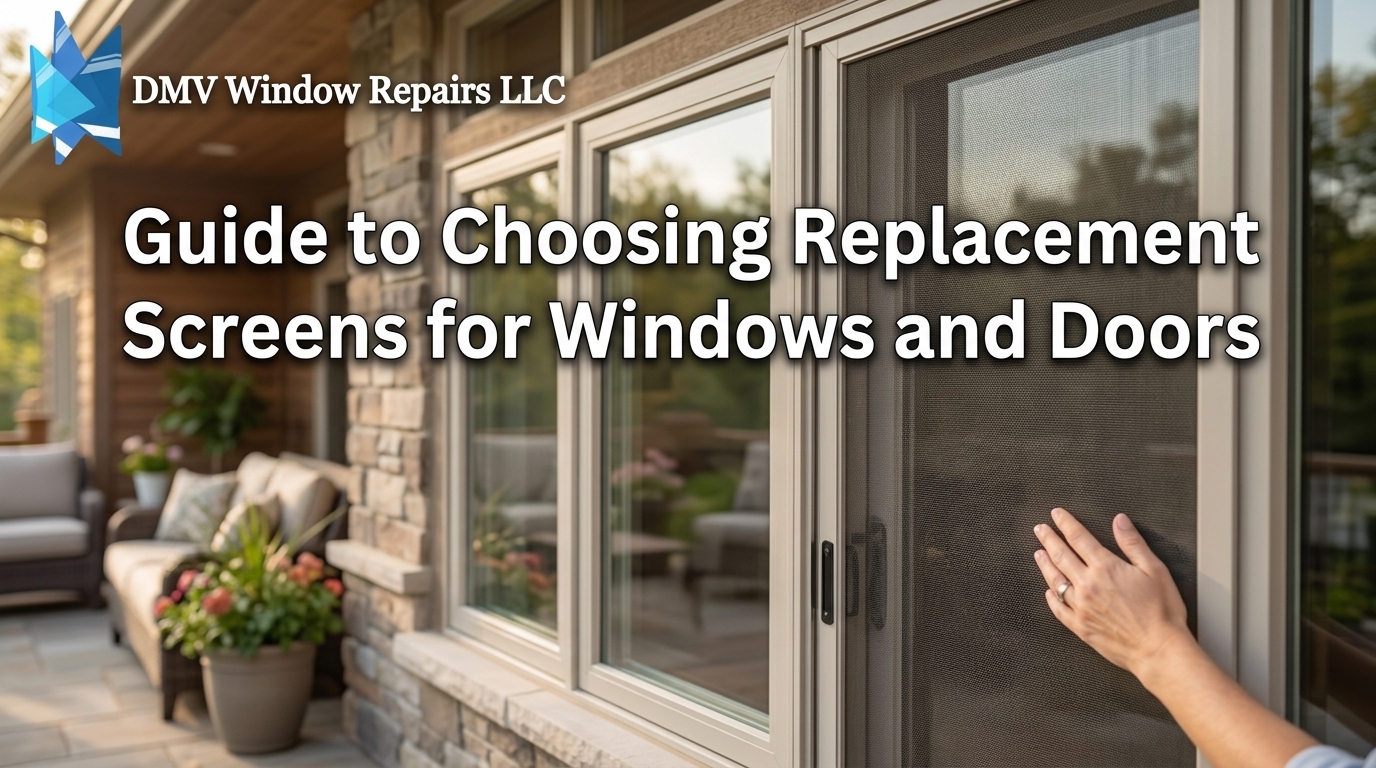
Choosing the right replacement screens for your windows and doors is one of the most practical home improvements you can make—it directly affects insect protection, natural airflow, indoor air quality, energy efficiency, pet safety, UV control, and overall comfort year-round. Damaged or outdated screens allow bugs indoors, restrict breezes, let in excessive pollen/dust, and force greater reliance on air conditioning—driving up bills and reducing livability.
Replacement lets you upgrade to modern materials with better tear resistance, finer weaves, pet-proof strength, solar heat rejection, or antimicrobial properties that standard old screens simply cannot match. The best choice depends on your climate, household (pets, allergies, kids), window/door exposure (sunny vs shaded, ground-floor vs upper), local pests, and budget priorities. Professional measurement and installation ensure perfect fit, maximum tension, and long-lasting performance—avoiding common DIY mistakes like loose mesh or warped frames.
High-quality replacement screens typically last 10–25+ years with minimal upkeep, delivering immediate comfort gains and strong ROI through energy savings and reduced pest issues. This comprehensive guide covers every key factor, material comparison, and decision step so you select screens that truly solve your specific needs.
Understanding Your Current Screen Problems First
Before buying replacements, identify exactly why your existing screens need upgrading—tears from pets/branches, sagging/loose mesh from age, corrosion on aluminum frames, poor fit causing edge gaps, excessive pollen/dust entry, restricted airflow, or UV-faded brittle mesh. Document all issues with photos and note which windows/doors are most affected (sun-exposed, pet-accessible, high-pollen sides).
Measure each screen accurately (width, height, frame type—wood/vinyl/aluminum, removable or fixed). Check for frame warping, corner separation, rust stains, or spline groove damage that might require frame replacement too. Understanding root causes prevents buying the wrong material or repeating past installation errors. Professional inspection (often free or low-cost) provides expert diagnosis and precise measurements.
Common Reasons Homeowners Replace Screens
Pet damage (clawing tears), storm impacts (wind-blown debris), UV degradation (brittleness/fading), corrosion in humid areas, allergy/pollen concerns (need finer mesh), energy savings (solar screens), or cosmetic upgrade (uniform new appearance). Multiple issues usually justify full replacement over piecemeal repairs.
Measuring Screens Correctly
Measure the metal frame outer dimensions (not the mesh itself)—width and height at three points each to account for any out-of-square warping. Note frame depth, spline groove style, and whether screens are half-height, full-height, or door-specific. Record orientation (interior/exterior removable) and any specialty needs (pet, solar, No-See-Um). Accurate measurements prevent costly re-orders.
Top Replacement Screen Materials Compared
- Standard fiberglass offers the best overall value for most homes—affordable, rust-proof, flexible, good airflow, and easy to install.
- Aluminum provides superior tear resistance and longevity for high-wind or impact-prone areas.
- Pet-resistant polyester withstands aggressive scratching from cats/dogs while maintaining tight weave.
- Copper/bronze delivers natural antimicrobial properties and exceptional corrosion resistance for coastal/humid regions.
- No-See-Um extra-fine mesh blocks tiniest insects and more pollen without major airflow loss. Solar/heat-control screens reduce summer heat gain by 65–95% while allowing filtered views.
- Each material suits different priorities—budget, pets, allergies, sun exposure, or durability.
Standard Fiberglass Mesh
Most common replacement choice—vinyl-coated fiberglass strands woven into flexible, durable mesh. Completely corrosion-resistant, excellent airflow, minimal view obstruction, and lowest cost. Handles moderate pet scratching better than many expect due to flexibility. Available in charcoal/silver-gray to blend with frames. Ideal for general-purpose use in average homes.
Heavy-Duty Aluminum Mesh
Thin metal wires woven tightly—offers 3–5× tear strength of fiberglass, resists denting from hail/branches, maintains shape for decades. Slightly reduced flexibility makes installation trickier but provides flatter, longer-lasting appearance. Good for high-wind areas or homes wanting maximum durability. Charcoal or bright aluminum finishes available.
Pet-Resistant Polyester Mesh
Thicker, tightly woven polyester strands coated for extreme tear resistance—specifically engineered to withstand repeated cat/dog clawing without holes. Maintains tension far longer under pet pressure. Darker colors hide pet hair better. Excellent airflow with strong insect blocking. Top choice for pet-owning households.
Copper and Bronze Specialty Mesh
Natural metals with built-in antimicrobial properties—resist mold/mildew/algae growth. Exceptional corrosion resistance in humid/coastal conditions. Develop attractive patina over time. Finer weaves block tiny insects effectively. Premium price but 30–50+ year lifespan makes them economical long-term for challenging environments.
No-See-Um and Extra-Fine Mesh
Tighter weave (up to 30% smaller openings) blocks no-see-ums, sand flies, tiny gnats, and more pollen/dust than standard mesh. Slightly reduced airflow but still excellent for most climates. Ideal for allergy sufferers or homes near water/beaches with biting midges. Maintains good visibility despite finer pattern.
Solar/Heat-Control Screens
Specially woven vinyl-coated polyester blocks 65–95% of solar heat gain before it reaches glass—lowers indoor temperatures 10–20°F on sunny days. Reduces glare on TVs/computers while allowing outward views. Darker colors maximize heat rejection; lighter shades preserve more light. External mounting common for best performance.
| Screen Material | Insect Protection Level | Durability (Years) | Pet Scratch Resistance | Airflow Quality | Solar Heat Rejection | Cost per Sq Ft (Approx) | Best For / Ideal Home Situation | Maintenance Needs | Visibility Impact | Corrosion Resistance |
| Standard Fiberglass | Good | 8–15 | Low-Medium | Excellent | Low | $0.30–$0.60 | Budget-friendly, general use, moderate climates | Low | Very High | Excellent |
| Aluminum | Very Good | 15–30 | Medium-High | Excellent | Low-Medium | $0.60–$1.20 | High-wind, impact-prone, long-term durability | Low | High | Good (coated) |
| Pet-Resistant Polyester | Very Good | 10–20 | Very High | Very Good | Low-Medium | $0.80–$1.80 | Homes with cats/dogs, active pets | Low | Medium-High | Excellent |
| Copper | Excellent | 30–50+ | High | Very Good | Medium | $3.00–$7.00 | Coastal/humid, antimicrobial needs, premium longevity | Very Low | Medium | Outstanding |
| Bronze | Excellent | 30–50+ | High | Very Good | Medium | $2.50–$6.00 | Historic/traditional homes, salt-air resistance | Very Low | Medium | Outstanding |
| No-See-Um (Extra-Fine) | Outstanding | 10–20 | Medium | Good | Low | $0.80–$1.50 | Tiny biting insects, high-allergy homes, beach/lake areas | Low | Slightly Reduced | Varies |
| Solar/Heat-Control | Very Good | 10–20 | Medium | Good | Very High (65–95%) | $1.00–$3.00 | Sunny exposures, energy savings, glare reduction | Medium | Reduced | Excellent |
| Fiberglass + Solar Coating | Good-Very Good | 10–18 | Low-Medium | Very Good | High | $0.80–$1.80 | Budget solar option, moderate sun exposure | Low-Medium | Medium | Excellent |
| Aluminum + Pet-Resistant | Very Good | 15–25 | High | Excellent | Low-Medium | $1.20–$2.50 | Pet owners wanting metal durability | Low | High | Good |
| Copper + Fine Weave | Outstanding | 35–60+ | High | Good-Very Good | Medium | $4.00–$9.00 | Premium coastal/allergy combination | Very Low | Medium | Outstanding |
Matching Screen Material to Your Home’s Specific Needs
Evaluate your biggest priorities—basic insect blocking on a budget favors standard fiberglass. Active pets require pet-resistant polyester or heavy aluminum. Coastal/humid areas demand copper/bronze corrosion resistance. Intense afternoon sun calls for solar screens on south/west exposures. Allergy sufferers benefit from No-See-Um or finer weaves. Mixed needs often lead to hybrid installations—fiberglass on most windows, pet-resistant on pet-accessible areas, solar on sun-exposed sides. Consider local pest types (tiny gnats vs large flies), pollen seasons, wind exposure, and energy goals. Professional consultation helps match materials precisely to your home’s orientation, window sizes, and lifestyle.
Woodbridge VA homeowners often choose pet-resistant and solar screen materials to handle active pets, seasonal pollen, and humid summers effectively.
Woodbridge VA residences benefit from durable aluminum or pet-resistant options that withstand variable weather and insect pressures.
Woodbridge VA properties achieve excellent airflow and comfort when screen materials match local humidity and sun exposure patterns.
Woodbridge VA continues to favor high-quality screen upgrades for improved ventilation and energy efficiency.
Professional Measurement and Installation Importance
Accurate measurement is critical—screens must fit precisely to avoid gaps that defeat the purpose of replacement. Professionals measure frame outer dimensions at multiple points to account for any warping/out-of-square conditions. They note frame depth, spline groove style, corner type, and whether screens are half/full height or door-specific. Proper installation includes thorough frame cleaning, precise tensioning, secure spline rolling, and final flush-fit verification. DIY measurement/installation errors cause loose fit, reduced tension, premature sagging, and ongoing bug entry. Professional work ensures maximum performance, longevity, and appearance from day one.
Long-Term Value and ROI of Quality Replacement Screens
High-quality replacement screens typically last 10–25+ years with seasonal maintenance—far outlasting cheap materials that fail in 3–7 years. Energy savings from better ventilation and solar screens reduce cooling costs noticeably in summer. Reduced pest entry eliminates recurring extermination expenses ($200–$800+ per infestation). Lower allergen infiltration cuts medication and doctor visits for allergy sufferers. Enhanced curb appeal and uniform appearance boost resale value. The upfront investment in durable materials and professional installation pays back many times over through comfort, health, energy savings, and avoided future repairs.
Conclusion
Choosing replacement screens for windows and doors is a smart, high-impact home upgrade that solves multiple problems at once—better insect protection, stronger natural ventilation, reduced allergens, lower energy bills, pet safety, UV control, and improved curb appeal. Standard fiberglass delivers unbeatable value for general use, aluminum provides superior durability, pet-resistant polyester withstands scratching reliably, copper/bronze excels in harsh environments, and solar screens cut summer heat dramatically.
The best material matches your specific needs—climate, household (pets/allergies), window exposure, and budget priorities. Accurate professional measurement and installation maximize performance and longevity while avoiding common DIY pitfalls. Quality replacement screens become long-term assets that enhance daily comfort, health, and home efficiency for decades. Thoughtful selection and expert installation turn a simple fix into one of the most rewarding home improvements you can make.
Frequently Asked Questions
- Which screen material gives the best overall value for most homes?
Standard fiberglass offers the best balance of low cost, good airflow, solid insect protection, and easy installation for typical households. It resists corrosion completely and handles moderate pet activity adequately. Most homeowners find it delivers reliable performance at the lowest price per square foot.
- Is pet-resistant screen material really worth the extra cost?
Yes—if you have cats, dogs, or pets that regularly claw/paw at screens. Thicker, stronger weave withstands scratching far better and maintains tension longer. Reduced repair frequency and pest entry make it cost-effective long-term for pet-owning families.
- When should I choose aluminum mesh over fiberglass?
Choose aluminum when you need maximum tear resistance, longevity, or impact protection from wind, branches, or hail. Aluminum maintains shape better in extreme weather and resists denting. It suits homes in high-wind areas or those wanting screens to last 20–30+ years.
- Are copper or bronze screens practical for everyday homes?
Copper/bronze excel in coastal, high-humidity, or historic properties where corrosion resistance and antimicrobial properties matter most. Their premium cost makes them less practical for standard inland homes. Most everyday situations favor fiberglass or aluminum for better value.
- How much difference do solar screens make in summer comfort?
Solar screens block 65–95% of solar heat gain before it reaches glass—often reducing indoor temperatures by 10–20°F on sunny days. They cut cooling costs noticeably while still allowing filtered views and airflow. Best for south- and west-facing windows with intense afternoon sun.
- Does finer No-See-Um mesh reduce airflow significantly?
No-See-Um mesh reduces airflow only slightly compared to standard screens while blocking much smaller insects and more pollen/dust. The difference feels minimal in normal use but provides superior protection near lakes, beaches, or during high-allergen seasons.
- How long do different screen materials typically last?
Fiberglass: 8–15 years; Aluminum: 15–30 years; Pet-resistant polyester: 10–20 years; Copper/Bronze: 30–50+ years; Solar screens: 10–20 years. Lifespan varies with exposure, maintenance, and installation quality. Professional installation extends durability significantly.
- Can I mix different screen materials on the same house?
Yes—many homeowners use standard fiberglass on most windows while installing pet-resistant on pet-accessible areas and solar on sun-exposed sides. Mixing allows optimization for specific needs without unnecessary expense on premium materials everywhere.
- Which material is easiest to clean and maintain long-term?
Fiberglass and pet-resistant polyester clean easily with mild soap and water—dirt rinses off without special care. Aluminum resists dust attraction when coated properly. Copper/bronze develop patina but require minimal cleaning. All benefit from gentle annual washing.
- How do I decide which screen material is truly best for my home?
Evaluate your priorities: budget and basic protection favor fiberglass; pets need pet-resistant; coastal/humid areas benefit from copper/bronze; intense sun calls for solar screens. Consider window placement, local pests, allergies, and energy goals. Professional consultation helps match materials precisely to your specific conditions and needs.
Visit our DMV Window Repairs LLC blog to explore our residential and commercial glass services for customers in Woodbridge, VA.