
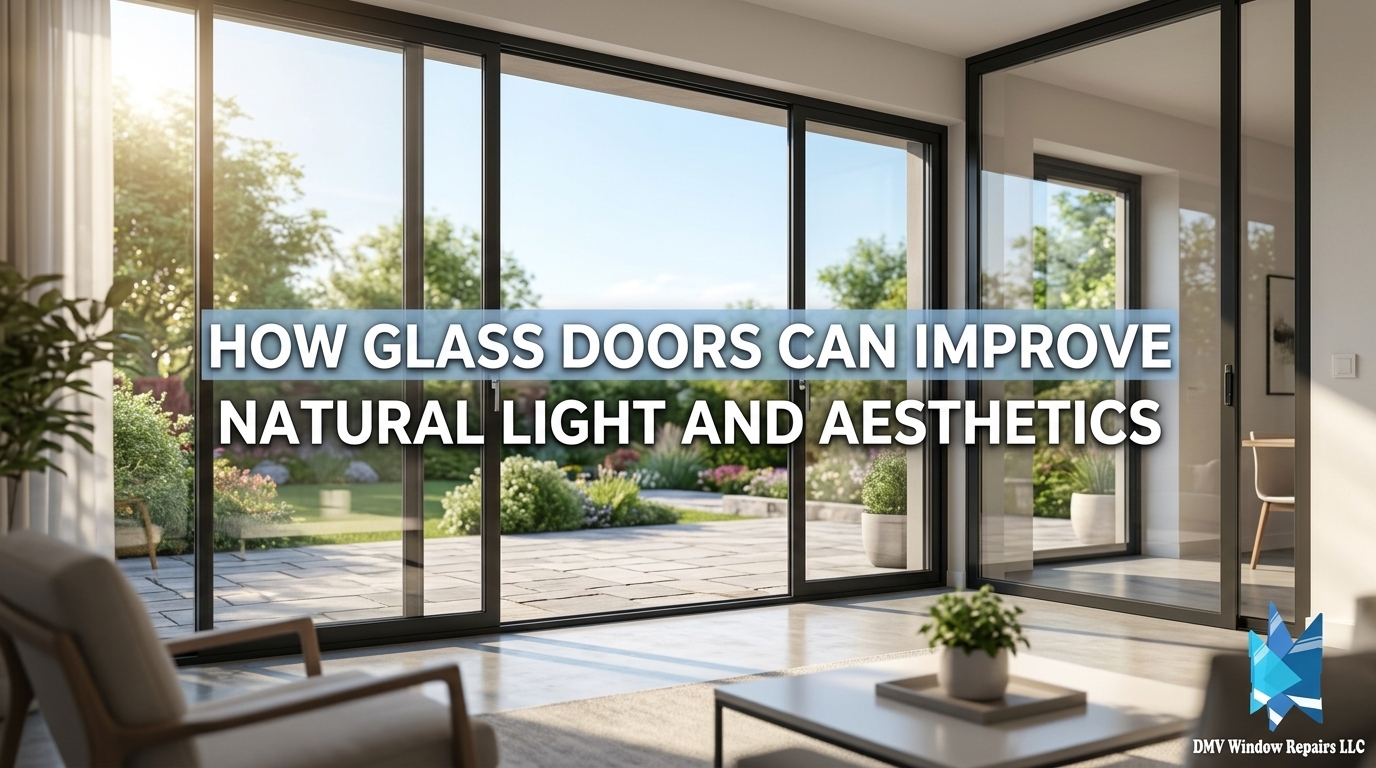
Glass doors dramatically transform any home by flooding interior spaces with abundant natural daylight that instantly makes rooms feel larger, brighter, and more inviting. Large glass panels in sliding, French, bi-fold, or fixed configurations create seamless visual connections between indoors and outdoors, blurring boundaries and enhancing the sense of openness. Strategically placed glass doors capture and distribute sunlight throughout the day, reducing reliance on artificial lighting and creating dynamic light patterns that shift with seasons and time.
Beyond illumination, these doors serve as stunning architectural features that elevate curb appeal and interior design with clean lines, reflective surfaces, and expansive views. Modern glass doors incorporate slim frames, minimal sightlines, and high-performance glazing that maintain energy efficiency without compromising beauty. Homeowners often report improved mood, better productivity, and a stronger connection to nature simply from increased daylight exposure. Proper selection of door style, size, placement, and glass type maximizes these benefits while complementing existing architecture.
Ultimately, glass doors become both functional light sources and elegant design statements that redefine living spaces. Abundant natural light regulates circadian rhythms, improves sleep quality, and boosts vitamin D production naturally. Brighter interiors reduce eye strain during work or reading activities. Dynamic daylight patterns create visual interest that enhances emotional well-being. Studies link increased daylight exposure to lower stress levels and better focus. Glass doors make these benefits accessible daily without stepping outside. The psychological uplift proves one of the most appreciated advantages.
Maximizing Daylight Through Strategic Placement
Positioning glass doors on south-facing walls captures the most consistent sunlight throughout the day in most climates. East-facing doors welcome gentle morning light that energizes kitchens and breakfast areas without harsh afternoon glare. West-facing installations bring warm afternoon and evening illumination ideal for living rooms and dining spaces. North-facing doors provide soft, diffused light perfect for art studios or reading nooks where direct sun could cause fading. Corner placements with adjacent glass panels create wraparound daylight that eliminates dark corners entirely. Oversized multi-slide or bi-fold doors open entire walls, turning patios into extensions of indoor rooms bathed in natural light. Careful orientation prevents overheating in summer while maximizing winter solar gain for passive heating.
Abundant natural light regulates circadian rhythms, improves sleep quality, and boosts vitamin D production naturally. Brighter interiors reduce eye strain during work or reading activities. Dynamic daylight patterns create visual interest that enhances emotional well-being. Studies link increased daylight exposure to lower stress levels and better focus. Glass doors make these benefits accessible daily without stepping outside. The psychological uplift proves one of the most appreciated advantages.
Choosing Door Styles for Optimal Light Flow
Sliding doors offer wide uninterrupted glass areas with slim vertical frames that maximize sightlines and daylight penetration. French doors with multiple glass panels provide symmetrical elegance and excellent ventilation alongside abundant light. Bi-fold systems fold completely aside to create massive openings that flood spaces with sunshine during pleasant weather. Pivot doors with large single glass panes deliver modern minimalist aesthetics and focused light entry. Fixed picture windows paired with operable doors combine maximum glass surface with practical access. Each style influences how light enters, scatters, and reflects within rooms differently.
Frame Materials That Enhance Visual Appeal
Slim-profile thermally broken aluminum frames minimize visual obstruction while providing strength and contemporary looks. Fiberglass frames mimic wood grain beautifully without maintenance, allowing larger glass areas for more light. Vinyl remains cost-effective with clean lines that blend seamlessly in traditional homes. Wood frames deliver timeless warmth and organic texture that complements natural surroundings. Powder-coated or anodized finishes resist fading and coordinate perfectly with exterior colors. Frame choice directly impacts perceived openness and overall aesthetic harmony.
Glass Types That Boost Light While Controlling Heat
Clear double-pane or triple-pane glass transmits maximum visible light for the brightest interiors possible. Low-E coatings allow generous daylight while reflecting excess solar heat to prevent overheating. High visible transmittance (VT) ratings above 0.70 preserve brightness even with energy-efficient layers. Tinted or reflective options reduce glare in intense sun exposures without darkening rooms excessively. Laminated glass maintains clarity while adding safety and acoustic benefits. Advanced coatings now achieve neutral appearance with minimal color shift for true-to-life views. The right glass balances abundant natural light with year-round comfort.
Abundant natural light regulates circadian rhythms, improves sleep quality, and boosts vitamin D production naturally. Brighter interiors reduce eye strain during work or reading activities. Dynamic daylight patterns create visual interest that enhances emotional well-being. Studies link increased daylight exposure to lower stress levels and better focus. Glass doors make these benefits accessible daily without stepping outside. The psychological uplift proves one of the most appreciated advantages.
Impact of Low-E Coatings on Daylight Quality
- Modern Low-E coatings transmit 70–80% of visible light while rejecting infrared heat effectively.
- They preserve the natural color and warmth of sunlight entering rooms.
- Multiple coating layers fine-tune performance without noticeable tinting or haze.
- UV blocking exceeds 99% to protect furnishings without dimming interiors.
- These coatings make large glass doors practical in various orientations.
- Daylight feels bright and inviting rather than harsh or washed-out.
Using Frosted or Patterned Glass Creatively
Frosted or etched glass diffuses direct sunlight beautifully in bathrooms or entryways needing privacy. Patterned textures add artistic interest while maintaining high light transmission. Partial frosting on lower panels combines views with discretion. These options soften harsh light and create gentle ambiance in sensitive spaces. Decorative glass turns functional doors into design focal points.
Enhancing Interior Design with Glass Doors
Glass doors act as large-scale windows that frame outdoor views like living artwork. They reflect interior lighting at night, making spaces feel larger and more layered. Reflective properties bounce light deeper into adjacent rooms and hallways. Neutral frames keep focus on the glass and scenery beyond. Coordinating hardware finishes tie doors seamlessly into overall decor schemes. These elements create sophisticated, airy atmospheres that feel luxurious and timeless.
Abundant natural light regulates circadian rhythms, improves sleep quality, and boosts vitamin D production naturally. Brighter interiors reduce eye strain during work or reading activities. Dynamic daylight patterns create visual interest that enhances emotional well-being. Studies link increased daylight exposure to lower stress levels and better focus. Glass doors make these benefits accessible daily without stepping outside. The psychological uplift proves one of the most appreciated advantages.
Creating Seamless Indoor-Outdoor Transitions
Bi-fold and multi-slide doors disappear into pockets or stack neatly to open entire walls. This merges living areas with patios, gardens, or pools visually and physically. Abundant daylight and fresh air flow freely when open. Closed, high-performance seals maintain climate control and views. The connection enhances entertaining, relaxation, and family time dramatically.
Boosting Perceived Space and Airiness
Large glass expanses eliminate visual barriers that make rooms feel confined. Reflections and borrowed light from adjacent spaces amplify brightness. High ceilings paired with tall doors emphasize vertical dimension. Light-colored interiors reflect more daylight for even greater openness. These effects make modest square footage feel expansive and welcoming.
| Door Style | Light Transmission Potential | Aesthetic Strengths | Frame Visibility Impact | Best Interior Design Match | Privacy Control Options | Ventilation Benefit | Energy Efficiency Compatibility |
| Sliding Patio Doors | Very High | Clean horizontal lines, modern simplicity | Medium (slim frames) | Contemporary, minimalist | Blinds between glass | Moderate | Excellent with Low-E |
| French Doors | High | Classic symmetry, elegant proportions | Medium-High | Traditional, transitional | Integrated shades | Excellent | Very Good |
| Bi-Fold Doors | Exceptional | Dramatic wide openings, seamless flow | Low (narrow stiles) | Modern, open-concept | Retractable screens | Outstanding | Good with thermal breaks |
| Pivot Doors | High | Bold single-panel statement, architectural | Low | Ultra-modern, luxury | Frosted lower panels | Good | Excellent |
| Multi-Slide / Lift-Slide | Exceptional | Expansive glass walls, pocket disappearing | Very Low | Contemporary luxury | Integrated blinds | Excellent | Very Good |
| Fixed Picture + Operable | Maximum | Large uninterrupted views, focused light | Low | All styles | Exterior shades | Limited | Outstanding |
Improving Mood and Well-Being Through Daylight
Abundant natural light regulates circadian rhythms, improves sleep quality, and boosts vitamin D production naturally. Brighter interiors reduce eye strain during work or reading activities. Dynamic daylight patterns create visual interest that enhances emotional well-being. Studies link increased daylight exposure to lower stress levels and better focus. Glass doors make these benefits accessible daily without stepping outside. The psychological uplift proves one of the most appreciated advantages.
Abundant natural light regulates circadian rhythms, improves sleep quality, and boosts vitamin D production naturally. Brighter interiors reduce eye strain during work or reading activities. Dynamic daylight patterns create visual interest that enhances emotional well-being. Studies link increased daylight exposure to lower stress levels and better focus. Glass doors make these benefits accessible daily without stepping outside. The psychological uplift proves one of the most appreciated advantages.
Woodbridge VA homeowners frequently choose large glass doors to maximize daylight in homes with mature trees and variable seasonal light.
Woodbridge VA residences benefit from strategic glass door placement that captures southern exposure effectively.
Woodbridge VA properties gain remarkable aesthetic enhancement and brighter interiors through thoughtful glass door installations.
Woodbridge VA continues to see strong demand for energy-efficient glass doors that balance light and comfort perfectly.
Conclusion
Glass doors stand among the most powerful tools for improving natural light and elevating home aesthetics simultaneously. Expansive glazing floods spaces with daylight that enlarges rooms visually, brightens moods, reduces lighting needs, and strengthens connections to gardens and patios. Modern styles—sliding, French, bi-fold, pivot, and multi-slide—offer diverse options to match any architectural vision while delivering stunning views and elegant simplicity.
Advanced glass technologies ensure abundant light arrives without excessive heat, glare, or energy waste. Thoughtful placement, frame selection, and design integration maximize these transformative effects. Homes with well-chosen glass doors feel more spacious, vibrant, welcoming, and architecturally sophisticated. The investment returns through daily enjoyment, improved well-being, and lasting beauty that defines truly exceptional living spaces.
Abundant natural light regulates circadian rhythms, improves sleep quality, and boosts vitamin D production naturally. Brighter interiors reduce eye strain during work or reading activities. Dynamic daylight patterns create visual interest that enhances emotional well-being. Studies link increased daylight exposure to lower stress levels and better focus. Glass doors make these benefits accessible daily without stepping outside. The psychological uplift proves one of the most appreciated advantages.
Frequently Asked Questions
- How much extra natural light can glass doors really bring into a home?
Large glass doors often double or triple daylight levels compared to standard windows. Sliding or bi-fold configurations with minimal frames flood rooms from floor to ceiling. Strategic placement on south or east walls maximizes consistent illumination throughout the day.
- Do glass doors make small rooms feel bigger?
Yes—expansive glass eliminates visual barriers and reflects light deeper into spaces. Borrowed outdoor views and reflections create depth and openness illusions. High ceilings paired with tall doors emphasize vertical space dramatically.
- What glass door style provides the most uninterrupted views?
Multi-slide and bi-fold doors with ultra-slim frames disappear almost completely when open. Fixed picture windows combined with operable panels offer maximum glass area. Pivot doors with single large panes deliver bold, frameless aesthetics.
- Will lots of glass make my home too hot in summer?
Modern Low-E coatings and triple-pane options control solar heat gain effectively. Proper orientation, overhangs, and exterior shades prevent overheating. These technologies maintain bright interiors without excessive temperature rise.
- Can glass doors improve my home’s curb appeal significantly?
Absolutely—clean lines, reflective surfaces, and expansive views create modern elegance or classic charm. Symmetrical French doors add timeless sophistication. Contemporary sliders or bi-folds signal updated, high-end design instantly.
- How do glass doors affect interior design flexibility?
They serve as neutral backdrops that complement any style—minimalist, traditional, industrial, or eclectic. Reflective properties bounce artificial lighting beautifully at night. Neutral frames keep focus on decor and views.
- Are there privacy options that still allow plenty of natural light?
Frosted, etched, or patterned lower panels diffuse light while blocking direct views. Blinds-between-glass or integrated shades provide adjustable privacy. Electrochromic smart glass tints on demand without blocking daylight completely.
- Do larger glass doors reduce the need for interior lighting?
Yes—abundant daylight often eliminates daytime artificial lights entirely in adjacent rooms. Task lighting needs drop significantly. Energy savings from reduced electricity use add up quickly over years.
- How can glass doors connect indoor and outdoor living better?
Bi-fold and multi-slide doors open entire walls to merge spaces physically and visually. Natural light and views flow freely when open. Closed, high-performance seals maintain comfort while preserving scenery.
- Will glass doors increase my home’s resale value noticeably?
Definitely—buyers prioritize abundant natural light, open floor plans, and seamless indoor-outdoor flow. Modern glass doors signal quality updates and energy efficiency. These features often justify higher asking prices in competitive markets.
Visit our DMV Window Repairs LLC blog to explore our residential and commercial glass services for customers in Woodbridge, VA.