
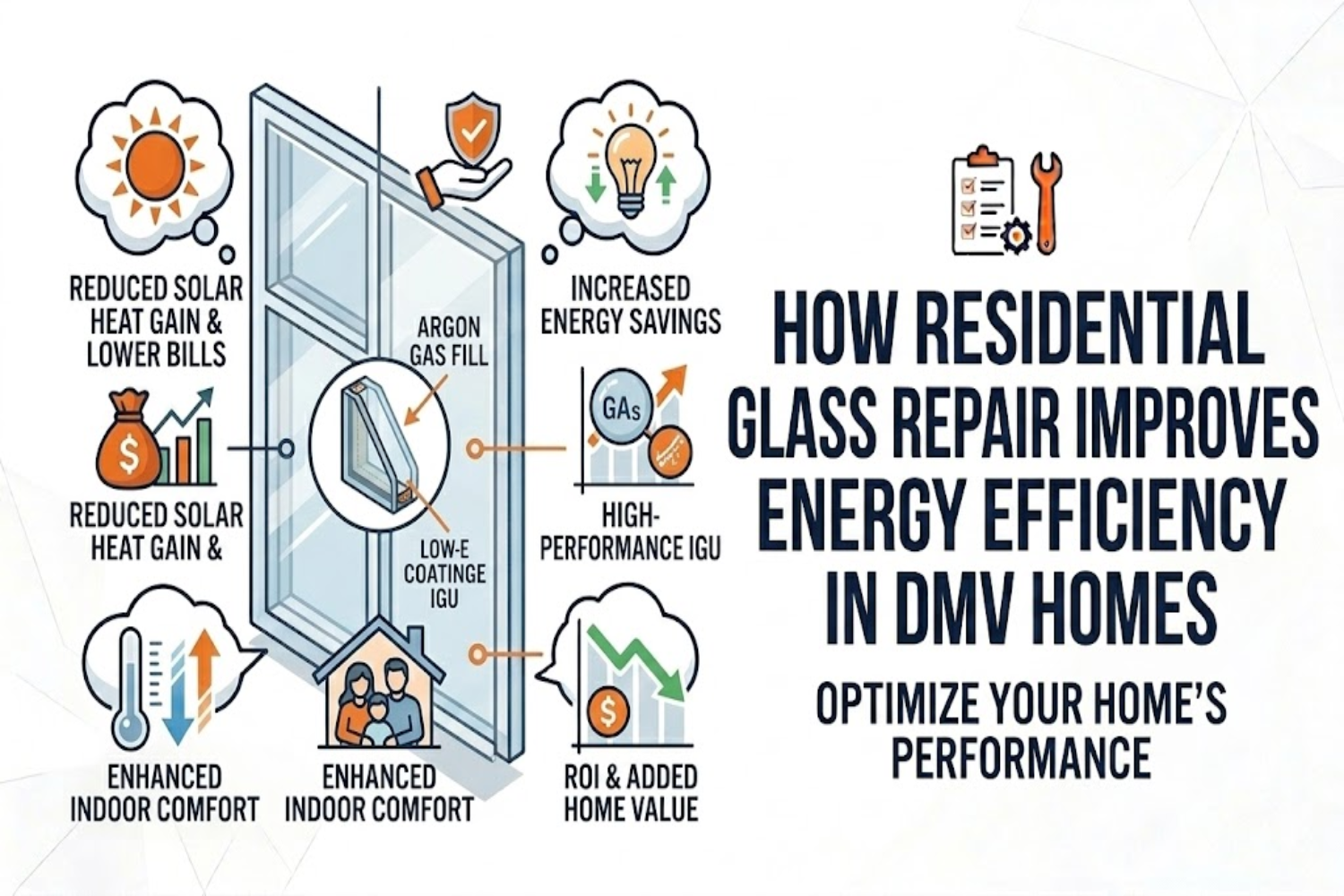
Residential glass repair plays a vital role in enhancing home energy efficiency by addressing common issues that cause heat loss, air infiltration, and poor insulation in windows. In regions with variable seasons like the DMV, where summers bring high humidity and heat while winters deliver cold snaps, windows significantly impact heating and cooling demands. Damaged or failing glass allows conditioned air to escape and outdoor temperatures to invade, forcing HVAC systems to work harder and longer. Professional repairs restore the thermal barrier, seal gaps, and often incorporate upgrades like gas refills or low-E coatings for better performance. These fixes reduce energy consumption noticeably, leading to lower utility bills and increased comfort year-round. Homeowners who invest in timely glass repair avoid the higher costs of full replacements while achieving substantial efficiency gains. Proactive maintenance ensures windows contribute positively to overall home sustainability and cost savings. This article explores how targeted glass repairs deliver these benefits effectively.
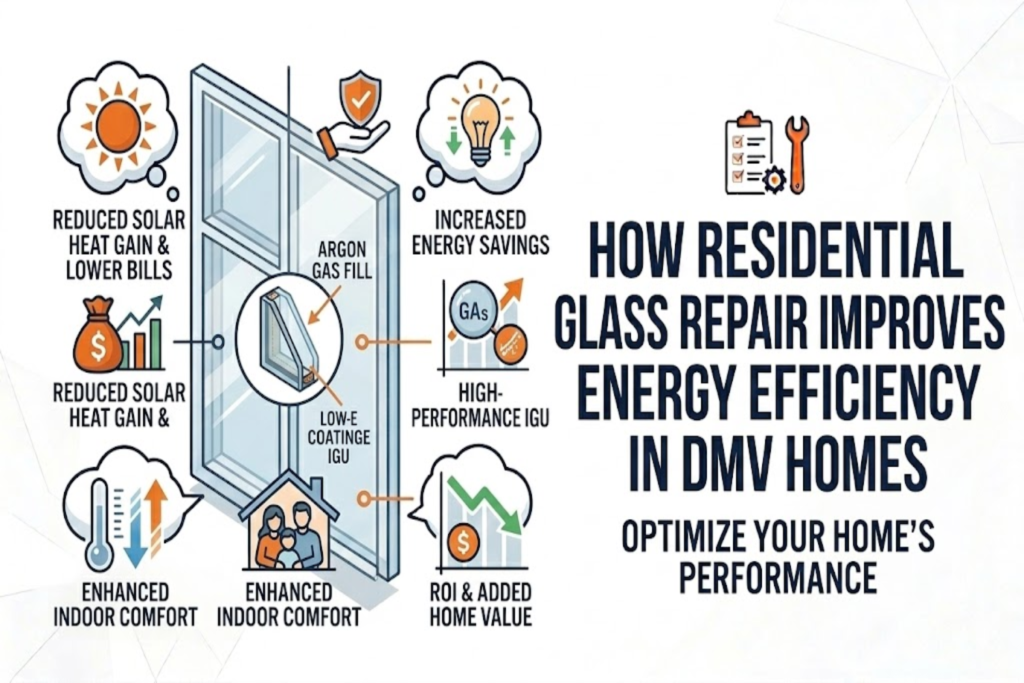
Understanding Energy Loss Through Windows in Homes
Windows account for a significant portion of a home’s energy inefficiency, often responsible for 25-30% of total heat gain or loss depending on climate and window condition. Single-pane or damaged double-pane units transfer heat rapidly, making indoor spaces harder to maintain at comfortable levels. In humid and temperature-fluctuating areas, this inefficiency spikes utility costs as systems compensate constantly. Professional glass repair targets the root causes like failed seals, cracks, or poor glazing to reinstate proper insulation. Repairs prevent drafts, reduce solar heat gain in summer, and minimize heat escape in winter. Upgrading during repair with modern materials further boosts performance without full window changes. This approach delivers immediate and lasting energy savings while preserving existing frames.
The Role of Insulated Glass Units in Efficiency
Insulated glass units (IGUs), commonly double or triple-pane, create an air or gas-filled barrier that dramatically reduces thermal transfer compared to single glass. When seals fail, moisture enters, fogging occurs, and insulating gas escapes, collapsing the unit’s efficiency to near single-pane levels. Repairing these units by draining moisture, replacing desiccant, and resealing restores the original insulating properties. Technicians often refill with argon or krypton gas for even better thermal resistance. This process brings U-factor ratings back to optimal levels, cutting heat loss substantially. Proper IGU repair prevents energy waste and extends window lifespan affordably. Homeowners notice improved temperature stability and reduced HVAC cycling after service.
How Failed Seals Cause Major Energy Waste
Failed edge seals in double-pane windows allow argon gas to leak out gradually, replacing it with humid air that conducts heat far more readily. This breakdown increases U-values significantly, leading to higher energy bills as heating and cooling demands rise. Fogging between panes signals complete seal failure, eliminating the insulating gap’s benefit entirely. Professional repair disassembles the unit carefully, removes moisture, installs fresh desiccant, and reseals with high-quality materials. Restoring the gas fill recovers up to 90% of original efficiency in many cases. Ignoring seal issues compounds waste over seasons. Expert intervention stops this cycle and reinstates strong thermal performance reliably.
Eliminating Drafts and Air Leaks with Glass Repair
- Drafts around window edges stem from cracked glass, deteriorated caulking, or misaligned panes that compromise airtightness.
- These leaks allow cold air infiltration in winter and hot air entry in summer, accounting for substantial energy loss.
- Professional glass repair includes realigning components, replacing weatherstripping, and applying premium sealants to create an effective barrier.
- Technicians use thermal imaging to detect hidden leaks for targeted fixes.
- Eliminating drafts stabilizes indoor temperatures and reduces HVAC runtime noticeably.
- This simple yet impactful repair enhances overall home airtightness.
- Consistent comfort follows with lower energy demands throughout the year.
Testing and Fixing Hidden Air Infiltration Points
Homeowners can initially test for leaks using incense smoke or a candle near edges to observe movement indicating infiltration. Professionals advance this with blower door tests and infrared scans for precise identification. Repairs focus on resealing perimeter joints, adjusting sash alignment, and installing compression gaskets where needed. These steps block uncontrolled air exchange effectively. Regular detection prevents gradual efficiency decline. Combined DIY checks and expert service deliver optimal airtight performance and energy savings.
Restoring Fogged Windows for Better Insulation
Fogged double-pane windows indicate moisture trapped between layers due to seal failure, destroying the insulating gas barrier and creating a conductive path for heat. This condition reduces window efficiency dramatically, similar to single glazing in practice. Professional repair extracts moisture, replaces spacers if necessary, and reseals the unit completely. Many services include argon refill to enhance insulation further. Cleared and restored panes regain clarity and thermal resistance quickly. This fix eliminates condensation issues while slashing energy waste. Homes benefit from consistent temperatures and reduced bills post-repair.
Upgrading to Low-E Coatings During Repair
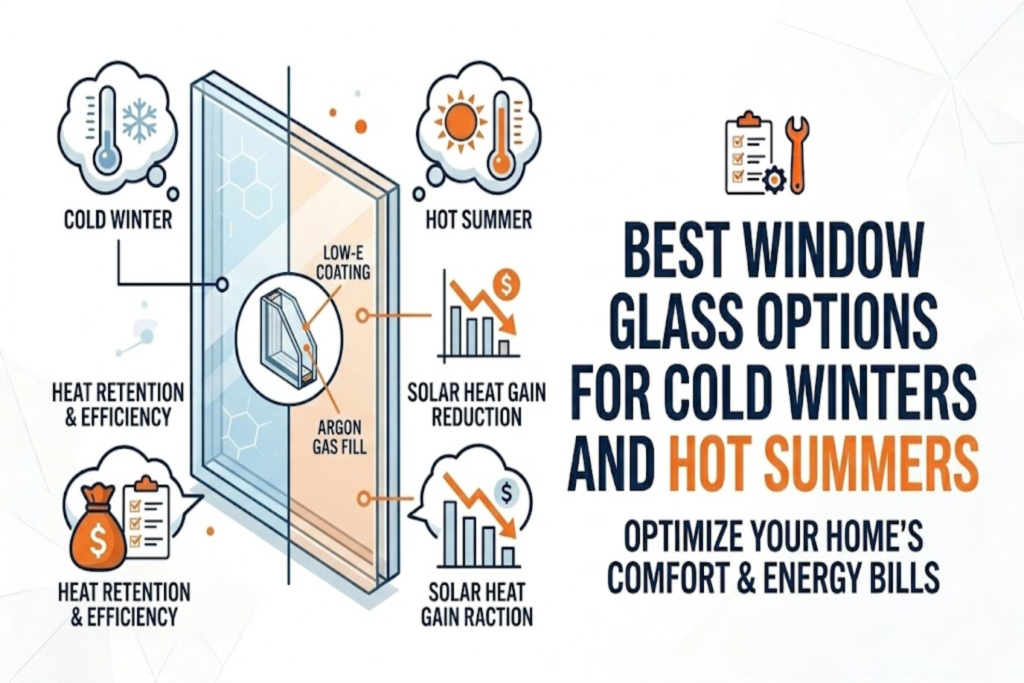
Low-emissivity (low-E) coatings applied during glass repair reflect infrared heat while allowing visible light through, controlling solar gain and loss effectively. Adding or replacing low-E films on repaired panes boosts performance in mixed climates. These coatings reduce heat transfer by up to 50% in some configurations. Technicians integrate them seamlessly during pane replacement or unit restoration. The upgrade improves summer cooling efficiency and winter heat retention simultaneously. Long-term savings accumulate through lower HVAC usage. This enhancement maximizes repair value significantly.
Benefits of Gas-Filled Repairs for Thermal Performance
Argon or krypton gas fills slow molecular movement, providing superior insulation over air-filled spaces. Repair services often include refilling depleted units with these gases during resealing. This step lowers U-factors substantially for better energy performance. Gas-filled repairs outperform basic air units noticeably in temperature regulation. Homeowners experience fewer hot or cold spots near windows. The investment yields ongoing efficiency gains reliably.
Reducing Solar Heat Gain Through Targeted Fixes
Excessive solar heat gain through clear or damaged glass raises indoor temperatures, increasing air conditioning needs during warmer months. Repairing with tinted, low-E, or spectrally selective glass controls this gain effectively. Professionals assess orientation and exposure to recommend appropriate solutions. These fixes block harmful UV rays while preserving natural light. Reduced cooling loads translate to direct energy savings. Comfort improves as rooms stay cooler naturally. Strategic repairs optimize seasonal performance comprehensively.
Lowering Heating Demands in Colder Seasons
In colder periods, poor glass insulation allows rapid heat escape, forcing furnaces or heat pumps to compensate constantly. Repairing cracks, seals, and IGUs restores heat retention capabilities significantly. Upgraded glazing reflects interior heat back inside effectively. This reduces heating cycles and fuel consumption noticeably. Homes maintain warmth more evenly throughout spaces. Energy bills drop as systems work less strenuously. Winter efficiency gains prove substantial after professional service.
Impact on HVAC System Longevity and Efficiency
Overworked HVAC systems from inefficient windows suffer increased wear, shorter lifespans, and higher maintenance costs. Glass repair eases this burden by minimizing temperature fluctuations and load demands. Stable indoor conditions allow equipment to operate optimally with fewer starts and stops. Reduced strain extends component life and improves overall system efficiency. Homeowners save on both energy and repair expenses long-term. This indirect benefit amplifies direct window improvements significantly.
Measuring Energy Savings After Glass Repair
Post-repair energy audits using thermal cameras and utility comparisons quantify improvements accurately. Many homeowners report 15-30% reductions in heating/cooling costs depending on original condition. Tracking monthly bills provides clear evidence of savings. Professional assessments validate efficiency gains objectively. These metrics justify repair investments convincingly. Consistent monitoring encourages ongoing home efficiency maintenance.
Cost-Effectiveness of Repair Versus Full Replacement
Glass repair costs far less than complete window replacement while delivering comparable efficiency improvements for seal or glass-specific issues. Targeted fixes preserve functional frames and avoid disposal waste. Savings often recoup within 1-3 years through lower bills. Repairs extend window life affordably without major disruption. This option suits well-maintained homes perfectly. Economic advantages make professional repair highly attractive.
| Repair Type | Common Issue Addressed | Energy Efficiency Improvement | Typical Cost Range (per window) | Estimated Annual Savings | Payback Period | Additional Benefits |
| Seal Resealing & Gas Refill | Fogging, gas loss | Restores 80-95% of original insulation | $150–$350 | $50–$150 | 1–3 years | Clears fog, prevents mold |
| Crack/Chip Resin Injection | Minor structural damage | Prevents spreading, maintains thermal barrier | $75–$200 | $30–$100 | 1–2 years | Strengthens glass, improves clarity |
| Pane Replacement | Severe cracks or breakage | Upgrades to low-E or tempered glass | $200–$500 | $80–$200 | 2–4 years | Better durability, UV protection |
| Weatherstripping & Caulking | Drafts around edges | Reduces air infiltration by 20-40% | $100–$250 | $40–$120 | 1–3 years | Eliminates pests, noise reduction |
| Low-E Coating Addition | High solar gain/heat loss | Reduces heat transfer by 30-50% | $150–$400 | $60–$180 | 2–3 years | Blocks UV fading, enhances comfort |
| Full IGU Replacement | Complete unit failure | Brings U-factor back to modern standards | $300–$600 | $100–$250 | 2–5 years | Maximum efficiency, long warranty |
| Frame Alignment Adjustment | Sticking sashes, minor leaks | Improves seal contact, cuts drafts | $100–$300 | $40–$110 | 1–3 years | Smoother operation, better security |
Invest in Glass Repair for Lasting Efficiency Gains
Residential glass repair transforms underperforming windows into efficient assets that significantly lower energy consumption in DMV homes. By fixing seals, cracks, drafts, and fogging promptly, homeowners restore insulation, eliminate waste, and reduce reliance on HVAC systems. These improvements deliver measurable savings on bills while enhancing comfort and extending window life affordably. In Woodbridge VA, where seasonal variations challenge home efficiency, targeted repairs prove especially valuable. Proactive service prevents minor issues from escalating into costly problems. Ultimately, professional glass repair stands as a smart, sustainable choice for better energy performance.
Professional Maintenance Tips to Maximize Efficiency
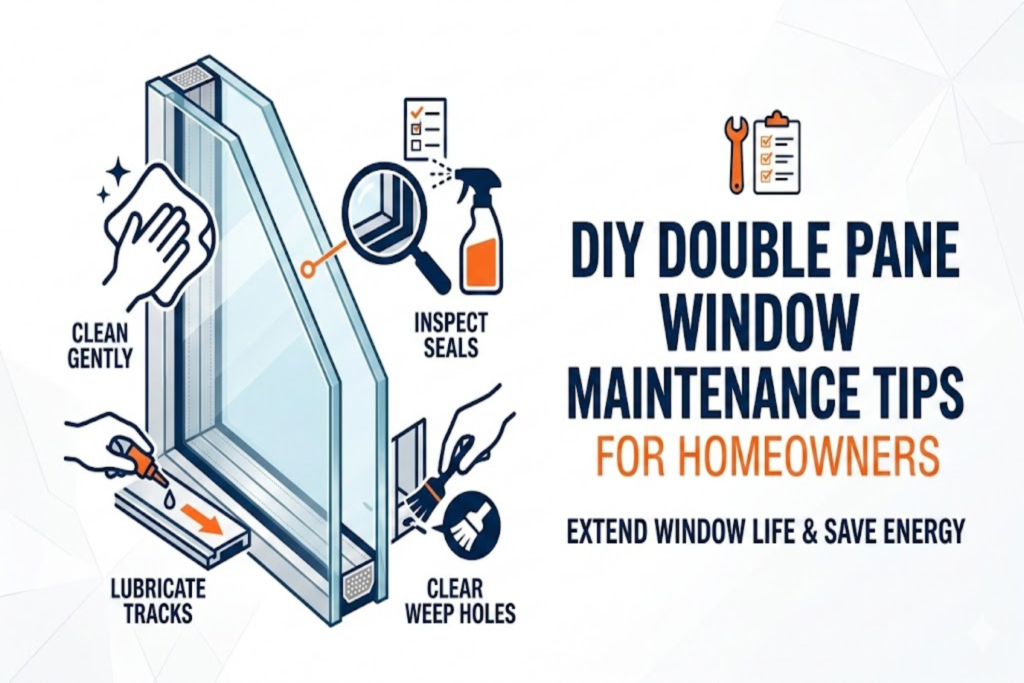
Regularly clean glass with non-abrasive solutions to maintain coatings and clarity without damage. Inspect seals and caulking annually for cracks or wear, addressing issues early. Use window films or coverings during extreme weather for added protection. Trim exterior vegetation to prevent moisture buildup against frames. Schedule professional inspections every few years to catch subtle declines. These habits complement repairs and sustain high efficiency levels. Consistent care ensures long-term performance and savings.
Common Myths About Window Energy Efficiency Debunked
Many believe only full replacement improves efficiency, but targeted glass repair often achieves similar results at lower cost. Foggy windows are not just cosmetic; they indicate major insulation loss requiring prompt fix. Temporary defogging methods rarely restore true efficiency long-term. Upgrading during repair with low-E or gas fills exceeds original performance in many cases. Understanding facts guides better decisions. Expert advice dispels misconceptions effectively.
Conclusion:
Certified technicians possess specialized tools, materials, and knowledge for precise, durable repairs. They ensure compliance with energy standards and provide warranties on work. Professional diagnosis identifies all related issues for comprehensive fixes. Quality service minimizes disruption and maximizes efficiency gains. In Woodbridge VA, local experts understand regional demands best. Trusting professionals guarantees optimal results and peace of mind.
Many believe only full replacement improves efficiency, but targeted glass repair often achieves similar results at lower cost. Foggy windows are not just cosmetic; they indicate major insulation loss requiring prompt fix. Temporary defogging methods rarely restore true efficiency long-term. Upgrading during repair with low-E or gas fills exceeds original performance in many cases. Understanding facts guides better decisions. Expert advice dispels misconceptions effectively.
Frequently Asked Questions
- How does repairing foggy windows improve energy efficiency?
Repairing foggy windows restores the insulating gas barrier between panes, preventing heat transfer and reducing HVAC workload significantly. Moisture removal and resealing bring U-factor back to efficient levels. This cuts heating and cooling costs noticeably year-round. Restored clarity also enhances natural light benefits.
- Can glass repair with low-E coatings lower my cooling bills?
Yes, adding low-E coatings during repair reflects solar heat away in summer while retaining interior warmth in winter. This dual control reduces air conditioning needs substantially. Many homeowners see 20-30% cooling savings post-upgrade. The enhancement pays dividends quickly.
- Is repairing cracked windows worth it for energy savings?
Absolutely, sealing cracks prevents air leaks and maintains thermal integrity before spreading occurs. Resin injection or pane fixes stop energy loss effectively. Early repair avoids larger bills from inefficiency. It extends window usability affordably.
- How much can I save on energy bills after professional glass repair?
Savings typically range from 10-30% on heating and cooling depending on original issues and home size. Draft elimination and seal restoration contribute most directly. Utility reductions appear within months. Long-term benefits accumulate steadily.
- Does gas refill during repair make a big difference?
Argon or krypton refill dramatically improves insulation over air, lowering heat conduction noticeably. It restores or exceeds original efficiency ratings. This upgrade enhances comfort and cuts energy use reliably. Professionals recommend it for optimal results.
- Will glass repair help with both winter heating and summer cooling?
Yes, comprehensive repairs address heat loss in winter and gain in summer through better seals and coatings. Balanced performance stabilizes temperatures year-round. HVAC systems run less overall. Efficiency improves across seasons effectively.
- How long do repaired windows maintain improved efficiency?
High-quality repairs last 10-20 years or more with proper maintenance and materials. Warranties often cover seal failure. Regular checks extend performance further. Longevity ensures sustained savings.
- Is professional repair better than DIY for energy efficiency?
Professional repair uses advanced techniques and materials unavailable DIY, ensuring proper gas fills and seals. DIY attempts often fail to restore full efficiency or cause worse issues. Expert work guarantees reliable, lasting improvements.
- Can repairing old windows make them more efficient than before?
Yes, incorporating modern low-E, gas fills, or laminated glass during repair upgrades beyond original specs. This surpasses factory performance in many cases. Homes gain enhanced efficiency affordably. Upgrades maximize repair value.
- What signs indicate my windows need repair for better efficiency?
Look for fogging, drafts, high bills, difficulty operating sashes, or condensation on interiors. These signal lost insulation and leaks. Prompt attention prevents escalation. Professional assessment confirms needs accurately.
Visit our DMV Window Repairs LLC blog to explore our residential and commercial glass services for customers in Woodbridge, VA.