
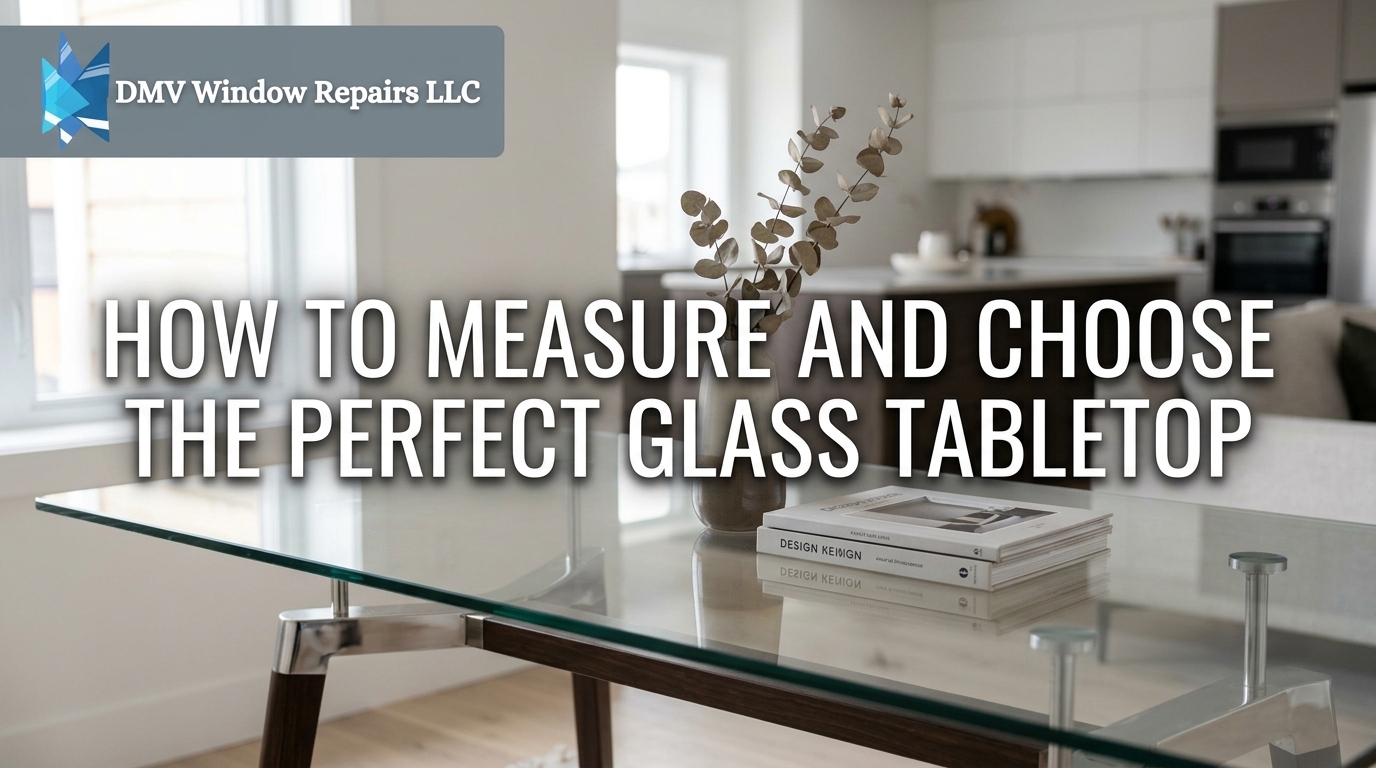
Selecting and measuring for the perfect custom glass tabletop transforms ordinary furniture into elegant, functional focal points while ensuring safety, durability, and precise fit. Glass tabletops add lightness, reflect natural light beautifully, and create an illusion of more spacious rooms compared to solid surfaces. The process begins with accurate measurement of both the existing base and desired overhang, followed by decisions on thickness, edge profile, glass type, and finish that match your lifestyle and décor. Mistakes in measurement or specification lead to costly returns, poor stability, safety concerns, or visual disappointment.
Tempered safety glass remains the standard for all tabletops due to its strength and shatter-resistant properties. Custom fabrication allows exact sizing, special shapes, hole drilling for umbrella poles or power grommets, and personalized finishes like low-iron clarity or back-painted color. Understanding the technical details empowers confident choices that enhance both form and function for years. Homeowners in Woodbridge VA often prioritize these durable, low-maintenance surfaces to complement modern family homes and withstand daily use effectively.
Why Accurate Measurement Matters Most
Precise measurement prevents the most common and expensive problems with glass tabletops. Even ¼-inch errors cause noticeable overhang imbalance, stability issues, or complete refabrication needs. Incorrect base dimensions lead to glass that overhangs too far (unsafe) or sits too small (unattractive). Measuring both the base frame and desired final tabletop size accounts for aesthetic proportions and practical use. Professional templating eliminates guesswork especially for irregular shapes or inset applications. Proper measurement also ensures correct thickness selection for span and load requirements.
Tools Required for Precise Measurement
Steel tape measure (25 ft minimum) provides accurate straight-line readings. Combination square checks 90-degree corners and edge alignment. Straightedge or level verifies flatness of the base surface. Digital caliper measures existing glass thickness if replacing. Notepad and pencil record multiple measurements systematically. Masking tape marks exact positions when measuring odd shapes or cutouts.
Step-by-Step Measurement Process
Clear the base completely removing any existing top or decorative items. Measure the base frame length and width at three points (front, middle, back) recording the smallest dimension. Measure diagonal corners confirming squareness (diagonals should match within ⅛ inch). Decide desired overhang typically 1–2 inches per side for dining/coffee tables. Subtract overhang from base dimensions to determine exact glass size needed. Double-check all figures before ordering to avoid costly errors.
Choosing the Right Glass Thickness
Glass thickness directly affects strength, weight, appearance, and cost of the tabletop. Thinner glass looks lighter and more contemporary but flexes under load on larger spans. Thicker glass provides rock-solid stability and luxurious presence at the expense of increased weight and price. Load requirements, table size, and intended use guide the correct choice. Tempered glass of proper thickness handles everyday dining, display, or desk use reliably.
Standard Thickness Recommendations
⅜ inch suits small accent tables, sofa tables, and consoles up to 36 inches wide. ½ inch works well for most coffee tables, end tables, and dining tables up to 60 inches. ¾ inch provides maximum rigidity for large dining tables over 72 inches or heavy-use surfaces. 1 inch creates substantial architectural statements for luxury applications. Thicker glass resists noticeable deflection under weight significantly.
When to Choose Thicker Glass
Large spans exceeding 60 inches require ¾ inch minimum preventing visible flexing. Heavy centerpieces, frequent leaning, or children climbing necessitate added strength. Glass bridging wide bases without center support demands increased thickness. Professional fabricators recommend minimum thickness based on span tables. Proper thickness selection ensures long-term safety and satisfaction.
Glass Type and Clarity Options
Standard clear tempered glass contains slight green tint visible on edges and thicker pieces. Low-iron ultra-clear glass removes iron content eliminating green cast for crystal-like appearance. Frosted or satin-etched glass provides diffused light transmission and privacy. Tinted options (bronze, gray, blue) reduce glare while adding color interest. Back-painted glass creates solid color surfaces matching décor schemes perfectly.
Low-Iron Ultra-Clear Advantages
Low-iron glass shows truer colors underneath without green distortion. Edges appear bright white instead of greenish tint. Ideal for thicker pieces where color cast becomes noticeable. Slightly higher cost justified by superior visual purity. Most premium custom tabletops now specify low-iron standard.
Specialty Glass Finishes
Back-painted offers unlimited color choices with durable baked-on finish. Digitally printed patterns mimic marble, wood, or custom artwork. Acid-etched frost creates subtle texture and light diffusion. Antique mirror finishes add vintage glamour without actual silvering. These specialty options transform tabletops into artistic focal points.
Edge Profile Selection Guide
- Edge treatment dramatically affects both safety and visual style of glass tabletops.
- Flat polished edges create clean modern lines with minimal visual interruption.
- Beveled edges add sparkle and traditional elegance through angled facets.
- Pencil polish rounds edges slightly for finger-friendly comfort and subtle sophistication.
- Ogee and bullnose edges suit more decorative or transitional styles.
- Mitered edges create seamless corner appearance on thick glass.
Safety Considerations for Edges
All exposed edges must be polished smooth eliminating sharpness completely. Pencil polish or rounded profiles reduce injury risk significantly. Beveled edges require careful handling during installation and use. Fabricators polish all edges as standard safety practice. Proper edge selection balances aesthetics with family safety.
Popular Edge Profiles Comparison
Flat polished delivers minimalist contemporary appearance. Beveled adds light-catching elegance suitable for formal settings. Pencil polish provides soft rounded edge most comfortable for daily use. Ogee creates classic decorative detail for traditional interiors. Choose profile that complements your overall design direction.
Shape and Customization Possibilities
Rectangular glass tabletops remain most versatile for dining and desk applications. Round shapes soften room corners and encourage conversation flow naturally. Oval or racetrack shapes combine length with softer lines elegantly. Irregular organic shapes create unique artistic statements. Custom cutouts accommodate umbrella poles, power/data grommets, or sink inserts precisely.
Custom Shape Fabrication Process
Provide accurate template or CAD drawing for complex shapes. CNC cutting ensures precise curves and corners consistently. Edge polishing maintains safety and beauty on all profiles. Hole drilling for functional cutouts requires minimum edge distance. Custom shapes allow perfect fit for unique spaces and bases.
Cost Factors and Budget Planning
Glass tabletop pricing depends on size, thickness, type, edge work, and finish complexity. Basic ½-inch clear tempered starts affordably for smaller applications. Low-iron, thicker glass, special edges, and back-painting increase costs progressively. Large statement pieces or outdoor-rated options reach premium ranges. Professional templating and installation add necessary expenses for perfect results. Quality custom glass provides excellent long-term value through durability.
| Glass Specification | Typical Thickness | Approx. Cost Range (per sq ft) | Best Applications | Visual Clarity Level | Added Cost Factors |
| Standard Clear Tempered | ⅜–½ inch | $12–$25 | Coffee tables, consoles | Good | Basic edge polishing |
| Low-Iron Ultra-Clear Tempered | ½–¾ inch | $20–$45 | Dining tables, desks | Excellent | Clarity upgrade |
| Back-Painted Solid Color | ½–¾ inch | $35–$70 | Kitchen islands, statement pieces | Opaque | Custom color + painting |
| Frosted / Acid-Etched | ½ inch | $25–$50 | Offices, bathrooms | Diffused | Etching process |
| Digitally Printed Pattern | ½–¾ inch | $45–$90 | Artistic focal points | Custom design | Printing + design fees |
| Thick Architectural (¾–1 inch) | ¾–1 inch | $40–$85 | Large dining, conference tables | Substantial presence | Increased material + weight |
| Outdoor-Rated with UV Protection | ¾ inch | $30–$65 | Covered patios | Stable long-term | UV coating + thicker glass |
Professional Templating vs DIY Measurement
Professional templating provides highest accuracy especially for irregular bases or inset applications. Fabricators create precise templates on-site eliminating measurement errors completely. DIY works well for simple rectangular tops with straight edges. Complex shapes or cutouts benefit greatly from expert templating. Professional service reduces risk of costly refabrication significantly.
Safety Standards and Certifications
All custom glass tabletops must use fully tempered safety glass meeting ANSI Z97.1 or CPSC 16 CFR 1201 standards. Look for permanent tempered stamp etched in corner confirming certification. Proper thickness and edge work ensure compliance with residential safety codes. Safety certification provides peace of mind for family use. Reputable fabricators guarantee compliance automatically.
Installation and Support Considerations
Glass tabletops require flat, level bases preventing stress cracks from uneven pressure. Use rubber pads or silicone dots between glass and base eliminating direct contact. Avoid permanent adhesive allowing seasonal movement and replacement. Center support needed for spans over 48–60 inches depending on thickness. Proper installation preserves safety and appearance long-term.
Maintenance Tips for Long-Lasting Beauty
Clean weekly with ammonia-free glass cleaner and microfiber cloth. Use coasters under glasses preventing water rings and etching. Address acidic spills immediately avoiding surface damage. Polish minor scratches professionally when needed. Protective pads under heavy objects prevent pressure marks. Consistent care maintains pristine appearance indefinitely.
Conclusion
Measuring and choosing the perfect glass tabletop requires careful attention to dimensions, thickness, glass type, edge profile, and finish details. Accurate measurement prevents fit problems while informed material choices ensure safety, durability, and visual harmony. Custom options allow precise matching to your space, style, and functional needs perfectly.
Low-iron clarity, tempered strength, and thoughtful edge treatments deliver professional-quality results. Investing time in proper specification creates beautiful, long-lasting surfaces that enhance any room. In Woodbridge VA, these elegant tabletops add sophisticated modern touches while remaining practical for active households.
Frequently Asked Questions
- How much overhang should a glass tabletop have on each side?
Standard recommendation is 1–2 inches per side for most dining and coffee tables. Larger overhangs (beyond 3 inches) require thicker glass or center support to prevent tipping. Consider chair clearance and base stability when deciding. Balanced overhang creates pleasing proportions visually.
- Is ½ inch glass strong enough for a large dining table?
½ inch works well up to approximately 60 inches wide with proper support underneath. Larger spans or heavy use benefit from ¾ inch minimum preventing noticeable flexing. Always follow fabricator span/load guidelines. Thicker glass adds both strength and luxurious presence.
- What is the difference between clear and low-iron glass for tabletops?
Clear glass has slight green tint visible on edges and thicker pieces. Low-iron removes iron content eliminating green cast for crystal-clear appearance. Low-iron shows truer colors underneath and brighter white edges. Most premium tabletops now use low-iron for superior visual quality.
- Can I measure and order a custom glass tabletop myself?
Yes, for simple rectangular shapes with straight bases. Measure multiple points and confirm squareness carefully. Complex shapes, cutouts, or inset applications benefit greatly from professional templating. Errors in DIY measurement lead to costly refabrication. When in doubt, use professional service.
- How do I choose the right edge profile for my glass tabletop?
Flat polished creates clean modern lines. Pencil polish offers rounded comfort and subtle elegance. Beveled adds sparkle suitable for formal settings. Match edge style to your overall décor direction. All edges must be polished smooth for safety regardless of profile.
- Is tempered glass really safe for homes with children?
Yes, tempered safety glass breaks into small rounded pebbles rather than sharp shards. Proper thickness and edge polishing reduce injury risk significantly. Supervision remains important with active young children. Tempered glass ranks among safest tabletop materials available.
- How thick should glass be for a coffee table versus dining table?
½ inch suffices for most coffee tables up to 48 inches wide. Dining tables typically require ½–¾ inch depending on size and span. Larger dining tables or cantilevered designs need ¾ inch minimum. Thickness prevents flexing under normal use loads.
- Can custom glass tabletops have holes cut for umbrella poles?
Yes, fabricators drill precise holes with minimum edge distance requirements. Standard umbrella pole holes measure 2–2½ inches diameter. Reinforcing around holes prevents cracking under stress. Professional drilling ensures clean edges and structural integrity.
- How do I clean and maintain a back-painted glass tabletop?
Use ammonia-free glass cleaner or mild soap solution with microfiber cloth. Avoid abrasive pads or harsh chemicals damaging paint layers. Clean spills immediately preventing staining. Gentle circular motions preserve finish quality longest.
- What should I do if my glass tabletop arrives with a defect?
Document damage with photos immediately upon delivery. Contact fabricator or retailer within their inspection period (usually 48–72 hours). Most reputable companies replace defective glass at no charge. Proper packaging and handling during shipping minimize transit damage. In Woodbridge VA, local custom glass providers often offer quick inspection and replacement service for peace of mind.
Visit our DMV Window Repairs LLC blog to explore our residential and commercial glass services for customers in Woodbridge, VA.