
Choosing the right glass type for your patio doors dramatically affects energy efficiency, safety, comfort, noise control, UV protection, and overall home security. Modern options go far beyond basic clear glass, offering specialized coatings, multiple panes, laminated interlayers, and tempered treatments designed for specific performance needs. The best choice depends on your climate, home orientation, budget, primary concerns like noise or security, and how much natural light you want to preserve.
Upgrading glass can transform an outdated sliding or French patio door system into a high-performing feature that lowers utility bills while enhancing livability. Many homeowners overlook glass performance when focusing only on frames or hardware, yet glass constitutes the largest surface area exposed to the elements. Proper selection prevents common problems like excessive heat gain, fading furniture, high energy loss, or safety risks from breakage. Professional evaluation helps match glass properties precisely to your home’s unique conditions. The right glass type delivers benefits that last for decades with minimal ongoing maintenance.
Single-Pane Glass
Single-pane glass represents the oldest and simplest option still found in some older patio doors. It consists of one layer of glass without any additional treatments or air spaces for insulation. While inexpensive and widely available in legacy installations, single-pane offers virtually no thermal resistance or sound dampening. Heat transfers easily through the thin material in both directions, causing significant energy waste year-round.
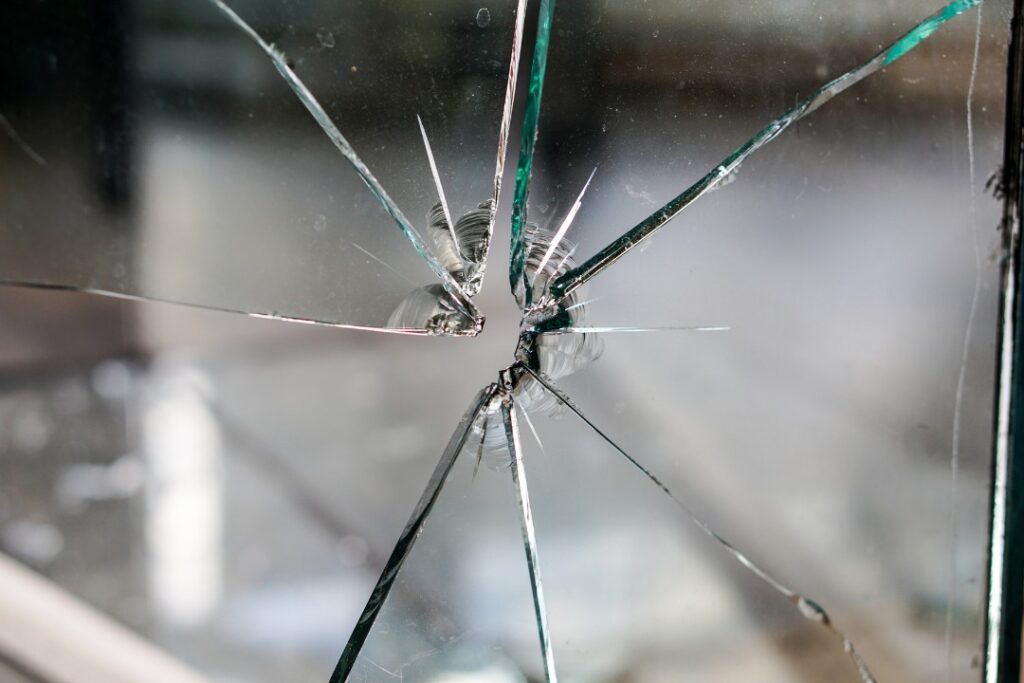
UV rays pass through almost unfiltered, accelerating fading of interior furnishings, flooring, and artwork. Breakage produces large, sharp shards that pose serious injury risks. Most building codes no longer allow single-pane in new patio door installations due to poor performance. It remains only in older homes awaiting upgrades or replacements.
Pros of Single-Pane Glass
Extremely low initial cost makes it attractive for budget-conscious repairs on existing doors. Maximum visible light transmission creates bright, open-feeling interiors. Simple construction allows easy replacement if only one pane cracks or breaks. Minimal weight reduces strain on tracks and rollers in sliding systems. Repair costs stay lower compared to multi-pane units when damage occurs. Clear, undistorted views suit homes prioritizing unobstructed outdoor sightlines.
Cons of Single-Pane Glass
Very poor insulation leads to high heating and cooling bills throughout the year. No protection against UV fading damages carpets, upholstery, and wood finishes quickly. Loud external noise transmits directly into living spaces without any dampening. Safety risk increases dramatically because broken glass shatters into dangerous jagged pieces. Condensation forms readily on cold surfaces during winter months. Overall comfort suffers from drafts and temperature swings near the doors.
Double-Pane (Insulated) Glass
Double-pane glass, also called insulated glass units (IGU), features two layers of glass separated by a sealed air or gas-filled space. This design creates a significant thermal break that dramatically improves energy performance over single-pane. The space between panes reduces conductive heat transfer while the sealed unit prevents moisture infiltration that causes fogging.
Low-E coatings applied to one or both inner surfaces further enhance performance by reflecting heat appropriately for the climate. Argon or krypton gas fills boost insulation values beyond standard air spaces. Double-pane has become the industry standard for most new patio door installations today. It balances cost, performance, and availability effectively for the majority of homeowners.
Advantages of Double-Pane Glass
Excellent improvement in U-factor and solar heat gain coefficient ratings compared to single-pane. Noticeable reduction in heating and cooling costs month after month. Better sound insulation softens outside traffic, neighbor, or wind noise considerably. Low-E options block most harmful UV rays while allowing visible light through. Condensation resistance stays high when properly sealed and installed. Widely available in various thicknesses and gas fills for customized performance.
Disadvantages of Double-Pane Glass
Higher upfront cost than single-pane replacements or repairs. Slightly heavier panels require stronger rollers and tracks for smooth sliding. Potential for seal failure over decades leading to fogging between panes. Visible light transmission drops marginally compared to clear single-pane. Repair costs rise significantly if the entire unit must be replaced due to seal issues. Proper installation remains critical to realizing full performance benefits.
Triple-Pane Glass
Triple-pane glass incorporates three layers of glass with two separate sealed spaces between them. This additional pane and airspace create superior thermal insulation, often achieving U-factors half or less of double-pane units. Krypton gas fills between panes maximize performance in very cold climates without excessive weight gain.
Triple-pane excels in northern regions with long heating seasons and extreme temperature differences. Acoustic performance improves dramatically due to the extra mass and air gaps. Many manufacturers now offer triple-pane options in patio doors with minimal frame modifications. The added pane also enhances overall structural rigidity and security.
Benefits of Triple-Pane Glass
Outstanding energy efficiency reduces utility bills substantially in cold or mixed climates. Superior soundproofing quiets busy streets, airports, or noisy neighborhoods effectively. Excellent condensation resistance even during severe winter conditions. Enhanced UV protection preserves interior furnishings longer. Greater overall comfort near doors with stable indoor temperatures year-round. Potential for higher rebates or incentives in energy-efficiency programs.
Drawbacks of Triple-Pane Glass
Significantly higher material and installation costs compared to double-pane. Increased weight requires robust hardware and professional installation. Slightly reduced visible light transmission due to extra glass layers. Not always necessary in mild or hot climates where solar control matters more. Seal failure, though rare, becomes more expensive to address with three panes involved. Frame modifications sometimes needed to accommodate thicker units.
Low-E Coatings Explained
- Low-emissivity (Low-E) coatings consist of microscopically thin metallic layers applied to glass surfaces.
- These coatings reflect infrared heat while allowing visible light to pass through freely.
- Different Low-E types tune performance for specific climates: high solar gain for cold regions, low solar gain for hot areas.
- Soft-coat (sputtered) Low-E offers superior performance but requires careful handling.
- Hard-coat (pyrolytic) Low-E withstands tougher processing but provides slightly less efficiency.
- Multiple Low-E surfaces stack performance for premium units. The coating makes one of the single biggest differences in real-world energy savings.
How Low-E Improves Performance
Reflects indoor heat back inside during winter for better retention. Blocks excess solar heat gain in summer to reduce cooling loads. Rejects up to 99% of damaging UV rays that fade fabrics and flooring. Maintains clear views without dark tinting or heavy coloration. Works passively without electricity or moving parts. Compatible with both double- and triple-pane configurations seamlessly.
Tinted and Reflective Glass Options
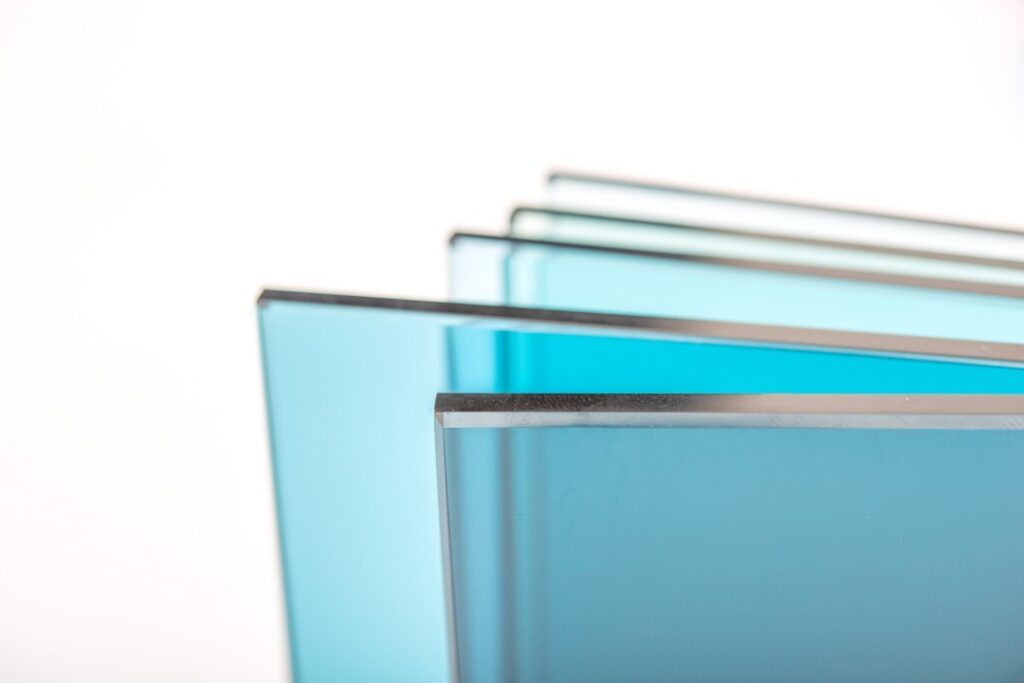
Tinted glass incorporates colorants during manufacturing to reduce light and heat transmission. Bronze, gray, green, and blue tints each offer slightly different aesthetics and performance characteristics. Reflective coatings add a mirror-like exterior appearance that increases privacy during daylight hours. These options prove popular in sunny, hot climates where solar control takes priority. Tint levels range from light to deep depending on desired glare reduction. Reflective versions create one-way visibility from inside during the day.
When to Choose Tinted Glass
Intense southern or western sun exposure causes overheating and glare indoors. High cooling costs dominate utility bills in warm regions. Privacy from street or neighbor views matters during daylight. Aesthetic match with home exterior or interior decor desired. Glare reduction improves television viewing or computer work near doors. UV-sensitive artwork or furnishings need extra protection.
Tempered vs Laminated Safety Glass
Tempered glass undergoes heat treatment that creates compressive surface stress for increased strength. When broken, it shatters into small, rounded pebbles rather than sharp shards. Laminated glass sandwiches a polyvinyl butyral (PVB) interlayer between two glass layers. Upon impact, the interlayer holds fragments together preventing penetration. Tempered suits most standard patio door applications for cost-effective safety. Laminated provides superior security and sound reduction in addition to safety.
Safety Glass Applications
Tempered glass meets code requirements for most patio doors in low-risk areas. Laminated glass excels where forced-entry resistance or storm protection matters. Both eliminate dangerous shard risks compared to annealed glass. Laminated adds acoustic damping as a bonus benefit. Tempered offers better optical clarity without interlayer haze. Choice depends on local codes, security needs, and budget constraints.
| Glass Type | Energy Efficiency | UV Protection | Sound Reduction | Safety Level | Solar Control | Cost Range | Best Climate | Privacy Level | Visible Light Transmission | Warranty Typical | Weight Impact | Security Benefit |
| Single-Pane Clear | Poor | None | None | Low | None | $ | None recommended | Low | Very High | N/A | Light | Minimal |
| Double-Pane Clear | Fair | Minimal | Low | Medium | Low | $$ | Mild climates | Low | High | 10–20 years | Medium | Basic |
| Double-Pane Low-E | Good | High | Medium | Medium | Medium-High | $$$ | Most regions | Low-Medium | High | 20 years | Medium | Moderate |
| Triple-Pane Low-E | Excellent | Very High | High | Medium-High | High | $$$$ | Cold climates | Medium | Medium-High | 20–30 years | Heavy | Good |
| Tinted Double-Pane | Good | High | Medium | Medium | High | $$$ | Hot/sunny | Medium-High | Medium | 20 years | Medium | Moderate |
| Reflective Double-Pane | Good | Very High | Medium | Medium | Very High | $$$$ | Very sunny | High (day) | Medium-Low | 20 years | Medium | Moderate |
| Laminated Tempered | Varies | High (with Low-E) | High | Very High | Varies | $$$$ | Storm-prone | Low-Medium | High (clear) | 10–20 years | Heavy | Excellent |
| Impact-Resistant Laminated | Varies | High | Very High | Exceptional | Varies | $$$$$ | High-wind/coastal | Medium | High | Lifetime limited | Very Heavy | Outstanding |
Impact-Resistant Glass for Storm Protection
Impact-resistant glass combines laminated interlayers with heat-treated or chemically strengthened base panes. Designed to withstand flying debris during hurricanes or severe storms without penetration. The system remains intact even after multiple high-velocity impacts. Many coastal building codes require impact-rated glass for exterior doors. Insurance companies frequently offer substantial premium reductions for certified impact products. The same construction provides exceptional forced-entry resistance as well.
Where Impact Glass Makes Sense
Regions prone to hurricanes, tornadoes, or severe thunderstorms. Homes near large trees that could drop branches during high winds. Insurance requirements or discounts justify higher upfront costs. Enhanced security against smash-and-grab break-ins desired. Noise reduction from traffic or aircraft becomes a valuable side benefit. Long-term durability in harsh weather conditions prioritized.
Acoustic Glass for Noise Reduction
Acoustic laminated glass uses specialized interlayers that dampen sound vibrations more effectively than standard PVB. Asymmetric pane thicknesses further disrupt sound wave transmission. Triple-pane acoustic units combine mass, air gaps, and damping for maximum performance. These options prove ideal for urban homes, properties near highways, airports, or noisy commercial areas. Sound transmission class (STC) ratings help compare noise reduction capabilities accurately. Acoustic upgrades often pair with Low-E for combined energy and comfort benefits.
Choosing Acoustic Performance Levels
Moderate traffic noise requires basic laminated acoustic glass. Heavy road or rail noise benefits from advanced interlayers and triple glazing. Airport proximity or nightlife districts demand highest STC ratings possible. Budget constraints may limit to double-pane with acoustic laminate. Professional measurement of current noise levels guides appropriate selection. The investment returns through improved sleep quality and living comfort.
Privacy and Decorative Glass Options
Frosted, etched, patterned, or textured glass provides varying degrees of privacy while still allowing diffused natural light. Obscure patterns range from light diffusion to near-complete visual block. Sandblasted or acid-etched designs create elegant artistic effects. Privacy glass suits bathrooms opening to patios, ground-level doors, or homes with close neighbors. Some patterns incorporate Low-E coatings without compromising appearance. Decorative options allow personalization that matches home style uniquely.
Best Uses for Privacy Glass
Rear patio doors visible from neighboring yards or streets. Ground-floor bedrooms or bathrooms needing seclusion. Aesthetic enhancement through custom patterns or textures. Light control without heavy tinting or curtains. Combination with clear vision panels for balanced functionality. Maintenance remains similar to standard glass surfaces.
Smart and Switchable Glass Technologies
Switchable glass uses liquid crystal or electrochromic layers that change opacity with electric current. Privacy on demand transforms clear glass to frosted at the touch of a button or app command. Electrochromic versions tint gradually to control glare and solar heat dynamically. These advanced technologies suit high-end homes or commercial applications primarily. High initial costs limit widespread residential adoption currently. Energy consumption for switching remains minimal in most systems.
Emerging Applications
Modern smart homes integrating automation and voice control. Conference areas or home offices needing instant privacy. Luxury patio doors where aesthetics and technology converge. Solar heat management in glass-heavy designs. Future cost reductions may bring switchable options mainstream.
Woodbridge VA homeowners upgrading patio door glass benefit from options tailored to mid-Atlantic climate patterns.
Conclusion
Selecting the appropriate patio door glass type represents one of the most impactful decisions for energy savings, comfort, safety, noise control, and home security. Double-pane Low-E serves most families exceptionally well, while triple-pane excels in colder regions and laminated impact glass protects in storm-prone areas. Tinted, reflective, acoustic, and privacy options address specific concerns like glare, noise, or visibility. Each type offers distinct advantages balanced against cost, weight, and installation considerations.
Professional consultation ensures the glass matches your home’s orientation, local weather, and lifestyle priorities perfectly. The right choice delivers immediate improvements in daily living while providing long-term value through lower bills and enhanced protection. Investing thoughtfully in quality glass upgrades transforms patio doors into high-performance features that serve your home beautifully for decades.
Woodbridge VA residents often prioritize Low-E and impact options for year-round performance and safety.
Woodbridge VA sees excellent results from double- and triple-pane upgrades in local energy efficiency programs.
Woodbridge VA properties gain significant comfort and value from modern glass selections.
Frequently Asked Questions
- What is the most common glass type used in new patio doors today?
Double-pane Low-E glass dominates new installations because it balances cost with strong energy performance. It significantly reduces heat transfer in both directions while blocking UV rays effectively. Most manufacturers offer it as standard with options for gas fills and coatings. This type meets or exceeds current energy codes in most regions.
- Does triple-pane glass really make a big difference in cold climates?
Yes, triple-pane delivers U-factors often half of double-pane, cutting heat loss dramatically during winter. The extra pane and gas fills create superior insulation without active systems. Homeowners in northern areas report noticeably warmer rooms near doors. Energy savings accumulate quickly where heating seasons last six months or longer.
- How effective is Low-E coating at reducing fading of furniture?
Low-E coatings block up to 99% of damaging UV rays that cause fading over time. They protect carpets, upholstery, artwork, and wood finishes without darkening rooms excessively. Visible light still enters freely for bright interiors. The protection extends the life of interior furnishings significantly.
- Is impact-resistant glass worth the extra cost in non-coastal areas?
It depends—impact glass provides exceptional forced-entry resistance even in low-storm regions. Laminated construction holds glass together after blows, preventing easy break-ins. Many homeowners choose it for security alone rather than storm protection. Insurance discounts sometimes offset higher upfront costs.
- Can I add privacy to patio doors without losing natural light completely?
Yes, frosted, etched, or patterned glass diffuses light while blocking direct views effectively. Light transmission remains high but visibility drops to near zero from outside. These options suit ground-level doors or homes with close neighbors. Many patterns coordinate beautifully with modern or traditional decor.
- What happens if the seal fails in double- or triple-pane glass?
Seal failure allows moisture to enter the airspace, causing permanent fogging between panes. The unit loses insulation value and looks unsightly. Most manufacturers offer 10–20 year warranties covering seal defects. Replacement usually involves the entire insulated unit rather than just panes.
- Does tinted glass reduce energy bills as much as Low-E clear glass?
Tinted glass excels at solar control but may not match Low-E performance in mixed climates. Low-E clear reflects heat without reducing light as much as deep tints. Combination tinted Low-E units offer the best of both for very sunny exposures. Professional energy audits help determine optimal choice.
- How much sound reduction can I expect from upgraded glass?
Double-pane with laminated acoustic interlayers reduces noise by 30–50% depending on source. Triple-pane configurations achieve even higher STC ratings for heavy traffic or aircraft noise. Mass, air gaps, and damping layers work together for best results. Significant quieting improves sleep and conversation quality indoors.
- Are there rebates or tax credits for energy-efficient patio door glass?
Many utility companies and federal programs offer incentives for Energy Star-rated doors with qualifying Low-E glass. Rebates often cover portions of double- or triple-pane upgrades. Check local providers and IRS guidelines for current eligibility. Documentation of NFRC ratings supports claims accurately.
- Which glass type offers the best combination of security and energy efficiency?
Impact-resistant laminated glass with Low-E coating provides outstanding forced-entry protection plus excellent thermal performance. The laminated interlayer holds glass together while Low-E manages heat transfer effectively. This combination suits homes prioritizing both safety and comfort. Premium pricing reflects dual high-performance benefits.
Visit our DMV Window Repairs LLC blog to explore our residential and commercial glass services for customers in Woodbridge, VA.