
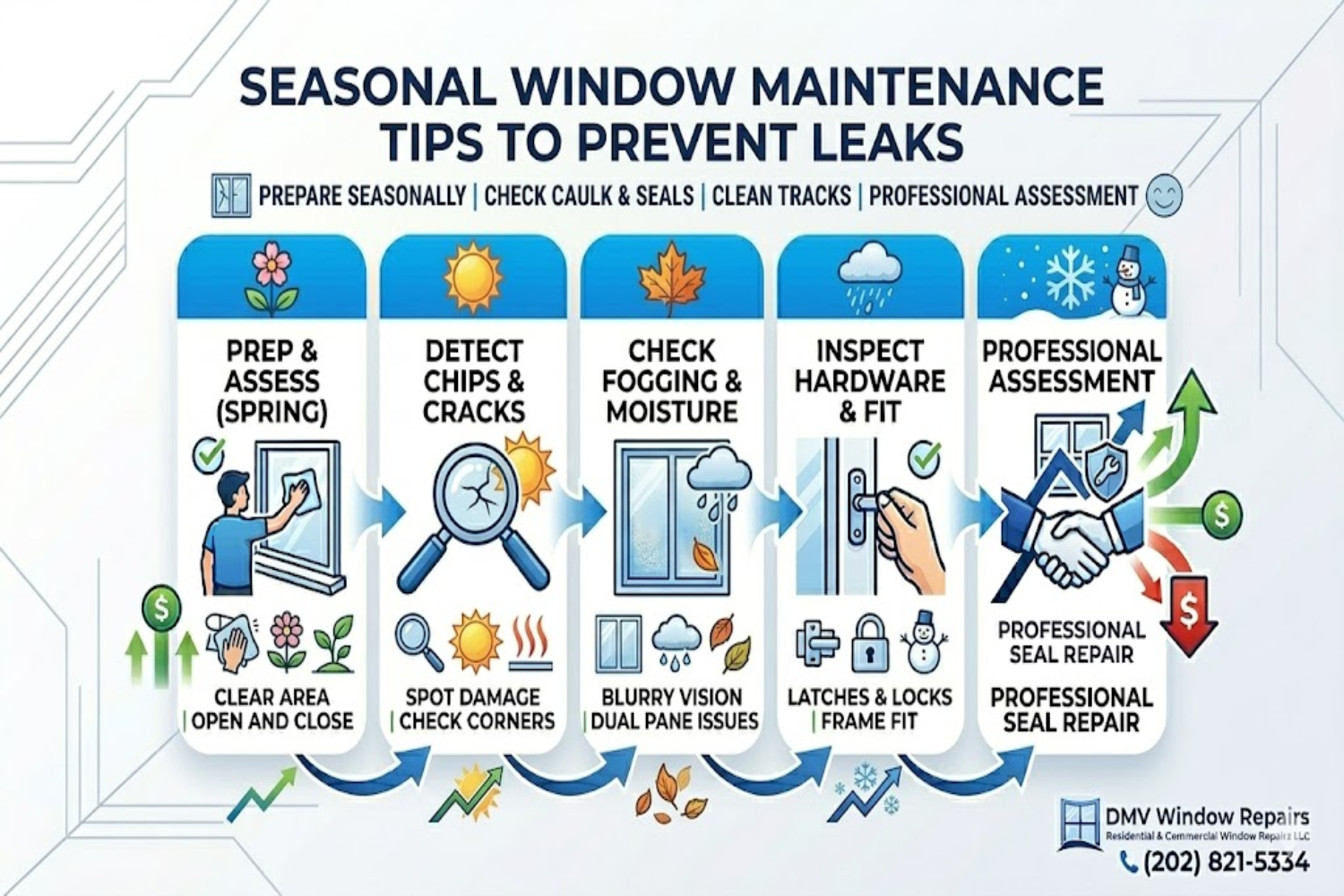
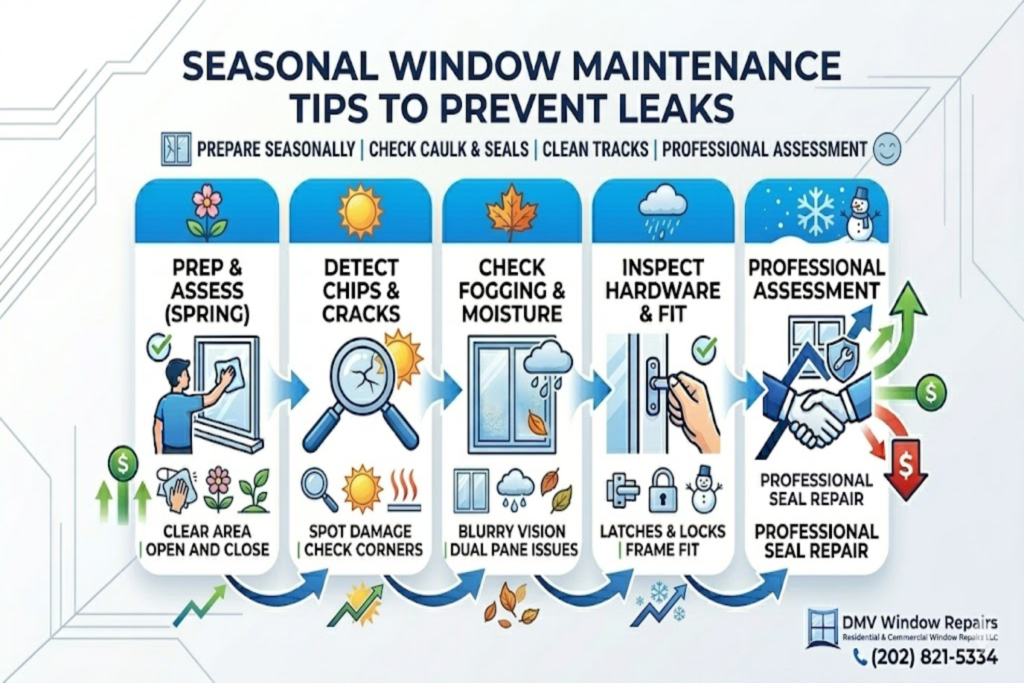
Seasonal window maintenance plays a crucial role in preventing leaks drafts moisture damage and costly energy loss while keeping your home comfortable secure and structurally sound throughout the year. Regular inspections cleaning sealing and minor repairs address small issues before they escalate into major problems like water intrusion wood rot mold growth or compromised insulation. By following a structured seasonal routine homeowners can extend window lifespan reduce utility bills protect interior finishes and maintain optimal indoor air quality.
Key tasks include checking frames sills caulk weatherstripping glass seals hardware and drainage paths for signs of wear deterioration or blockage. Preventive maintenance requires only basic tools affordable materials and a few hours per season yet delivers substantial long-term benefits including fewer emergency repairs better curb appeal and enhanced home resale value. Different seasons demand specific focus areas spring for cleaning and preparation summer for heat and UV protection fall for sealing against winter and winter for ice snow and freeze-thaw protection.
Consistent attention to these details creates a proactive defense against common leak sources such as failed caulk cracked putty worn gaskets clogged weep holes and frame expansion gaps. In Woodbridge VA where humidity swings temperature extremes and occasional heavy rain or snow test window integrity year-round these seasonal practices prove especially effective for preventing persistent leaks and water-related damage.
Why Seasonal Maintenance Prevents Leaks
- Seasonal maintenance targets the natural deterioration windows experience from weather cycles temperature fluctuations UV exposure humidity and mechanical wear preventing small vulnerabilities from becoming full-blown leak points.
- Frames expand contract settle and weather causing joints to open caulk to crack and seals to harden over time.
- Regular checks catch these changes early allowing simple fixes that stop water air and moisture infiltration.
- Proactive care also preserves glazing compounds weatherstripping and hardware function reducing the risk of interior water stains rot mold and structural compromise.
- Consistent seasonal routines build cumulative protection making homes more resilient against storms high winds driving rain freeze-thaw cycles and prolonged humidity.
Common Leak Sources Addressed Seasonally
Failed exterior caulk cracked glazing putty worn weatherstripping clogged weep holes loose hardware and frame-to-sill gaps represent primary entry points for water. Seasonal inspections identify and correct these before heavy precipitation or temperature extremes exploit them.
Benefits of Consistent Preventive Care
Preventing leaks avoids expensive interior repairs mold remediation wood replacement and energy loss while maintaining comfort lower bills and healthier indoor air by blocking moisture dust and allergens.
Spring Window Maintenance Checklist
Spring brings warmer temperatures increased rainfall and pollen making it ideal for thorough cleaning inspection and preparation before summer heat and storms arrive. Start by removing winter debris ice dam residue and accumulated dirt from frames sills tracks and screens using gentle cleaners and soft brushes. Inspect all caulk beads for cracks gaps shrinkage or peeling reapplying high-quality exterior-grade silicone or hybrid sealant where needed.
Check weatherstripping for compression set hardening or detachment replacing foam V-strip or tubular EPDM as necessary. Test window operation lubricating hinges cranks and tracks while tightening loose hardware. Clean glass inside and out using non-abrasive solutions to remove winter grime and improve solar control. Examine weep holes drainage channels and sill pans ensuring unobstructed water escape paths. Address any early signs of rot discoloration or soft wood with appropriate treatments or professional evaluation.
Exterior Frame and Sill Inspection
Scrub exterior frames sills and thresholds removing mildew algae dirt and winter salt residue checking for rot cracks peeling paint or water stains that indicate past or potential leaks.
Interior Glass and Seal Checks
Clean interior glass tracks and jambs inspecting for condensation fogging between panes or unusual moisture buildup signaling internal seal failure requiring further attention.
Summer Window Maintenance Focus Areas
Summer heat intense UV rays high humidity and occasional thunderstorms accelerate caulk degradation glazing putty drying and frame expansion creating new leak risks. Regularly clean exterior glass and frames to reduce heat gain and maintain visibility while preventing dirt buildup that traps moisture. Re-inspect recently applied caulk for proper curing and adhesion touching up any shrinkage or separation.
Ensure screens remain secure and intact blocking insects while allowing ventilation. Check low-E coating integrity by looking for haze or discoloration and verify argon/krypton retention indirectly through absence of fogging. Lubricate operable hardware to prevent binding that stresses frames and seals. Monitor for heat-induced expansion gaps at joints applying flexible sealant if needed. Trim nearby vegetation to improve airflow and reduce moisture trapping against sills.
UV and Heat Protection Measures
Apply or refresh UV-protective films if needed clean low-E surfaces carefully and consider shading devices to minimize thermal stress on seals and glazing compounds.
Storm Preparation Before Heavy Rains
Double-check weep holes drainage paths and exterior caulk integrity ensuring water diverts properly away from frames preventing pooling and infiltration during downpours.
Fall Window Maintenance to Prepare for Winter
Fall offers mild temperatures perfect for sealing insulating and weatherizing before cold wet winter weather arrives. Thoroughly clean all surfaces removing summer pollen dirt and debris that could trap moisture. Re-caulk exterior joints with cold-weather-rated sealants allowing full cure before freezing temperatures. Replace worn weatherstripping installing fresh compression seals foam tape or V-strip for draft-proofing.
Add or refresh interior shrink-film insulation kits on single-pane or drafty windows creating temporary air barriers. Lubricate all moving parts and tighten hardware to prevent winter binding. Install storm windows or panels if used checking fit and seals. Clear gutters downspouts and window wells ensuring proper roof drainage away from sills. Inspect glazing putty for cracking reapplying linseed oil-based compound where needed.
Pre-Winter Sealing and Insulation Steps
Apply fresh exterior caulk around frames install high-performance weatherstripping and consider insulating film or panels to reduce heat loss and condensation risks.
Drainage and Gutter Clearance
Verify gutters downspouts leaders and window well drains function correctly diverting water away from foundations and sills preventing ice dams and basement leaks.
Winter Window Maintenance During Cold Months
Winter demands vigilance against ice snow freeze-thaw cycles and wind-driven rain that exploit any existing weaknesses. Gently remove snow ice buildup from sills frames and exterior glass using plastic scrapers to avoid scratching. Monitor for ice dam formation at roof edges ensuring proper attic insulation and ventilation to prevent melt-refreeze cycles. Check interior for condensation or frost patterns indicating heat loss or seal issues addressing promptly with ventilation or dehumidification.
Avoid slamming windows in cold weather to prevent frame stress. Keep weep holes free of ice debris allowing any moisture to escape. Inspect caulk and weatherstripping for cold-induced cracking reapplying as temperatures allow. Use weather radio or alerts to prepare for severe storms securing loose components if necessary.
Ice Snow and Freeze-Thaw Protection
Carefully clear accumulated snow ice from sills and frames prevent ice dams through attic management and monitor for freeze-thaw damage to exterior seals.
Interior Condensation Management
Increase ventilation use exhaust fans keep blinds open during sunny periods and maintain moderate indoor humidity to minimize condensation on cold glass surfaces.
Tools and Materials for Effective Seasonal Maintenance
Assembling the right tools and quality materials makes seasonal maintenance efficient effective and long-lasting. Basic kit includes soft-bristle brushes extension poles squeegees microfiber cloths buckets mild cleaners plastic putty knives caulk guns utility knives painter’s tape measuring tape lubricants silicone/hybrid caulk weatherstripping rolls and safety gear.
Implementing seasonal window maintenance routines effectively prevents leaks protects your home investment and ensures year-round comfort energy efficiency and structural integrity. Spring cleaning and preparation summer heat protection fall sealing and winter vigilance create a comprehensive defense against water air and moisture intrusion. Using quality materials proper techniques and consistent inspections addresses common failure points before they cause damage
| Tool / Material | Primary Use | Recommended Type / Brand Notes | Approximate Cost Range |
| Exterior-Grade Silicone Caulk | Sealing perimeter joints frames sills | 100% neutral-cure UV-resistant mildew-resistant | $8–$15 per tube |
| Hybrid Polymer Sealant | Paintable flexible high-movement joints | MS polymer low-odor excellent adhesion | $9–$18 per tube |
| EPDM Foam Weatherstripping | Compression seals operable sashes | Closed-cell self-adhesive 1/4–3/8 inch thickness | $10–$25 per roll |
| V-Strip Tension Weatherstrip | Sliding double-hung windows | Bronze or vinyl durable low-visibility | $12–$30 per pack |
| Utility Knife & Extra Blades | Cutting old caulk tape stripping | Retractable quick-change heavy-duty | $6–$15 |
| Caulk Gun – Drip-Free | Smooth even application | Ratchet style minimum 10:1 thrust | $12–$30 |
| Putty Knife / 5-in-1 Tool | Scraping old caulk glazing putty | Stainless steel flexible blade | $5–$12 |
| Painter’s Tape 14–21 Day | Clean lines masking protection | Blue or green clean removal | $4–$10 per roll |
| Soft Brush & Extension Pole | Cleaning frames sills high areas | Non-abrasive bristles telescoping handle | $8–$20 |
| Microfiber Cloths & Squeegee | Streak-free glass cleaning | Lint-free absorbent | $5–$15 set |
| Silicone Lubricant Spray | Hardware tracks hinges cranks | Dry lube non-staining | $6–$12 can |
| Plastic Scraper | Removing ice snow without scratching | Soft-edged non-marring | $3–$8 |
Signs That Indicate Immediate Attention
Look for water stains on sills bubbling peeling paint soft wood musty odors visible gaps in caulk drafts whistling wind fogging between panes difficulty operating windows or excessive condensation as urgent signals to act before leaks worsen. Implementing seasonal window maintenance routines effectively prevents leaks protects your home investment and ensures year-round comfort energy efficiency and structural integrity.
Spring cleaning and preparation summer heat protection fall sealing and winter vigilance create a comprehensive defense against water air and moisture intrusion. Using quality materials proper techniques and consistent inspections addresses common failure points before they cause damage
Professional Help When Needed
While most seasonal tasks suit DIY some situations warrant professionals including widespread rot advanced seal failure structural frame issues persistent leaks or complex IGU problems. Experts provide accurate diagnosis specialized tools warranties and techniques for lasting results.
Conclusion
Implementing seasonal window maintenance routines effectively prevents leaks protects your home investment and ensures year-round comfort energy efficiency and structural integrity. Spring cleaning and preparation summer heat protection fall sealing and winter vigilance create a comprehensive defense against water air and moisture intrusion. Using quality materials proper techniques and consistent inspections addresses common failure points before they cause damage.
These proactive habits save significant money on repairs reduce mold risks lower utility costs and maintain pleasant indoor environments through every season. In Woodbridge VA where variable weather patterns challenge window performance many homeowners achieve reliable leak prevention through dedicated seasonal care. Woodbridge VA residents benefit from these practices during humid summers and freezing winters. Woodbridge VA continues seeing fewer water issues thanks to regular maintenance.
Frequently Asked Questions (FAQs)
How often should I inspect and maintain my windows seasonally?
Perform basic visual checks monthly and full maintenance routines at the start of each season spring summer fall winter spending 2–4 hours per session to catch issues early.
What is the best caulk for exterior window sealing in varying climates?
100% neutral-cure silicone or hybrid MS polymer sealants offer superior UV temperature moisture and flexibility performance lasting 20+ years without cracking or losing adhesion.
Can I prevent most window leaks with DIY seasonal maintenance alone?
Yes consistent cleaning sealing weatherstripping replacement drainage clearance and hardware care prevent the majority of leaks when done properly each season.
What signs indicate a window leak requires professional attention immediately?
Interior water stains soft rotting wood widespread caulk failure persistent fogging between panes structural frame movement or recurring leaks after DIY fixes warrant expert evaluation.
How do I safely remove ice or snow buildup from exterior windows in winter?
Use plastic scrapers warm water from inside or gentle brushing never metal tools or salt which can scratch glass damage frames or harm seals.
Should I apply new caulk over old caulk during seasonal maintenance?
No always remove old deteriorated caulk completely clean surfaces then apply fresh high-quality sealant for proper adhesion and long-term performance.
What weatherstripping type lasts longest for operable windows?
EPDM closed-cell foam or tubular rubber provides excellent compression recovery weather resistance and durability often lasting 10–20 years with seasonal checks.
How can I reduce condensation on windows during cold months?
Maintain moderate indoor humidity 30–50% use exhaust fans ventilate improve air circulation keep blinds open during day and ensure seals weatherstripping remain intact.
Is it necessary to clean window weep holes every season?
Yes clearing weep holes drainage channels and sill pans seasonally prevents water backup infiltration and freeze damage especially after heavy rain or snowmelt.
What quick seasonal tip gives the biggest leak prevention impact?
Reapplying fresh exterior-grade caulk around all frame-to-wall joints every fall or spring addresses the most common leak entry point and provides immediate protection.