
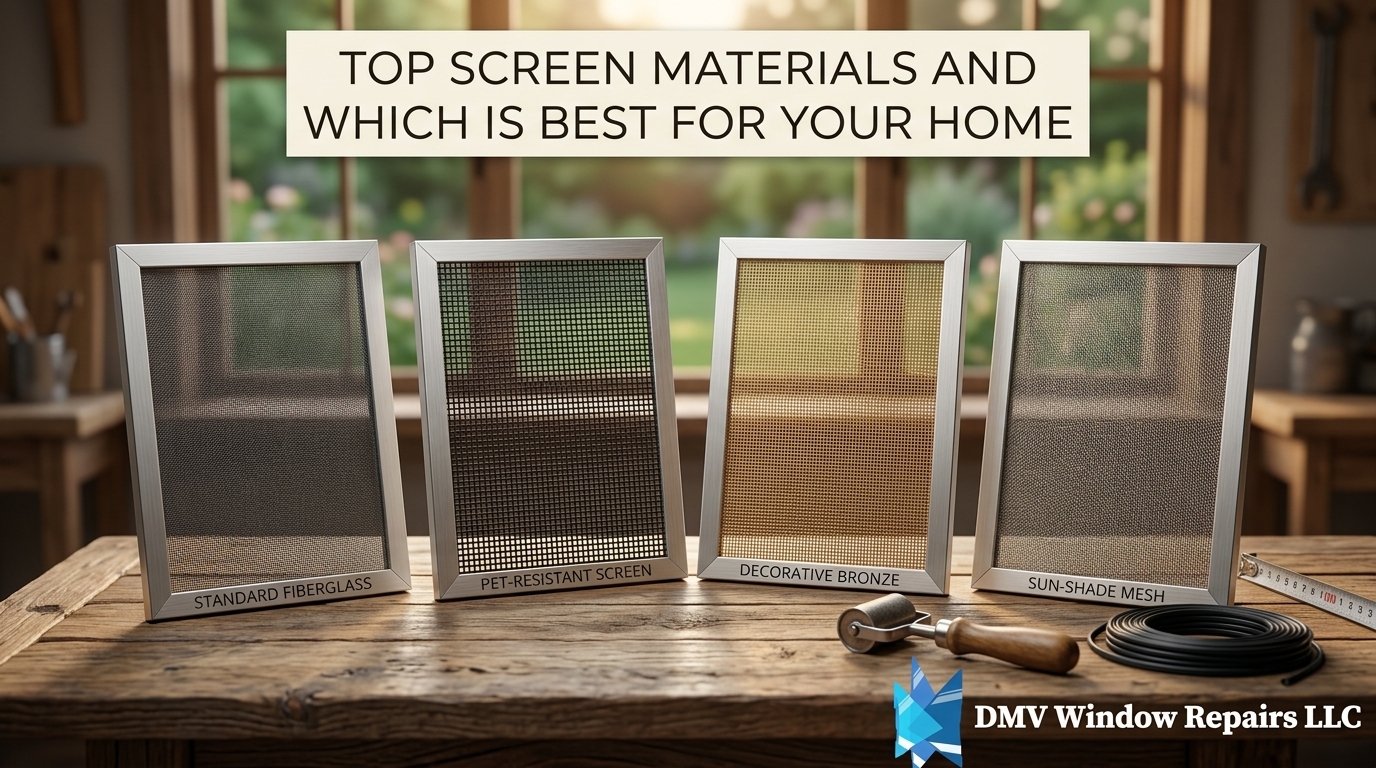
Window and door screens play a vital role in maintaining indoor comfort by allowing fresh air circulation while blocking insects, pollen, dust, debris, and small animals from entering living spaces. The material you choose for your screens directly affects durability, airflow, insect protection, visibility, pet resistance, UV blocking, ease of cleaning, and overall longevity. Common options include standard fiberglass, heavy-duty aluminum, pet-resistant polyester, copper, bronze, No-See-Um (extra-fine mesh), and solar screens designed to reduce heat gain. Each material offers unique strengths depending on your climate, household needs (pets, allergies, coastal exposure), window placement, and budget priorities.
Proper selection ensures screens remain taut, resist tearing, maintain clear views, and perform reliably for 10–20+ years with minimal maintenance. Many homeowners overlook material differences and end up with mismatched or short-lived screens that require frequent repairs. Understanding the pros, cons, and best applications of each type helps you choose the most suitable option for every window and door in your home. The right screen material enhances ventilation, improves air quality, protects against regional pests, and contributes to both comfort and curb appeal.
Standard Fiberglass Screen Material
Fiberglass remains the most popular and widely used screen material due to its excellent balance of cost, performance, and ease of installation. Made from vinyl-coated fiberglass strands woven into a flexible mesh, it resists corrosion completely and handles temperature fluctuations without stretching or shrinking excessively. Fiberglass allows strong airflow while providing effective insect blocking for most common pests.
Its slightly flexible nature makes it forgiving during installation and resistant to denting or permanent deformation from impacts. Standard fiberglass comes in charcoal or silver-gray colors that blend discreetly with most window frames. This material suits the majority of homes where basic insect protection and good ventilation remain the primary goals.
Advantages of Fiberglass Mesh
Extremely affordable compared to metal alternatives—often half the price per square foot. Completely rust-proof and corrosion-resistant even in humid or coastal environments. Flexible weave withstands moderate pet scratching and accidental impacts better than stiff metals. High visibility with minimal obstruction of outdoor views. Easy to clean with mild soap and water without damaging the coating. Available in various colors and can be re-screened quickly during repairs.
Limitations of Standard Fiberglass
Less resistant to aggressive pet clawing than specialized pet-resistant versions—repeated scratching eventually tears strands. Slightly lower tear strength compared to aluminum under heavy stress. Can sag over time if not tensioned properly during installation. Does not block solar heat gain or provide UV reduction like solar screens. Fine dust and pollen pass through more easily than tighter meshes. Overall lifespan averages 8–15 years depending on exposure and maintenance.
Aluminum Screen Material
Aluminum mesh consists of thin metal wires woven into a tight grid pattern, offering superior strength and longevity compared to fiberglass. This material resists tearing, denting, and stretching far better under pressure from wind, branches, or accidental contact. Aluminum screens maintain their shape and tension for decades with minimal sagging when installed correctly.
The metallic surface reflects some sunlight, providing slight heat reduction compared to darker fiberglass. Available in bright silver or charcoal to match frame colors discreetly. Aluminum suits homes needing maximum durability against weather extremes or moderate pet activity.
Strengths of Aluminum Mesh
Exceptional tear resistance—ideal for high-wind areas or homes with falling branches nearby. Maintains tight, flat appearance with almost no sagging over time. Superior longevity—often 15–30 years with proper care. Better resistance to denting from impacts or hail compared to fiberglass. Cleaner look with less visible weave pattern from inside. Conducts less static electricity so less dust attraction in dry climates.
Drawbacks of Aluminum Mesh
Higher cost—typically 30–100% more expensive than fiberglass depending on gauge. Can corrode in coastal or highly humid environments unless properly coated or anodized. Stiffer material makes installation slightly more challenging for beginners. Visible metallic shine may not blend as seamlessly on dark frames. Less forgiving of installation errors—over-tensioning can cause frame distortion. Heavier weight requires stronger frame corners on larger screens.
Pet-Resistant and Heavy-Duty Polyester Screens
Pet-resistant screens use thicker, tightly woven polyester strands coated for extra strength and tear resistance. Designed specifically to withstand repeated clawing, scratching, and pawing from cats, dogs, and other active pets. These materials maintain tension far longer than standard fiberglass under pet pressure.
Many versions offer finer weave for improved insect and pollen blocking without sacrificing airflow noticeably. Available in charcoal or black to reduce visibility of pet hair and dirt. Ideal for households with multiple pets or energetic animals that regularly interact with screens.
Benefits of Pet-Resistant Mesh
Dramatically reduces tearing from pet claws—often lasts 10–20 years even with daily scratching. Tighter weave blocks smaller insects and more pollen/dust than standard fiberglass. Maintains flat, taut appearance longer under stress. Less visible pet hair accumulation due to darker color options. Good balance of airflow and protection for pet-owning families. Professional installation ensures maximum tension and longevity.
Potential Downsides
Higher initial cost—usually 50–100% more than standard fiberglass. Slightly reduced visibility due to thicker strands and darker color. Can feel stiffer and less flexible during installation. May require frame reinforcement on very large windows. Not completely indestructible—extreme scratching over years still causes eventual wear. Best paired with pet training to minimize damage.
Copper, Bronze, and Specialty Metal Screens
- Copper and bronze screens offer natural antimicrobial properties and exceptional longevity in humid or coastal environments.
- These metals resist corrosion far better than standard aluminum while developing attractive patina over time.
- Finer weaves provide superior insect blocking, including tiny no-see-ums and sand flies.
- Copper mesh also deters algae and mold growth on the surface.
- Bronze provides similar benefits with a warmer tone that blends well with traditional architecture.
- These premium materials suit homes prioritizing maximum durability and low maintenance in challenging climates.
Advantages of Copper/Bronze Mesh
Naturally antimicrobial—resists mold, mildew, and bacterial growth. Extremely long lifespan—often 30–50+ years with minimal degradation. Superior corrosion resistance in salt air or high-humidity regions. Finer mesh blocks smallest insects effectively. Develops beautiful patina that many homeowners find aesthetically pleasing. Excellent airflow with tight weave patterns.
Considerations for Specialty Metals
Significantly higher cost—often 3–10 times more than fiberglass. Heavier weight requires stronger frames on larger windows. Patina development may not appeal to everyone aesthetically. Installation requires experience to avoid stretching or damaging expensive material. Not necessary for most inland homes with moderate conditions. Best reserved for coastal, historic, or high-end properties.
Solar and Sun-Control Screens
Solar screens use tightly woven vinyl-coated polyester or fiberglass designed to block 65–95% of solar heat gain while allowing filtered views and airflow. These screens reduce indoor temperatures dramatically during summer without completely darkening rooms. Darker colors (charcoal, black) provide maximum heat rejection while lighter shades preserve more visibility. Solar screens mount externally or internally depending on preference and window type. Ideal for south- and west-facing windows with intense afternoon sun exposure.
Key Benefits of Solar Screen Materials
Significantly lowers cooling costs by blocking heat before it enters glass. Reduces glare on televisions, computers, and furnishings. Protects interiors from UV fading without eliminating natural light. Maintains good outward visibility while obscuring views from outside. Durable construction withstands weather exposure when mounted externally. Excellent choice for energy-conscious homes in sunny regions.
Limitations to Consider
Reduces visible light transmission—rooms appear darker than with standard screens. Slightly restricts airflow compared to open-weave meshes. External mounting requires ladder access for cleaning and removal. Higher cost than basic insect screens. May change exterior appearance noticeably on the home. Best used selectively on sun-exposed windows only.
| Screen Material | Insect Protection | Durability (Years) | Pet Resistance | Airflow Quality | UV/Solar Heat Block | Cost per Sq Ft | Best For | Maintenance Level | Visibility Impact | Corrosion Resistance |
| Standard Fiberglass | Good | 8–15 | Low-Medium | Excellent | Low | $0.30–$0.60 | Budget-friendly, general use | Low | High | Excellent |
| Aluminum | Very Good | 15–30 | Medium-High | Excellent | Low-Medium | $0.60–$1.20 | High-wind, impact-prone areas | Low | High | Good (coated) |
| Pet-Resistant Polyester | Very Good | 10–20 | Very High | Very Good | Low-Medium | $0.80–$1.80 | Homes with active pets | Low | Medium-High | Excellent |
| Copper/Bronze | Excellent | 30–50+ | High | Very Good | Medium | $2.50–$8.00 | Coastal, historic, premium homes | Very Low | Medium | Outstanding |
| No-See-Um (Extra-Fine) | Outstanding | 10–20 | Medium | Good | Low | $0.80–$1.50 | Tiny insect areas (beaches, lakes) | Low | Slightly reduced | Varies |
| Solar/Heat-Control | Very Good | 10–20 | Medium | Good | Very High | $1.00–$3.00 | Sunny exposures, energy savings | Medium | Reduced | Excellent |
Choosing the Right Material for Your Specific Needs
Evaluate your primary concerns—basic insect protection favors standard fiberglass for cost-effectiveness. Active pets demand pet-resistant polyester or heavy aluminum to withstand scratching. Coastal or humid environments benefit from copper/bronze corrosion resistance. Intense sun exposure calls for solar screens on affected windows. Allergy sufferers may prefer finer No-See-Um mesh for maximum pollen/dust blocking. Mixed needs often result in hybrid installations—standard fiberglass on most windows with pet-resistant or solar on specific high-use or sun-exposed areas. Professional consultation helps match materials precisely to your home’s orientation, climate, and lifestyle requirements.
Woodbridge VA homeowners often select pet-resistant and solar screen materials to handle local pollen, humidity, and active family pets effectively.
Woodbridge VA residences benefit from durable aluminum or pet-resistant options that withstand variable seasonal weather changes.
Woodbridge VA properties achieve excellent airflow and comfort when screen materials match regional insect and sun exposure patterns.
Woodbridge VA continues to favor high-quality screen upgrades for improved ventilation and energy efficiency.
Conclusion
Selecting the right screen material transforms window and door screens from basic necessities into high-performing features that enhance comfort, airflow, insect protection, and home aesthetics. Standard fiberglass offers unbeatable value for general use, while aluminum provides superior durability against impacts and weather. Pet-resistant polyester withstands animal scratching reliably, copper/bronze excels in harsh environments, and solar screens dramatically reduce heat gain in sunny exposures.
Each material brings distinct advantages in tear resistance, longevity, visibility, maintenance, and specialized performance. Thoughtful selection based on your climate, household needs, window placement, and budget ensures screens deliver maximum benefit for many years. Professional installation maximizes material potential through proper tension, fit, and frame preparation. The right screen material choice improves daily living by allowing fresh breezes, blocking unwanted intruders, reducing allergens, and maintaining beautiful outdoor views seamlessly.
Frequently Asked Questions
- Which screen material offers the best overall value for most homes?
Standard fiberglass provides the best balance of cost, airflow, insect protection, and ease of installation for typical households. It resists corrosion completely and handles moderate pet activity adequately. Most homeowners find fiberglass delivers reliable performance at the lowest price per square foot.
- Is pet-resistant screen material worth the extra cost?
Yes—if you have cats, dogs, or other pets that scratch or paw at screens regularly. The thicker, stronger weave withstands clawing far better than standard fiberglass and maintains tension longer. Reduced repair frequency and pest entry make it cost-effective long-term for pet-owning families.
- When should I choose aluminum screen material over fiberglass?
Choose aluminum when you need maximum tear resistance, longevity, or impact protection from wind, branches, or hail. Aluminum maintains shape better in extreme weather and resists denting. It suits homes in high-wind areas or those wanting screens to last 20–30+ years.
- Are copper or bronze screens practical for everyday homes?
Copper and bronze excel in coastal, high-humidity, or historic properties where corrosion resistance and antimicrobial properties matter most. Their premium cost and patina development make them less practical for standard inland homes. Most everyday situations favor fiberglass or aluminum for better value.
- How much difference do solar screens make in summer comfort?
Solar screens block 65–95% of solar heat gain before it reaches glass, often reducing indoor temperatures by 10–20°F on sunny days. They cut cooling costs noticeably while still allowing filtered views and airflow. Best for south- and west-facing windows with intense afternoon sun exposure.
- Does finer No-See-Um mesh reduce airflow significantly?
No-See-Um mesh reduces airflow only slightly compared to standard screens while blocking much smaller insects and more pollen/dust. The difference feels minimal in normal use but provides superior protection near lakes, beaches, or during high-allergen seasons.
- How long do different screen materials typically last?
Fiberglass: 8–15 years; Aluminum: 15–30 years; Pet-resistant polyester: 10–20 years; Copper/Bronze: 30–50+ years; Solar screens: 10–20 years. Lifespan varies with exposure, maintenance, and installation quality. Professional installation extends durability significantly.
- Can I mix different screen materials on the same house?
Yes—many homeowners use standard fiberglass on most windows while installing pet-resistant on pet-accessible areas and solar on sun-exposed sides. Mixing allows optimization for specific needs without unnecessary expense on premium materials everywhere.
- Which material is easiest to clean and maintain long-term?
Fiberglass and pet-resistant polyester clean easily with mild soap and water—dirt rinses off without special care. Aluminum resists dust attraction when coated properly. Copper/bronze develop patina but require minimal cleaning. All benefit from gentle annual washing.
- How do I decide which screen material is truly best for my home?
Evaluate your priorities: budget and basic protection favor fiberglass; pets need pet-resistant; coastal/humid areas benefit from copper/bronze; intense sun calls for solar screens. Consider window placement, local pests, allergies, and energy goals. Professional consultation helps match materials precisely to your specific conditions and needs.
Visit our DMV Window Repairs LLC blog to explore our residential and commercial glass services for customers in Woodbridge, VA.