

Window seals form the invisible but essential barrier that keeps insulated glass units (IGUs) functioning at peak efficiency for many years. By creating a hermetic seal around the perimeter, they trap inert gases like argon or krypton between panes, dramatically reducing conductive and convective heat transfer while blocking outside moisture and air infiltration. When seals perform properly, homeowners benefit from lower heating and cooling costs, minimal interior condensation even during cold snaps, quieter interiors due to improved sound dampening, and clearer, fog-free views through the glass.
As soon as seals begin to degrade—often silently at first—moisture sneaks into the sealed cavity, desiccants become saturated, permanent fog appears between the panes, thermal performance collapses, and energy bills rise noticeably. The root causes include relentless environmental pressures, material limitations, human error during installation, and simple neglect of maintenance. Fortunately, most of these factors Woodbridge VA can be significantly slowed or mitigated through informed choices, protective measures, and routine care. Understanding exactly why seals fail gives homeowners the tools to extend window life, avoid premature replacements, and maintain superior home performance for decades.
Core Purpose of Window Seals in Modern Double-Pane Windows
Seals ensure the gas-filled space remains airtight and dry, preserving the insulating properties that make double- or triple-pane windows far superior to single glazing. Primary seals (typically polyisobutylene or butyl) act as the main moisture barrier, while secondary seals (silicone, polyurethane, or polysulfide) provide structural adhesion and weather resistance. Together they create a durable, long-lasting insulated cavity. Intact seals minimize surface condensation, reduce HVAC runtime, and enhance overall comfort. When compromised, the entire thermal advantage is lost rapidly.
Primary Drivers Behind Window Seal Degradation
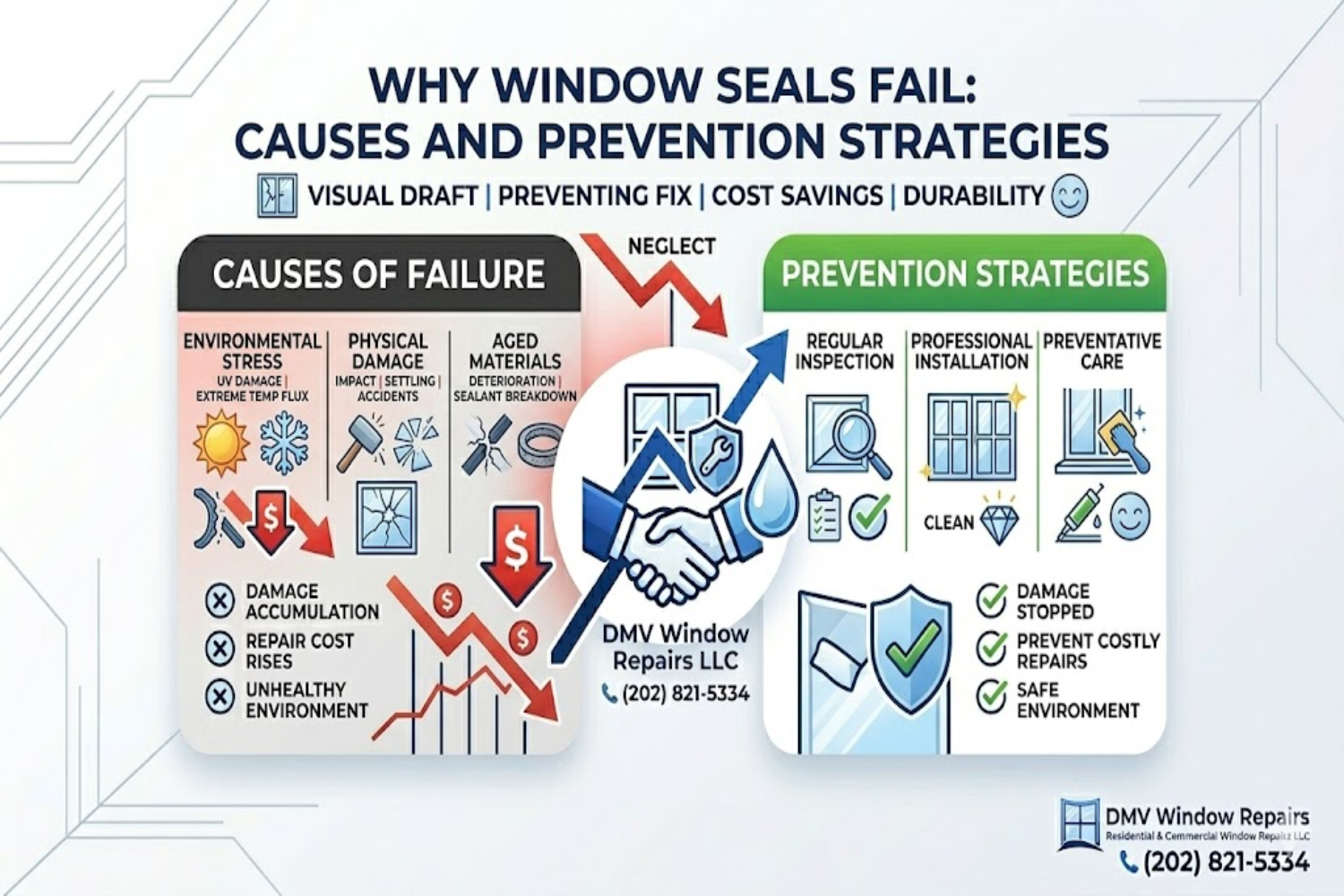
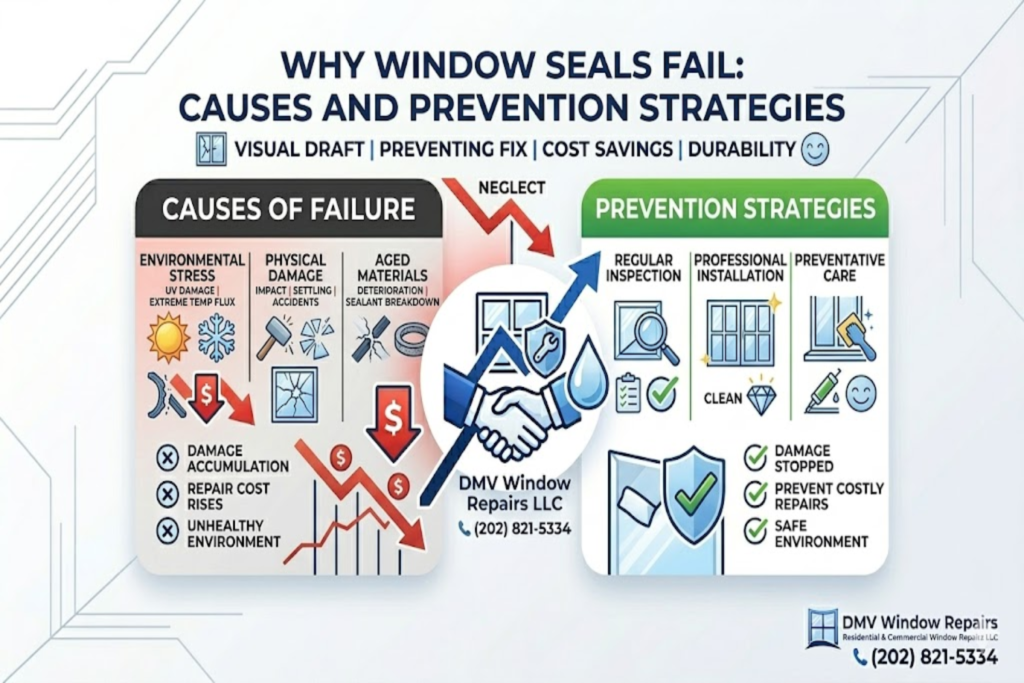
Seal failure almost never happens suddenly or from one isolated cause; it develops gradually from the cumulative action of multiple stressors interacting over time. Thermal movement, ultraviolet exposure, water contact, installation flaws, material aging, and occasional physical damage all contribute. Recognizing which factors dominate in your home allows for the most precise and effective countermeasures.
Preserving seal integrity maintains peak energy efficiency, keeping annual heating and cooling costs significantly lower than with failed units. Preventing widespread fogging avoids the high expense of individual IGU replacements or complete window changes. Homes stay noticeably more comfortable with stable temperatures, reduced humidity problems, and fewer allergy triggers from mold spores. Well-cared-for windows also enhance curb appeal, support stronger resale value, and provide peace of mind through reliable performance.
Thermal Expansion-Contraction Cycles (Solar Pumping)
- Every day the sun heats the glass unevenly while nighttime cooling reverses the process, causing panes, spacers, and frames to expand and contract at slightly different rates.
- This differential movement—known as solar pumping—generates constant flexing, shear, and tensile stresses along the edge seal.
- Over 15–30 years this fatigue produces microscopic cracks and adhesive separation.
- South-facing and unshaded windows endure the most intense cycles and typically fail first.
Ultraviolet Radiation Attacking Sealant Polymers
UV rays from direct sunlight penetrate ordinary glass and break molecular bonds in butyl, silicone, and other organic sealants. This photodegradation leads to hardening, surface crazing, loss of elasticity, and eventual detachment from glass or spacer surfaces. Prolonged exposure without protection can cut seal life in half or more on heavily sun-exposed elevations.
Moisture Contact and Resulting Chemical Breakdown
Rainwater pooling on sills, condensation running down frames, leaks from poor flashing, or high ambient humidity allow water to contact edge seals for extended periods. Moisture softens adhesives, triggers hydrolysis in susceptible compounds, corrodes aluminum spacers, and saturates the molecular sieve desiccant inside the unit. Once desiccants fail, fogging begins and progresses steadily.
Installation-Related Errors and Shortcuts
Inadequate perimeter caulking, improper flashing installation, Woodbridge VA missing drip caps or weep holes, frame misalignment, insufficient shimming, over-compression during glazing, or thin/uneven sealant beads create stress concentrations and water entry paths. These common mistakes frequently cause seal failure within 5–12 years instead of the intended 20+ years.
Natural Material Aging and Quality Differences
Even in ideal conditions, organic sealants gradually lose flexibility and adhesion due to natural polymer chain scission and oxidation. Lower-grade materials or inconsistent factory application (contaminated sealant, incomplete desiccant fill, misaligned spacers) accelerate this process noticeably. Premium dual-seal systems with silicone secondaries resist aging far better.
Physical Impacts and Mechanical Overstress
Hailstones, falling branches, accidental impacts from ladders or lawn equipment, over-tightened screws, frame distortion from house settling, or rough window operation can crack glass edges, displace spacers, or initiate seal detachment. Even small damage often worsens under normal thermal and environmental loads.
Clear Indicators That Window Seals Have Failed
Permanent fog, haze, or condensation trapped between the glass panes that cannot be wiped away from either the interior or exterior surface. Visible water droplets collecting at the bottom edge during cold weather. Discolored or rusty spacer bars, low-E coating bubbling or delamination near edges. These unmistakable signs confirm irreversible breach and gas loss.
The Progressive Mechanism of Inter-Pane Fogging
Initial small moisture ingress is absorbed by desiccants, but repeated exposure saturates them. Excess humidity then condenses on the cooler inner glass surface whenever temperatures drop. Fog density increases over months to years, often becoming severe after 10–20 years depending on local conditions.
Other Telltale Symptoms of Compromised Seals
Heating and cooling bills climb unexpectedly due to lost insulation value. Rooms feel noticeably colder or draftier near affected windows. Slight musty odors or early mold spots may develop on interior frames and sills from elevated moisture levels trapped nearby.
Overview of Causes, Effects, and Prevention Strategies Table
| Failure Cause | Primary Stress Factors | Resulting Seal Damage | Most Powerful Prevention Tactics |
| Thermal Cycling | Daily & seasonal temperature swings | Fatigue cracks, adhesive separation | Exterior awnings, solar screens, quality spacers |
| UV Radiation | Long-term direct sunlight exposure | Polymer hardening, cracking, adhesion loss | UV-blocking films, overhangs, strategic shading |
| Moisture Intrusion | Rain, condensation, poor drainage | Softening, desiccant saturation, corrosion | Proper flashing/caulking, humidity control, grading |
| Installation Deficiencies | Misalignment, thin caulk, missing flashing | Uneven stress, voids, early detachment | Certified installers, strict adherence to specs |
| Material Aging & Quality | Natural polymer breakdown, low-grade seals | Gradual loss of elasticity & flexibility | Dual-seal systems, 20+ year warranties, premium brands |
| Physical / Mechanical Stress | Impact, over-tightening, frame movement | Edge cracks, spacer displacement | Careful handling, proper hardware, periodic checks |
Immediate Steps to Take When You Notice Seal Failure Signs
Take clear photographs of any fogging, discoloration, or water from multiple angles and lighting conditions. Perform a quick draft test near the edges using incense smoke or your hand on a windy or cold day. Do not attempt to drill holes, inject sealants, or remove glass yourself—these rarely provide lasting fixes and often worsen the situation. Contact a qualified window specialist for professional moisture testing and accurate assessment.
Preserving seal integrity maintains peak energy efficiency, keeping annual heating and cooling costs significantly lower than with failed units. Preventing widespread fogging avoids the high expense of individual IGU replacements or complete window changes. Homes stay noticeably more comfortable with stable temperatures, reduced humidity problems, and fewer allergy triggers from mold spores. Well-cared-for windows also enhance curb appeal, support stronger resale value, and provide peace of mind through reliable performance.
Major Long-Term Advantages of Protecting Window Seals
Preserving seal integrity maintains peak energy efficiency, keeping annual heating and cooling costs significantly lower than with failed units. Preventing widespread fogging avoids the high expense of individual IGU replacements or complete window changes. Homes stay noticeably more comfortable with stable temperatures, reduced humidity problems, and fewer allergy triggers from mold spores. Well-cared-for windows also enhance curb appeal, support stronger resale value, and provide peace of mind through reliable performance.
Conclusion – Prevention Is Far Cheaper and Smarter Than Replacement
Window seal failure is a slow, predictable process driven by preventable or controllable factors rather than random bad luck. Thermal cycling, UV exposure, moisture contact, installation quality, material aging, and occasional physical stress are the main culprits, but each can be significantly mitigated through smart choices and consistent care.
By installing high-performance windows correctly, adding exterior shading, controlling indoor humidity, maintaining proper drainage and caulking, conducting biannual inspections, and addressing small issues immediately, most homeowners can realistically achieve 20–30+ years of reliable seal performance even in demanding climates. The rewards include sustained energy savings, crystal-clear views without fog, healthier indoor air, lower maintenance costs, and dramatically reduced risk of expensive emergency repairs. Waiting until heavy fog or visible water appears inside the glass almost always means full replacement is the only practical solution. Acting proactively today protects your windows, your wallet, and your home’s comfort for many years to come.
Preserving seal integrity maintains peak energy efficiency, keeping annual heating and cooling costs significantly lower than with failed units. Preventing widespread fogging avoids the high expense of individual IGU replacements or complete window changes. Homes stay noticeably more comfortable with stable temperatures, reduced humidity problems, and fewer allergy triggers from mold spores. Well-cared-for windows also enhance curb appeal, support stronger resale value, and provide peace of mind through reliable performance.
Frequently Asked Questions About Window Seal Failure
What is overwhelmingly the biggest reason window seals eventually fail?
Thermal cycling—repeated daily and seasonal expansion/contraction of glass, spacers, and frames—creates the most persistent and damaging stress on edge seals. This solar pumping effect fatigues materials over thousands of cycles. Sun-exposed windows suffer most intensely. Exterior shading and premium spacers provide the strongest defense against this universal cause.
How long does it usually take for UV rays to seriously weaken window seals?
Noticeable degradation often starts after 8–15 years of constant direct sunlight, with cracking and brittleness becoming pronounced after 15–20 years. High-quality UV-stabilized sealants last longer. Adding awnings, overhangs, or exterior solar screens can easily extend effective life by 5–10+ years.
Can installation mistakes cause seal failure even on expensive new windows?
Yes—very commonly. Inadequate caulking, improper flashing, frame misalignment, missing weep systems, or over-compression during glazing frequently leads to failure within 5–10 years. Professional certified installers who follow manufacturer guidelines precisely prevent the majority of these early breakdowns.
Does lowering indoor humidity actually extend window seal lifespan?
Definitely—keeping relative humidity between 30–50% reduces condensation frequency on cold interior glass surfaces, which directly lowers repeated stress on edge seals. Fewer condensation cycles mean slower desiccant saturation and delayed fogging. This simple step proves especially valuable in humid or coastal areas.
Which window features make seals noticeably more durable and long-lasting?
Dual-seal construction (butyl primary + silicone secondary), warm-edge spacers (such as “swiggle” or intercept styles), high-performance low-E coatings, and manufacturer warranties of 20 years or lifetime on the seal itself. Brands with rigorous quality control and testing consistently outperform budget options.
What easy homeowner habits add the most years to window seal life?
Gentle twice-yearly cleaning to remove moisture-trapping dirt, prompt repair of cracked exterior caulk, keeping sills dry and free of debris, and early detection of any shrinkage or gaps through regular visual/tactile checks. These low-effort routines often add 5–10 extra years of reliable performance.
Is exterior shading really one of the best investments for seal protection?
Yes—awnings, roof overhangs, exterior solar screens, shutters, or properly placed shade trees reduce both thermal cycling intensity and cumulative UV exposure far more effectively than interior blinds or films. The resulting longer seal life and energy savings frequently recover the cost within a few years.
When does it make financial sense to replace windows instead of trying seal fixes?
When several windows show permanent inter-pane fogging combined with frame rot, difficult operation, significantly higher utility bills, or overall age of 15–25+ years, full replacement is almost always more economical long-term. New windows deliver vastly superior seals, efficiency ratings, and warranties.
Can applying window film help slow down seal degradation on older windows?
High-quality exterior-grade UV-blocking or solar-control films reduce heat gain and UV penetration, thereby slowing thermal stress and photodegradation noticeably. They provide useful protection for unshaded or south-facing windows but cannot reverse existing seal damage or replace routine maintenance.
What is a realistic lifespan for seals in top-quality, well-maintained windows?
In moderate climates with proper installation, regular care, exterior shading, and humidity control, premium seals commonly last 20–30 years or longer before significant fogging develops. Harsh exposure or neglected maintenance shortens this to 10–15 years. Consistent prevention reliably achieves the upper end of that range.