
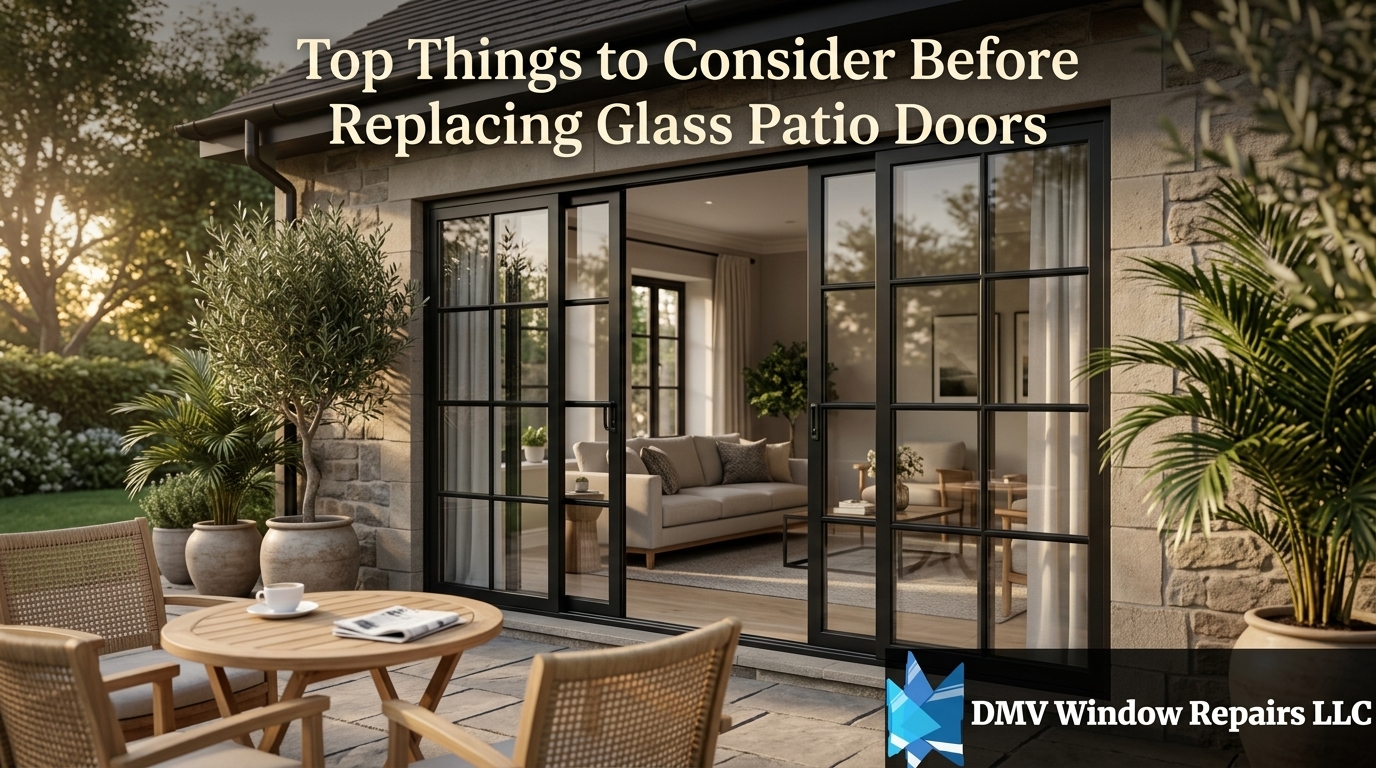
Replacing glass patio doors stands out as one of the smartest upgrades any homeowner can make today. These large glass panels do much more than just let you step outside—they control light, temperature, views, security, and even the overall feel of your living space. Old or worn-out doors waste energy, allow noise to enter, create security weak points, and lower your home’s appeal to future buyers.
A well-planned replacement brings better insulation, smoother operation, stronger protection, and a fresh modern look that lasts for many years. Rushing the decision often leads to wrong sizing, poor material choices, or installation mistakes that cost thousands to fix later. Taking time to research every important detail helps you choose doors that truly match your home, climate, and family lifestyle perfectly. Start with a close look at your existing doors so you understand exactly what needs improvement before spending money.
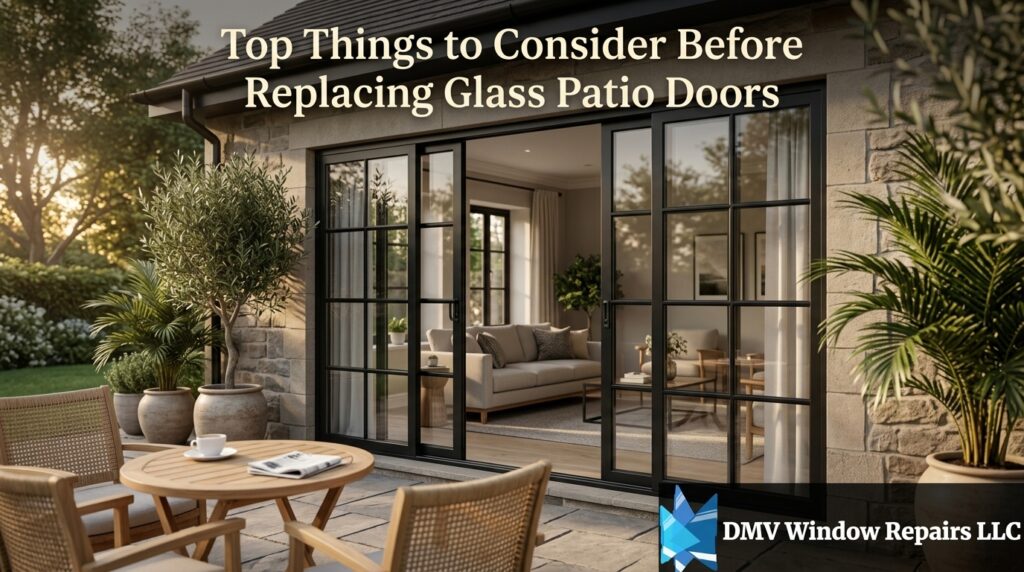
Understanding the Benefits of New Glass Patio Doors
Contemporary glass patio doors transform how natural daylight enters and moves through your home. They create a strong visual and physical connection between indoor rooms and outdoor living areas like decks, patios, or gardens. High-quality weather seals and advanced frame designs stop cold air leaks that make rooms feel chilly even when the heat runs constantly.
Modern hardware allows effortless opening and closing even with large heavy panels. Sound transmission from outside drops dramatically thanks to thicker glass and tighter construction. Homes with updated patio doors almost always show higher market value when owners decide to sell. Everyday comfort improves noticeably because indoor temperatures stay stable regardless of weather changes outside.
Vinyl Frames for Durability
Vinyl continues to dominate the market thanks to its outstanding resistance to moisture, insects, and UV fading. You never have to paint or refinish vinyl frames throughout their entire service life. Extremely tight manufacturing standards keep weatherstripping pressed firmly in place for decades. Minimal expansion and contraction during temperature swings prevent gaps from forming. Realistic wood-grain laminates give the warm traditional appearance many people love without the upkeep. Vinyl stands up well to constant use by active families and curious pets. Overall value remains very high because repair needs stay close to zero year after year.
Fiberglass Options for Strength
Fiberglass offers unmatched strength that handles heavy winds, hail impacts, and accidental bumps without permanent damage. It refuses to rot, corrode, or warp even when exposed to constant humidity or salt air near coasts. Exterior paints and finishes bond exceptionally well and resist peeling far longer than other materials. Extremely low thermal conductivity supports some of the best possible energy performance ratings available. Custom fabrication allows perfect fits in unusual or out-of-square openings. Fiberglass accepts virtually any color or texture finish to blend seamlessly with existing siding and trim. Many professionals now recommend fiberglass for homes in demanding weather zones.
Wood for Traditional Appeal
Genuine wood delivers authentic beauty and character that no engineered material fully duplicates. Deep natural grain patterns and rich tones create inviting warmth in family rooms, kitchens, and dining areas. Premium wood species provide naturally good insulation when paired with modern low-conductivity treatments. Regular staining or painting refreshes the look and adds another protective layer against the elements. Wood complements almost every architectural style from colonial to craftsman homes beautifully. With proper factory-applied finishes and periodic homeowner maintenance, wood patio doors perform reliably for 20–40 years or longer.
Evaluating Your Current Setup
Measure the existing rough opening width, height, and depth at multiple points because walls often settle unevenly over time. Examine every inch of the frame, sill, and jamb for soft spots, discoloration, or visible water stains that signal rot. Test the current threshold carefully—any high or low spots allow puddles to form and eventually leak indoors.
Slide or swing the doors several times while listening and feeling for grinding, sticking, dragging, or excessive looseness. Record which direction your doors primarily face since intense afternoon sun demands specialized solar-control glass. Note previous repair history because repeated fixes usually mean the entire unit has reached the end of its useful life. A thorough inspection gives you the facts needed to decide between repair and full replacement.
Choosing the Right Materials
Your material decision shapes appearance, comfort, maintenance schedule, energy bills, and long-term ownership satisfaction all at once. Different materials shine in different situations depending on your local weather patterns and how you use the space. Always compare physical samples side-by-side under both daylight and indoor lighting before finalizing any order.
Think realistically about how the material will look and perform after ten or fifteen years of exposure. Weigh the initial price difference against future savings from lower energy use and almost no maintenance. The smartest choice combines the visual style you love with practical performance that matches your real daily life.
| Material | Durability Rating | Energy Efficiency Rating | Maintenance Required | Typical Price Range (per standard 6–8 ft unit) | Lifespan Expectancy | Best Suited For | Weather Resistance | Noise Reduction | Impact Resistance | Color/Fade Resistance | Thermal Conductivity | Expansion/Contraction Rate | Insect/Rot Resistance | Weight (approx.) | Recycling/Environmental Impact | Best For Coastal Areas | Soundproofing Score (1-10) | Warranty Length (Typical) |
| Vinyl | High | Excellent | Very Low | $1,800 – $4,200 | 25–40 years | Humid, moderate, variable climates | Excellent | Very Good | Good | Very Good | Low | Very Low | Excellent | Light | Good | Yes | 7 | 20–Lifetime |
| Fiberglass | Very High | Excellent | Low | $3,200 – $7,500 | 30–50+ years | Extreme cold, heat, coastal, stormy areas | Outstanding | Excellent | Outstanding | Outstanding | Very Low | Extremely Low | Outstanding | Medium | Very Good | Outstanding | 9 | 25–Lifetime |
| Wood (Premium) | Medium-High | Very Good | Medium | $4,500 – $10,000+ | 20–50 years | Moderate climates, low humidity regions | Good (with finish) | Very Good | Good | Good (maintained) | Low | Moderate | Fair (treated) | Heavy | Excellent | No (unless treated) | 8 | 10–30 years |
| Aluminum (Thermal Break) | High | Good | Low | $2,200 – $5,800 | 30–50 years | Mild climates, modern/contemporary homes | Excellent | Fair-Good | Very Good | Excellent | Medium-High | Low | Excellent | Light-Medium | Good | Yes | 6 | 20–Lifetime |
| Aluminum (Non-Thermal) | High | Fair | Low | $1,500 – $3,800 | 25–40 years | Very mild/warm climates only | Excellent | Fair | Very Good | Excellent | High | Low | Excellent | Light | Good | Yes | 5 | 10–25 years |
| Composite (Wood-Polymer Blend) | High | Very Good | Low | $3,000 – $6,500 | 25–45 years | Mixed climates, low-maintenance priority | Very Good | Very Good | Good | Very Good | Low | Low | Excellent | Medium | Very Good | Good | 7 | 20–Lifetime |
Energy Efficiency Matters
Today’s best glass patio doors deliver impressive reductions in monthly heating and cooling expenses. Always look for clear NFRC labels showing exact U-factor, solar heat gain coefficient (SHGC), and visible transmittance numbers. Warm-edge spacers and multi-chambered frames eliminate most thermal bridging around edges. Correct installation technique with proper flashing and caulking stops hidden air leaks completely.
Homeowners frequently report feeling noticeably warmer in winter and cooler in summer right after installation finishes. Many utility companies and government programs still offer meaningful rebates for qualifying high-efficiency door upgrades. Over a 10–15 year ownership period the energy savings often cover a large portion of the original investment cost.
Double vs Triple Glazing
Double-pane glass with one low-E coating handles moderate climates quite effectively in most situations. Triple-pane units add a third glass layer and two separate gas-filled cavities for dramatically better insulation values. Argon or krypton gas fills reduce convective heat transfer between panes significantly. Sound blocking improves substantially with each added layer of glass and airspace. Triple glazing weighs more and costs noticeably higher but produces the strongest results in northern or very noisy areas. The payback period shortens considerably where heating seasons last six months or longer each year.
Low-E Coatings Explained
Low-emissivity coatings work like invisible shields that reflect heat back into the room during winter while blocking excess solar heat in summer. They reject up to 99% of damaging ultraviolet rays that gradually fade furniture, flooring, and artwork inside. Advanced soft-coat and hard-coat versions allow fine performance tuning for different sun exposures. Multiple coating layers on different surfaces create customized solar control exactly where needed. Proper low-E application makes one of the single biggest differences in real-world energy performance.
Security Features to Prioritize
- Large glass areas naturally require serious attention to security details from the beginning.
- Laminated glass holds together even when cracked, preventing easy break-and-enter opportunities.
- Reinforced metal reinforcement inside frames resists prying and twisting attempts.
- Multi-point locking hardware engages hooks or bolts at several locations along the entire door height.
- Optional impact-resistant glazing adds protection against both weather hazards and forced entry.
- Visible heavy-duty deadbolts and reinforced strike plates send a clear message to would-be intruders.
- Modern secure designs still operate smoothly and quietly for everyday family use.
Impact Resistant Glass
Impact-rated laminated glass withstands large object strikes during high-wind storms without shattering dangerously. The plastic interlayer keeps glass fragments bonded together so the panel remains a barrier even after severe impact. This same construction reduces everyday noise from traffic, airplanes, or neighborhood activity noticeably. Insurance companies in storm-prone regions frequently offer premium discounts for homes protected by impact glass. The added safety and peace of mind make it a worthwhile upgrade in many locations.
Multi-Point Locking Systems
Multi-point systems lock the door securely at the top, center, and bottom when you turn the handle once. Distributed locking points make it extremely difficult to force the door open at any single weak spot. Many models include keyed interior and exterior handles for full control from both sides. Automatic locking versions engage fully as soon as the door closes completely. These advanced mechanisms routinely surpass standard building code forced-entry resistance requirements. Reliable multi-point hardware operates smoothly for thousands of cycles without adjustment.
Aesthetic and Style Choices
The visual style of your new patio doors should enhance rather than fight against your home’s overall architectural character. Sliding doors deliver clean horizontal lines and maximum glass area for unobstructed views. French-style swinging doors add classic symmetry and allow wider openings for entertaining or moving large items. Custom grid patterns, whether true divided lite or simulated, bring traditional charm instantly. Matching frame color to exterior trim or creating subtle contrast creates polished curb appeal. Thoughtful style decisions turn an ordinary door into a standout architectural feature.
Sliding vs French Doors
Sliding configurations run on smooth tracks and need almost no interior swing space at all. French doors pivot on strong hinges and open fully to create generous passages for guests or furniture. Sliding doors work best where patio space stays tight or furniture sits close to the opening. French doors provide superior natural ventilation whenever multiple panels stand wide open. Both options come in two, three, four, or even more panel layouts depending on total width available. Smooth track maintenance keeps sliding doors gliding effortlessly for many years.
Custom Designs and Colors
Today’s manufacturers produce virtually any shape including arches, circles, trapezoids, and unique radius tops on request. Durable powder-coat finishes resist chipping, scratching, and fading far better than traditional paints. Interior wood-look veneers bring luxurious warmth without requiring exterior refinishing ever. Two-tone combinations let you coordinate perfectly with both interior decor and exterior siding. Professional 3D renderings help you visualize exactly how custom elements will appear before production begins. Unique custom touches frequently become the most admired detail of the entire home exterior.
Budget and Cost Considerations
Woodbridge VA homeowners usually discover that thoughtful material and feature choices create the best long-term value. Basic vinyl sliding doors start in the lower price range while premium fiberglass French configurations reach significantly higher totals. Professional removal, haul-away, and disposal of heavy old units add important but frequently forgotten expenses. Energy-efficient models with qualifying labels often bring meaningful utility rebates or federal tax credits. Investing in quality upfront almost always prevents expensive service calls and early replacement cycles later. Always insist on fully itemized written proposals so accurate cost comparisons become possible.
Woodbridge VA residents benefit greatly from selecting contractors experienced with local building codes and weather patterns.
Woodbridge VA properties see the best results when installation follows strict local permitting and inspection guidelines.
Conclusion
Replacing glass patio doors ranks among the highest-return home improvements when planned and executed properly. The right combination of strong materials, high-performance glass, secure hardware, and expert installation delivers better comfort, lower utility bills, enhanced safety, beautiful aesthetics, and increased property value simultaneously.
Taking time to evaluate your current setup thoroughly, compare material options carefully, prioritize energy and security features, and choose qualified professionals prevents almost every common regret homeowners face. Quality patio doors become features you enjoy daily for 20–40 years while quietly protecting your family and investment. With smart decisions made today, your new doors will serve your home beautifully through every season for decades to come.
Frequently Asked Questions
- How long does professional replacement of glass patio doors usually take?
Most standard replacements complete within 1–3 full working days depending on door size and complexity. Day one typically involves careful removal of existing units and preparation of the opening. Installation, sealing, and testing occur on subsequent days as needed. Experienced crews leave the work area completely cleaned and ready for immediate use.
- What should I expect as the average total cost for new glass patio doors?
Complete projects range widely from $2,500 to $10,000+ based on size, material, glass type, and labor charges in the area. Basic vinyl sliding units sit toward the lower end while premium fiberglass French doors reach higher figures. Additional expenses often include old door removal, permits, and any structural adjustments required. Always compare itemized quotes for accurate value assessment.
- Is it possible to replace only the glass inserts without changing the entire frame?
Glass-only replacement works when frames remain structurally sound and dimensions match current standards. However, full unit replacement allows incorporation of modern energy-efficient features and improved sealing systems. Partial replacements limit overall performance upgrades significantly in most situations. Professional evaluation determines the most cost-effective and practical solution for your specific case.
- How much can new patio doors realistically improve home energy efficiency?
High-performance replacements frequently reduce heating and cooling costs by 15–35% depending on original door condition and climate severity. Low-E coatings, gas fills, and tight perimeter seals deliver the majority of savings achieved. Many homeowners notice improved indoor comfort and lower monthly utility bills within the first season. Energy Star-rated units maximize available rebates and incentives.
- What security improvements come with modern glass patio door systems?
Contemporary designs incorporate multi-point locking, reinforced frames, and impact-resistant or laminated glass options. These features make forced entry substantially more difficult compared to older single-latch models. Integrated alarm contacts and stronger strike plates add additional layers of protection. Visible upgrades alone often deter potential intruders effectively.
- Do sliding patio doors require more maintenance than swinging French-style doors?
Sliding units need regular track cleaning and lubrication to prevent binding or rough operation over time. French doors primarily require hinge lubrication and weatherstrip inspection periodically. Both styles benefit from annual checks of seals and hardware condition. Proper maintenance extends smooth performance for many years regardless of configuration chosen.
- Are there financing or payment plan options commonly available for patio door projects?
Many dealers partner with lenders offering no-interest promotional periods or extended low-payment plans. Manufacturer-sponsored financing frequently appears during peak seasons. Always review total interest charges, credit requirements, and repayment terms carefully beforehand. Approved financing makes quality upgrades more accessible without large upfront payments.
- How do I choose between double-pane and triple-pane glass for my new doors?
Double-pane performs sufficiently in moderate climates with good low-E coatings applied. Triple-pane delivers superior insulation and noise reduction in colder regions or high-traffic areas. Consider your local heating degree days and primary concerns like energy savings versus upfront cost. Professional energy audits help determine the most appropriate glazing package.
- Will new patio doors increase my home’s resale value noticeably?
Updated, energy-efficient patio doors rank among features buyers prioritize during home searches today. Clean sightlines, modern operation, and improved curb appeal enhance marketability significantly. Energy performance documentation supports stronger asking prices in competitive markets. Quality replacements typically return a substantial portion of investment upon eventual sale.
- What basic maintenance routine keeps new glass patio doors performing optimally long-term?
Clean glass monthly with mild soap solutions and soft cloths to protect coatings. Lubricate tracks, rollers, and hinges once yearly using silicone spray only. Inspect seals and weatherstripping annually for wear or compression damage. Remove debris from sills and tracks regularly to prevent water pooling. Consistent simple care preserves appearance, function, and efficiency for decades.
Visit our DMV Window Repairs LLC blog to explore our residential and commercial glass services for customers in Woodbridge, VA.