
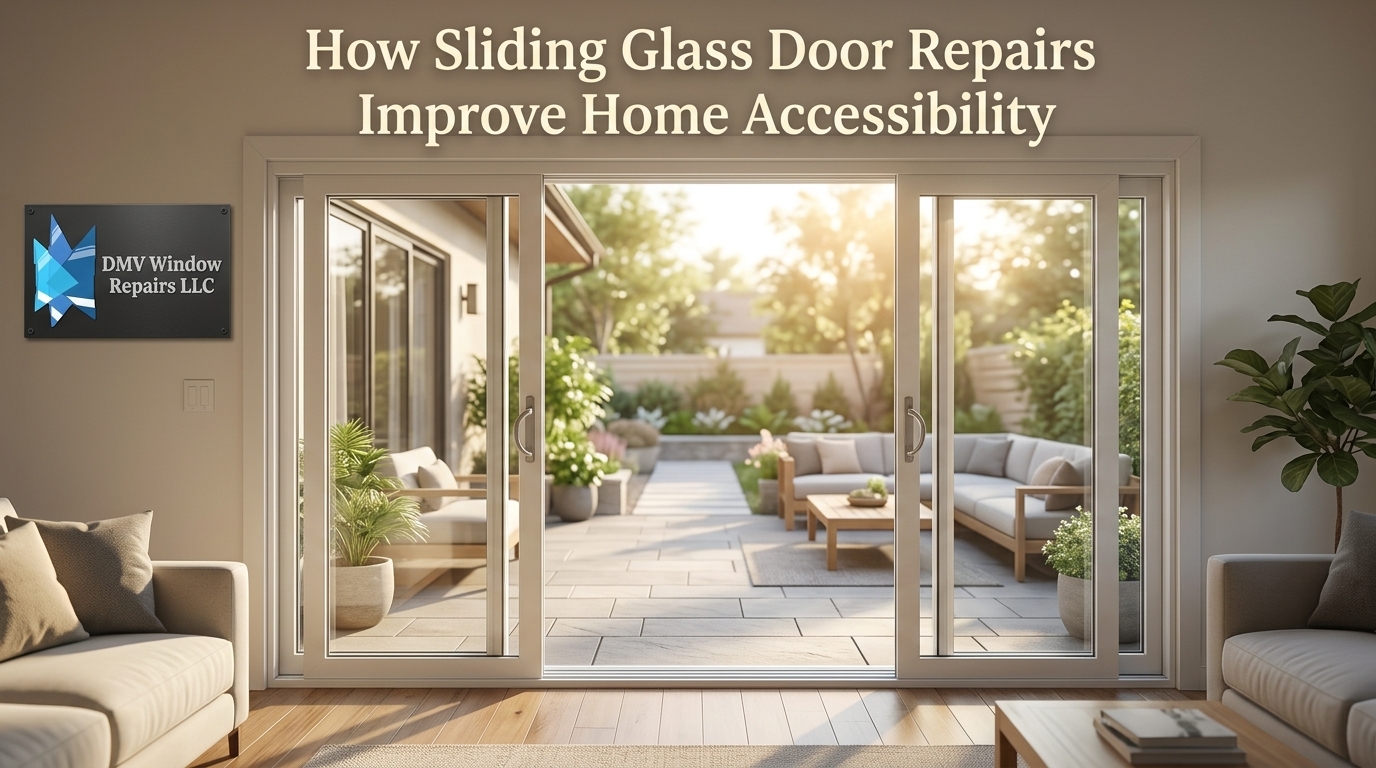
Sliding glass door repairs serve as an essential solution for enhancing home accessibility without the expense and disruption of full replacement. These doors often become difficult to operate due to accumulated dirt, worn components, or structural shifts over time, creating unnecessary barriers in everyday movement. Simple yet effective repairs restore effortless sliding action, eliminate high steps at thresholds, and ensure reliable performance for users of all abilities.
For households with seniors, individuals with mobility aids, young children, or anyone recovering from injury, these improvements mean greater independence and reduced risk of accidents. Professional repairs address root causes rather than temporary workarounds, delivering long-lasting functionality that adapts to real-life needs. Many homeowners discover that fixing existing doors proves far more practical and budget-friendly than starting over with new installations. The result transforms a once-frustrating entryway into a smooth, welcoming passage to outdoor living spaces. Ultimately, investing in targeted repairs makes the entire home more inclusive, comfortable, and safer for daily use by everyone.
Common Issues That Affect Accessibility
Numerous sliding glass door problems directly impact how easily people can move through them on a daily basis. Dirt, leaves, pollen, and small debris constantly collect in the lower track, gradually increasing friction until the door requires significant force to move. Worn or flattened rollers lose their ability to bear weight evenly, causing the panel to sag and scrape along the track. High thresholds, common in older installations, act as mini-steps that block wheelchairs, walkers, and even unsteady feet. Frames that have shifted slightly due to house settling create binding points where the door catches repeatedly.
Handles and locks that become stiff demand awkward twisting motions difficult for arthritic hands or limited grip strength. Damaged weatherstripping allows drafts while also making the door feel loose and unstable during operation. Broken or cracked glass not only compromises safety but also adds visual and psychological hesitation when approaching the door. Each of these issues compounds over months or years, turning what should be a simple task into a physical challenge.
Sticking Tracks and Rollers
The bottom track serves as the foundation for smooth door movement, yet it quickly becomes a collection point for outdoor contaminants. Sand, pet hair, dried leaves, and moisture mix into a gritty paste that embeds itself deeply. Standard household rollers, typically made of nylon or steel with bearings, wear down after 10–20 years of use and lose their round shape. When rollers flatten, the door tilts forward slightly and drags along the track instead of rolling freely. Repair technicians use powerful shop vacuums to extract hidden debris, followed by specialized brushes to scrub remaining buildup. Fresh high-quality rollers with sealed bearings restore the original glide. Height adjustment screws at the bottom of each panel allow precise leveling so weight distributes evenly again. Once completed, the door should slide with gentle fingertip pressure from fully closed to fully open positions.
High Thresholds and Uneven Sills
Threshold height remains one of the biggest physical barriers in sliding door accessibility. Many original installations feature aluminum thresholds rising 1–2 inches or more above the interior floor level. Even small elevations prove impossible for standard wheelchairs without ramps or assistance. Foundation settling over decades often creates additional unevenness along the sill plate. Repair specialists measure the exact rise and select low-profile aluminum or composite threshold reducers designed specifically for retrofitting. In cases of moderate height, custom-milled ramps provide a gradual incline meeting ADA-friendly slopes. Technicians carefully grind or plane high spots on wooden sills to achieve level surfaces before sealing everything against water intrusion. The finished transition feels almost flush, allowing walkers to roll over smoothly and wheelchairs to cross without catching or tipping.
Misaligned Doors and Frames
Temperature fluctuations, humidity changes, and normal house movement cause frames to shift out of perfect plumb over time. When the frame tilts even slightly, the door panel rubs against the jamb on one side while creating a gap on the opposite side. This rubbing increases resistance dramatically and accelerates wear on both the door edge and frame finish. Rollers drop out of optimal position, forcing the panel to carry uneven load. Professional realignment begins with loosening anchor screws and using shims to restore vertical and horizontal alignment. Laser levels ensure precision during adjustments. Roller height screws get fine-tuned so the door maintains consistent clearance along the entire track length. Properly realigned doors eliminate scraping noises, reduce required opening force by up to 70%, and prevent premature failure of other components.
Faulty Handles and Locking Mechanisms
Handles and locks endure thousands of cycles and frequently become the first point of frustration for users with limited dexterity. Internal mechanisms seize from lack of lubrication or corrosion from moisture exposure. Multi-point lock systems, common on modern doors, require coordinated movement that becomes impossible when parts wear unevenly. Replacement handles feature ergonomic designs with larger, easier-grip surfaces and lever-style operation instead of twisting knobs. Technicians adjust strike plates so bolts engage smoothly without forcing the door. Upgraded keyed locks add security while maintaining accessibility through thumb-turn interiors. These small hardware upgrades often produce the most noticeable daily improvement for seniors and individuals with hand limitations.
Benefits of Timely Repairs for Mobility
Repaired sliding glass doors remove physical obstacles that quietly limit freedom of movement around the home. Smooth, low-effort operation allows users to transition indoors and outdoors independently without waiting for assistance. Eliminated thresholds and aligned panels reduce fall risks that disproportionately affect older adults and those with balance issues.
Consistent performance builds confidence during routine activities like gardening, playing with grandchildren, or enjoying fresh air. Better seals after repair maintain comfortable indoor temperatures year-round, reducing strain from temperature swings. Homes become more welcoming for visitors using mobility devices, fostering greater social inclusion. Overall quality of life improves when a simple door no longer presents a daily challenge.
Enhanced Safety for All Ages
- Repairs directly address multiple safety concerns simultaneously.
- Sticking doors that suddenly release can cause loss of balance or overcompensation injuries.
- High thresholds contribute to thousands of tripping incidents annually among seniors.
- Repaired locks engage reliably without excessive force, preventing scenarios where users leave doors unsecured due to difficulty.
- Clear, undamaged glass panels maintain visibility so people notice obstacles or uneven ground outside.
- Stronger, properly adjusted hardware withstands repeated use without loosening unexpectedly.
- These cumulative safety enhancements create a more secure living environment for children, adults, and elderly residents alike.
Improved Independence for Seniors
Seniors particularly benefit from restored door functionality because small physical barriers accumulate into major limitations over time. Easy-glide repairs allow one-handed or minimal-effort operation, preserving energy for more enjoyable activities. Independent access to patios and gardens supports mental well-being through continued connection with nature. Reliable performance reduces reliance on family members for routine tasks, preserving dignity and autonomy. Consistent, predictable door behavior eliminates anxiety about getting stuck or needing help unexpectedly. Many seniors report renewed confidence in navigating their homes after accessibility-focused repairs.
Repair vs Replacement Considerations
Most accessibility problems respond well to targeted repairs when the main frame and glass remain in good condition. Roller replacement, track cleaning, threshold modification, and hardware upgrades typically cost 20–40% of a full new door system. Professional evaluation determines whether existing components can support long-term performance after fixes.
Partial upgrades such as low-E glass inserts or modern multi-point locks enhance energy efficiency and security without complete removal. Full replacement makes sense primarily when frames show significant rot, severe warping, or outdated designs incompatible with modern accessibility standards. Repairs preserve the original aesthetic while delivering immediate functional improvements.
| Issue | Root Cause | Primary Repair Method | Direct Accessibility Improvement | Cost Range (USD) | Typical Duration | DIY Difficulty | Expected Longevity After Repair | Tools Typically Required |
| Sticking / Hard to Slide | Debris + worn rollers | Deep clean, new rollers, lubrication | Drastic reduction in opening force | $120–$450 | 1–4 hours | Medium | 8–15 years | Vacuum, brushes, silicone spray, wrenches |
| High / Uneven Threshold | Original design or settling | Reducer strip, ramp, leveling | Wheelchair/walker-friendly flush transition | $250–$950 | 3–8 hours | Low | 10–20 years | Level, grinder, sealant gun, drill |
| Misaligned Panels/Frames | House movement, temperature shifts | Re-shim frame, adjust rollers | No binding, consistent smooth glide | $180–$600 | 2–5 hours | Medium | 10–20 years | Laser level, shims, screwdrivers |
| Stiff / Hard-to-Grip Handle | Wear, corrosion, poor design | Ergonomic replacement handle | Easier grip for arthritis/weak hands | $80–$350 | 1–2 hours | High | 10–15 years | Screwdriver set, pliers |
| Faulty Multi-Point Lock | Seized mechanism, misalignment | Lubricate/adjust or replace internals | Reliable security without excessive force | $150–$500 | 2–4 hours | Medium | 8–15 years | Specialty lock tools, lubricant |
| Drafty / Loose Seals | Cracked/compressed weatherstripping | Full perimeter seal replacement | Better insulation, stable temperature | $60–$300 | 1–4 hours | High | 7–12 years | Caulk gun, utility knife, measuring tape |
| Rattling / Noisy Operation | Loose hardware, worn rollers | Tighten all screws, replace components | Quiet, vibration-free movement | $100–$400 | 1–5 hours | Medium | 8–15 years | Socket set, replacement parts |
| Cracked / Damaged Glass | Impact or thermal stress | Replace glass panel (frame intact) | Clear visibility, restored safety | $400–$1,500 | 4–10 hours | Low | 15–25 years | Glass suction cups, glazing tools |
Professional Repair Process
Certified technicians follow a systematic approach to diagnose and resolve accessibility issues thoroughly. Initial inspection includes operating the door multiple times while checking for unusual resistance, noises, or visual misalignment. Detailed measurements confirm track levelness, threshold height, and frame plumb. Technicians explain findings and recommend prioritized fixes based on safety and functionality impact.
Work begins with protective coverings for floors and nearby furniture. Precise adjustments and quality replacement parts ensure repairs exceed original performance in many cases. Final testing involves repeated opening/closing cycles under various conditions. Cleanup leaves the area spotless, and homeowners receive maintenance guidance plus warranty documentation.
Tools and Materials Used
Professionals rely on specialized equipment unavailable in standard toolkits. Heavy-duty shop vacuums with narrow attachments extract deep track debris effectively. High-quality silicone lubricants formulated for long-term outdoor exposure prevent future sticking. Durable replacement rollers feature precision bearings and UV-resistant materials. Threshold ramps and reducers use marine-grade aluminum or composite blends for weather resistance. Ergonomic handles incorporate soft-grip surfaces and lever designs for universal accessibility. Sealants remain flexible across wide temperature ranges while providing waterproof barriers. All materials prioritize durability, safety compliance, and seamless integration with existing door systems.
Cost Savings from Repairs
Strategic repairs deliver substantial financial advantages compared to replacement projects. Basic track and roller service often costs under $300 while restoring near-new performance. Threshold modifications range $400–$900 yet eliminate the need for expensive ramp construction later. Preventing water intrusion through seal repairs avoids thousands in floor or subfloor damage. Energy savings from restored weather-tightness appear on utility bills within months. Homes with functional, accessible doors command higher resale prices in accessibility-conscious markets. Professional workmanship reduces likelihood of repeat service calls, maximizing long-term value.
Woodbridge VA homeowners frequently choose repairs to maintain accessibility while avoiding major renovation expenses.
DIY vs Professional Repairs
Minor maintenance like track cleaning and basic lubrication suits confident DIYers with proper tools. Roller replacement requires safely removing heavy door panels and precise realignment afterward. Threshold ramps and frame adjustments demand leveling expertise to prevent new unevenness or water issues. Complex lock repairs risk damaging internal mechanisms without specialized knowledge. Professionals complete intricate work faster, more accurately, and with meaningful warranties attached. Certified service ensures repairs truly enhance accessibility rather than creating temporary or unsafe fixes.
Woodbridge VA residents often rely on experienced local technicians for reliable, long-lasting accessibility improvements.
Long-Term Maintenance Tips
Establish a simple routine to preserve repair benefits indefinitely. Vacuum and wipe tracks monthly to prevent debris accumulation. Apply silicone-based lubricant to rollers and tracks twice per year. Inspect weatherstripping annually for cracks, gaps, or hardening and replace promptly. Check roller adjustment screws every six months and tighten if any play develops. Keep surrounding vegetation trimmed to minimize leaf and pollen buildup. Schedule comprehensive professional inspections every 2–3 years to catch emerging issues early. Consistent care extends the functional life of repaired doors significantly.
Woodbridge VA properties stay highly accessible when owners commit to regular preventive maintenance schedules.
Woodbridge VA continues to see growing demand for professional sliding door services focused on mobility and independence.
Conclusion
Sliding glass door repairs represent one of the most practical and impactful ways to boost home accessibility today. By resolving sticking tracks, worn rollers, high thresholds, misaligned frames, and difficult hardware, these targeted fixes remove barriers that limit movement and independence. Seniors regain confidence navigating familiar spaces, wheelchair users enjoy seamless indoor-outdoor transitions, and families benefit from safer, more inclusive environments.
Repairs cost far less than replacements while delivering immediate, noticeable improvements in daily comfort and safety. Professional expertise ensures lasting results that adapt to real-world needs rather than quick bandaids. With restored smooth operation and thoughtful adjustments, homes become truly welcoming places where everyone can move freely and confidently for years to come.
Frequently Asked Questions
- How do repairs make sliding glass doors easier to use for wheelchairs?
Repairs lower or ramp high thresholds to create nearly flush transitions suitable for wheels. New rollers and clean tracks eliminate resistance that previously required excessive pushing force. Properly aligned panels provide consistent clearance without catching. These combined changes enable independent, safe access to outdoor areas.
- What common repair fixes sticking doors quickly?
Thorough track cleaning removes embedded dirt and debris that causes most sticking. Replacing flattened or seized rollers restores smooth rolling action immediately. Lubrication with appropriate silicone spray reduces friction further. Roller height adjustments ensure even weight distribution for effortless gliding.
- Can repairs improve safety for elderly family members?
Absolutely—eliminating high thresholds prevents tripping and falls that commonly injure seniors. Smooth, predictable door movement avoids sudden jerks that disrupt balance. Ergonomic handles reduce strain on hands and wrists. Reliable locks engage easily, preventing unsecured doors.
- How much do typical sliding glass door accessibility repairs cost?
Basic track cleaning and roller replacement usually range $150–$450 including labor. Threshold ramps or reducers cost $300–$950 depending on complexity. Comprehensive fixes addressing multiple issues stay well below $1,500 in most cases. Professional quotes provide accurate pricing based on inspection.
- Is it better to repair or replace old sliding doors for accessibility?
Repair proves ideal when the frame, glass, and structure remain sound and issues stay limited to mechanical components. Replacement becomes necessary only for severe rot, extensive warping, or completely obsolete designs. A professional assessment determines the most cost-effective, practical path forward.
- How long do repaired sliding glass doors stay accessible?
With proper maintenance, repairs deliver reliable accessibility for 8–20 years depending on original door quality and climate exposure. Quality replacement parts and professional installation significantly extend performance. Regular inspections catch minor wear before it affects usability.
- Do repairs help reduce drafts and improve comfort?
Yes—replacing compressed or damaged weatherstripping seals gaps around the entire perimeter effectively. Fixed alignment eliminates air leaks caused by binding or gaps. Improved seals maintain stable indoor temperatures and reduce energy waste noticeably.
- What should I look for when hiring a repair technician?
Choose specialists with extensive experience in sliding door accessibility modifications specifically. Verify positive reviews, licensing, insurance coverage, and clear warranty policies. Ask about the quality of replacement parts they use and their cleanup procedures. Reliable technicians explain issues clearly and provide written estimates.
- Can DIY repairs improve accessibility effectively?
Basic cleaning, lubrication, and handle replacement work well for minor issues when done carefully. Complex tasks like roller replacement, threshold modification, or frame realignment carry risks of improper results or injury. Professionals ensure safe, durable enhancements that truly meet accessibility goals.
- Will repaired doors increase my home’s overall value?
Definitely—functional, accessible sliding doors appeal strongly to aging-in-place buyers and families with mobility needs. Smooth operation, safety features, and energy efficiency add measurable market appeal. Well-maintained doors signal overall home care and can support higher resale prices.
Visit our DMV Window Repairs LLC blog to explore our residential and commercial glass services for customers in Woodbridge, VA.