

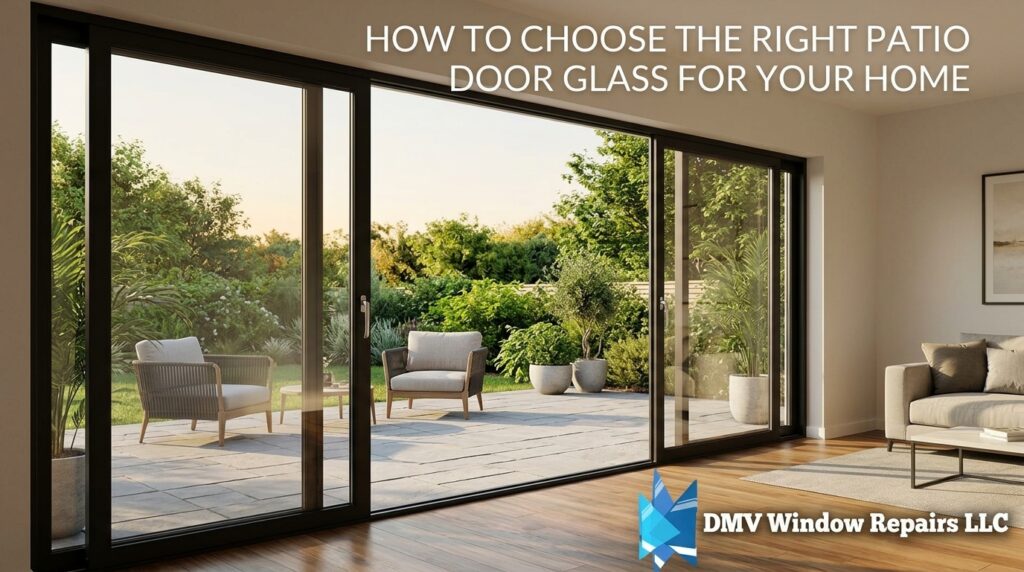
Selecting the perfect glass for your patio door transforms your living space by balancing natural light, energy performance, security, and visual appeal. Patio doors with large glass panels invite sunlight indoors while connecting indoor comfort to outdoor enjoyment seamlessly. The wrong glass choice leads to higher utility bills, excessive heat gain or loss, reduced privacy, or safety concerns from breakage. Modern advancements offer options like multi-pane configurations, special coatings, and strengthened materials that address these issues effectively.
Factors such as local climate, home orientation, budget, and specific needs guide the decision process carefully. Prioritizing energy-efficient features often yields long-term savings and improved home comfort. Understanding available technologies empowers confident choices that enhance both function and style. Homeowners in Woodbridge VA benefit greatly from selections tailored to moderate weather patterns for optimal year-round performance.
Key Factors to Consider When Choosing Patio Door Glass
Multiple elements influence the ideal glass selection for patio doors beyond basic appearance. Climate plays a primary role in determining insulation needs and solar control requirements. Energy efficiency ratings like U-factor and SHGC help compare options objectively. Security features matter for ground-level installations exposed to potential entry risks.
UV protection preserves interior furnishings from fading over time. Noise reduction becomes valuable near busy streets or neighborhoods. Budget constraints balance upfront costs against long-term energy savings. Aesthetic preferences ensure the glass complements your home’s architectural style beautifully.
Climate and Regional Performance Needs
Extreme temperature swings demand strong insulation to maintain indoor comfort efficiently. Hot sunny climates require glass that blocks excess solar heat to prevent overheating. Cold regions benefit from options retaining interior warmth during winter months. Mixed climates need versatile glass handling both heating and cooling demands year-round. Coastal or humid areas prioritize moisture-resistant seals preventing fogging issues. Proper climate matching maximizes performance and extends glass lifespan significantly.
Energy Efficiency Ratings Explained
U-factor measures heat transfer through the entire door assembly with lower numbers indicating better insulation. Solar Heat Gain Coefficient (SHGC) shows how much solar heat passes through with lower values reducing cooling needs. Visible Transmittance (VT) rates light passage for brighter interiors without compromising efficiency. ENERGY STAR certification confirms performance meets regional standards effectively. NFRC labels provide verified data for accurate comparisons between products. Understanding these ratings prevents mismatched choices wasting energy dollars.
Types of Glass Configurations for Patio Doors
- Patio door glass comes in various constructions each offering different performance levels. S
- ingle-pane remains basic but outdated for modern homes.
- Double-pane introduces air or gas space improving insulation dramatically.
- Triple-pane adds another layer for superior thermal and acoustic control.
- Insulated glass units (IGUs) incorporate spacers and seals preventing moisture intrusion.
- Upgrading configurations during replacement delivers noticeable comfort improvements immediately.
Single-Pane vs Double-Pane Glass
Single-pane glass transmits heat freely leading to drafts and higher bills consistently. Double-pane traps air or gas between layers creating effective thermal barrier. Argon or krypton fills enhance insulation beyond regular air spaces. Double-pane reduces condensation risks on interior surfaces noticeably. Most homeowners upgrade to double-pane for balanced cost and performance benefits. This configuration suits moderate climates particularly well.
Triple-Pane and Advanced Multi-Pane Options
Triple-pane glass provides maximum insulation for extreme weather conditions. Additional pane increases weight requiring stronger frames and hardware. Noise reduction improves dramatically with three layers blocking sound transmission. Energy savings justify higher initial investment over time. Triple-pane excels in northern or very cold regions primarily. Advanced versions combine multiple technologies for peak efficiency.
Essential Glass Coatings and Treatments
Special coatings enhance standard glass performance without altering appearance significantly. Low-E coatings reflect infrared heat while allowing visible light through freely. Tinted glass reduces glare and heat gain in bright exposures. Reflective options provide privacy from outside views during daylight. Self-cleaning coatings minimize exterior maintenance effort over years. Combining coatings creates customized solutions matching specific requirements perfectly.
Low-E Coatings: How They Work
Low-emissivity (Low-E) layers use microscopic metallic films blocking heat transfer effectively. Coatings reflect interior heat back inside during winter months. In summer they reject solar heat keeping interiors cooler naturally. Different Low-E types suit various climates optimally. Hard-coat versus soft-coat options offer durability trade-offs. Low-E dramatically improves overall energy performance ratings.
Tinted, Frosted, and Privacy Glass Options
Tinted glass absorbs solar energy reducing heat gain indoors noticeably. Bronze or gray tints maintain natural color views while controlling brightness. Frosted or patterned glass diffuses light for added privacy without blocking illumination. Obscure options work well for bathrooms or side exposures. These treatments balance aesthetics with functional benefits effectively. Custom patterns allow personalization matching home decor styles.
Safety and Security Glass Features
Safety glass prevents serious injuries from breakage in high-traffic areas. Tempered glass shatters into small dull pieces rather than sharp shards. Laminated glass holds together when broken maintaining barrier integrity. Impact-resistant versions withstand severe weather or attempted forced entry. Multi-layer laminates add ballistic protection in high-risk situations. Enhanced security options provide peace of mind for families.
Tempered Safety Glass Standards
Tempered glass undergoes heat treatment increasing strength four to five times. It meets building codes for doors in living spaces universally. Breakage produces pebble-like fragments minimizing cut risks. Tempered glass resists thermal stress from sunlight exposure better. Most standard patio doors include tempered glass minimum. Upgrading ensures compliance and family safety always.
Laminated and Impact-Resistant Glass
Laminated layers bond with polyvinyl butyral (PVB) interlayer holding glass together. Impact versions withstand flying debris during storms effectively. Laminated glass reduces noise transmission additionally. UV blocking interlayers protect interiors from fading simultaneously. These options excel in hurricane-prone or high-wind areas. Security benefits justify premium pricing for many homeowners.
UV Protection and Interior Preservation
Ultraviolet rays cause fading of furniture, flooring, and artwork over time. Advanced glass blocks up to 99% of harmful UV radiation. Low-E coatings often include UV rejection properties naturally. Tinted or laminated options enhance protection further. Preserving interior colors extends material lifespan significantly. UV control improves comfort by reducing glare indoors.
Benefits of UV-Blocking Glass
UV protection prevents fabric discoloration and wood fading dramatically. Skin health benefits from reduced exposure indoors. Artwork and photographs maintain vibrancy longer. Energy efficiency improves indirectly through less heat absorption. Most modern Low-E glass provides substantial UV blocking. Combining features maximizes protection without darkening rooms.
Noise Reduction Capabilities
Busy neighborhoods or traffic create disruptive indoor sounds. Multi-pane glass with gas fills dampens external noise effectively. Laminated interlayers absorb vibrations reducing transmission. Thicker glass configurations outperform single layers noticeably. Acoustic-rated options target specific frequency ranges. Quiet interiors enhance relaxation and sleep quality.
Acoustic Glass Technologies
Laminated acoustic glass uses specialized interlayers targeting sound waves. Asymmetric pane thicknesses disrupt noise patterns effectively. Gas-filled spaces add another damping layer. Triple-pane with lamination delivers best performance overall. Proper installation seals prevent flanking sound paths. Noise reduction transforms living spaces dramatically.
Cost Comparison of Glass Options
Glass choices impact overall project pricing substantially. Basic tempered single-pane remains most affordable upfront. Double-pane Low-E adds moderate cost with quick payback. Triple-pane and laminated options represent premium investments. Long-term energy savings offset higher initial expenses. Factor in rebates for ENERGY STAR products.
| Glass Type | Key Features | Approx. Cost Range (per sq ft) | Energy Savings Potential | Best For | Durability Level |
| Single-Pane Tempered | Basic safety, clear view | $10–$20 | Low | Budget projects, mild climates | Medium |
| Double-Pane Clear | Improved insulation, condensation control | $20–$35 | Moderate | General residential use | Medium-High |
| Double-Pane Low-E Argon | Heat reflection, UV block | $30–$50 | High | Most climates, energy focus | High |
| Triple-Pane Low-E Argon | Superior insulation, noise reduction | $50–$80 | Very High | Cold/harsh climates | Very High |
| Laminated Tempered | Security, sound dampening | $40–$70 | Moderate-High | Security-conscious homes | Very High |
| Impact-Resistant Laminated | Storm protection, forced entry resistance | $70–$120 | High | Coastal/high-wind areas | Excellent |
| Tinted Low-E Double-Pane | Glare reduction, solar control | $35–$60 | High | Sunny exposures | High |
| Frosted/Obscure Privacy | Privacy without light loss | $30–$55 | Moderate | Bathrooms/side views | Medium-High |
| Self-Cleaning Low-E | Reduced maintenance, coatings | $45–$75 | High | Hard-to-reach installations | High |
| Acoustic Laminated Triple-Pane | Maximum noise control | $80–$150 | Very High | Urban/noisy locations | Excellent |
Additional Considerations for Optimal Selection
Frame material compatibility affects overall performance and appearance. Vinyl offers affordability and low maintenance. Fiberglass provides superior strength and insulation. Aluminum requires thermal breaks for efficiency. Wood delivers classic beauty needing more upkeep. Hardware quality ensures smooth operation long-term.
Matching Glass to Your Home’s Style
Contemporary homes favor large clear expanses maximizing views. Traditional styles suit divided lite patterns elegantly. Modern designs incorporate minimal frames for sleek appearance. Color tint choices complement exterior schemes. Grid options add architectural interest subtly. Custom features personalize the final look perfectly.
Professional Consultation Benefits
Experts assess specific home conditions accurately. They measure precisely avoiding fit issues. Knowledge of local codes ensures compliance always. Access to latest technologies provides best options. Warranty support adds long-term protection. Professional installation guarantees optimal performance.
Conclusion
Choosing the right patio door glass enhances home comfort, efficiency, and security while elevating overall aesthetics beautifully. Balancing factors like climate needs, energy ratings, safety features, and budget creates ideal solutions tailored perfectly. Investing in advanced options like Low-E, argon-filled, or triple-pane delivers substantial long-term advantages. Proper selection prevents common problems like drafts, condensation, fading, or excessive noise. With informed decisions, patio doors become valuable home improvements lasting decades. In Woodbridge VA, selecting versatile efficient glass ensures year-round satisfaction and value.
Frequently Asked Questions
- What is the most energy-efficient glass for patio doors?
Triple-pane glass with Low-E coatings and argon or krypton gas fill provides maximum insulation and heat control. It reduces heat transfer dramatically compared to single or double-pane options. ENERGY STAR-rated configurations meet strict performance standards reliably. This choice yields significant utility savings over time.
- Should I choose tempered or laminated glass for safety?
Tempered glass breaks into small safe pieces minimizing injury risks effectively. Laminated glass holds together preventing openings even when cracked. Laminated offers superior security against break-ins additionally. Many combine both for ultimate protection.
- How does Low-E coating improve patio door performance?
Low-E reflects infrared heat keeping warmth inside during winter and blocking solar gain in summer. It reduces UV transmission protecting interiors from fading. Visible light passes through maintaining bright spaces naturally. Different Low-E types optimize for specific climates.
- Is argon gas worth the extra cost in patio door glass?
Argon gas between panes improves insulation over regular air substantially. It lowers U-factor ratings enhancing overall energy efficiency noticeably. In moderate to cold climates payback occurs quickly through savings. Krypton provides even better performance at higher cost.
- What glass blocks UV rays best for protecting furniture?
Low-E coatings combined with laminated interlayers block up to 99% of harmful UV radiation. Tinted options add extra absorption capabilities. This protection prevents color fading in carpets, upholstery, and artwork. Most modern energy-efficient glass includes strong UV rejection.
- Can privacy glass still allow good natural light?
Frosted or patterned privacy glass diffuses light while blocking direct views effectively. It maintains brightness without creating dark rooms. Obscure options suit bathrooms or close neighboring exposures perfectly. Clear Low-E glass with blinds offers adjustable privacy alternatively.
- How important is noise reduction in patio door glass?
Multi-pane laminated glass significantly dampens external sounds from traffic or neighbors. Triple-pane configurations excel at blocking unwanted noise intrusion. Acoustic interlayers target specific frequencies for better results. Quiet interiors improve daily living comfort substantially.
- What glass works best in hot sunny climates?
Low-E with low SHGC values reflects solar heat preventing indoor overheating. Tinted or reflective coatings reduce glare and cooling loads effectively. Double or triple-pane adds insulation against temperature swings. These options maintain comfortable interiors year-round.
- Are there self-cleaning options for patio door glass?
Photocatalytic coatings break down dirt when exposed to sunlight naturally. Rain washes away loosened particles keeping exteriors cleaner longer. This reduces maintenance effort especially for hard-to-reach panels. Self-cleaning combines well with Low-E for dual benefits.
- When should I upgrade to impact-resistant glass?
Impact-resistant laminated glass suits areas prone to severe weather or high winds. It withstands debris impacts maintaining structural integrity. Security benefits deter forced entry attempts additionally. Insurance discounts often apply for these upgrades. In Woodbridge VA, standard tempered with Low-E suffices for typical conditions while impact adds extra protection where desired.
Visit our DMV Window Repairs LLC blog to explore our residential and commercial glass services for customers in Woodbridge, VA.