
Window glass safety standards exist to protect people property and buildings from injuries damage and structural failures caused by broken glass impacts severe weather accidents or everyday use. These standards mandate specific types of glass tempering lamination thickness testing protocols and labeling requirements that manufacturers installers and building codes must follow. Homeowners benefit greatly from understanding these rules because compliant glass reduces the risk of serious cuts from shards prevents spontaneous breakage in certain conditions and provides better protection during storms hurricanes earthquakes or forced-entry attempts.
Safety glazing requirements vary by location window placement height above floor level proximity to walking surfaces and whether the area is considered hazardous such as bathrooms doors stairways or near pools. Modern standards incorporate impact resistance shatterproof characteristics and fall-protection features ensuring glass either breaks into small dull pebbles or holds together when cracked. Compliance with recognized standards like ANSI Z97.1 CPSC 16 CFR 1201 ASTM and regional building codes ensures windows meet minimum safety thresholds while often exceeding them through advanced laminated tempered or hybrid solutions.
Knowing these standards empowers homeowners to verify product labels ask the right questions during purchase or replacement and recognize when existing glass falls short of current requirements. In Woodbridge VA where occasional high winds severe thunderstorms and temperature fluctuations test window resilience awareness of safety standards helps residents choose glass that enhances protection without compromising energy efficiency or aesthetics.
Why Window Glass Safety Standards Matter
Safety standards for window glass emerged from decades of documented injuries property damage and liability cases involving ordinary annealed glass that shatters into long sharp dangerous shards upon impact. Regulations require safety glazing in specific hazardous locations to minimize laceration risks especially for children elderly individuals and pets. Compliant glass either tempers to fragment into small rounded pieces or laminates to hold shards in place preventing penetration and fallout. These measures save lives reduce medical costs lower insurance claims and provide peace of mind during everyday use or extreme events. Standards also address spontaneous breakage thermal stress wind loads and human impact ensuring long-term reliability.
Understanding window glass safety standards equips homeowners with essential knowledge to make informed decisions about protection compliance and performance when selecting maintaining or replacing windows. Key standards like ANSI Z97.1 CPSC 16 CFR 1201 and regional building codes mandate tempered laminated or impact-resistant glazing in hazardous locations to prevent serious injuries contain shards and withstand impacts. Homeowners benefit from reduced laceration risks better storm protection enhanced security lower insurance costs quieter interiors and preserved property value through proper safety glass choices.
Historical Context and Evolution of Standards
Early standards developed in the 1970s after numerous reported injuries led to federal requirements under the Consumer Product Safety Commission mandating safety glazing in certain applications with ongoing updates incorporating impact testing lamination improvements and hurricane-resistant criteria.
Core Goals of Modern Safety Regulations
Primary objectives include preventing serious cuts from broken glass reducing fall hazards through containment providing impact resistance in storm-prone areas and ensuring glass withstands everyday knocks without catastrophic failure.
Key Safety Standards Homeowners Should Recognize
Several major standards govern window glass safety in the United States with ANSI Z97.1 and CPSC 16 CFR 1201 forming the foundation for most residential applications while ASTM and regional codes add specific requirements. Understanding window glass safety standards equips homeowners with essential knowledge to make informed decisions about protection compliance and performance when selecting maintaining or replacing windows.
Key standards like ANSI Z97.1 CPSC 16 CFR 1201 and regional building codes mandate tempered laminated or impact-resistant glazing in hazardous locations to prevent serious injuries contain shards and withstand impacts. Homeowners benefit from reduced laceration risks better storm protection enhanced security lower insurance costs quieter interiors and preserved property value through proper safety glass choices.
ANSI Z97.1 – American National Standard
This voluntary consensus standard tests glass for impact resistance and fragmentation classifying products as safety glazing when they pass prescribed drop-ball or shotgun tests ensuring safe breakage patterns.
CPSC 16 CFR 1201 – Federal Safety Standard
Mandatory federal regulation enforced by the Consumer Product Safety Commission requires safety glazing in hazardous locations with rigorous impact and cycling tests to prevent unreasonable risk of injury.
Types of Safety Glazing Materials
Safety glass falls into two primary categories tempered and laminated each offering distinct performance characteristics suited to different applications and hazard levels.Understanding window glass safety standards equips homeowners with essential knowledge to make informed decisions about protection compliance and performance when selecting maintaining or replacing windows.
Key standards like ANSI Z97.1 CPSC 16 CFR 1201 and regional building codes mandate tempered laminated or impact-resistant glazing in hazardous locations to prevent serious injuries contain shards and withstand impacts. Homeowners benefit from reduced laceration risks better storm protection enhanced security lower insurance costs quieter interiors and preserved property value through proper safety glass choices.
Fully Tempered Glass Characteristics
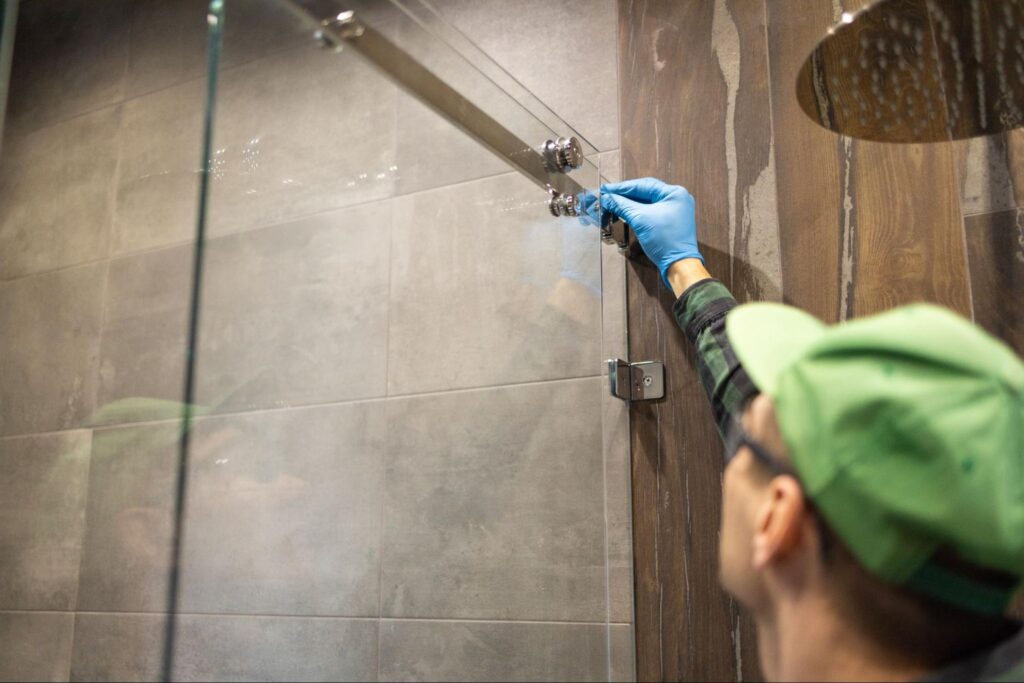
Tempered glass undergoes rapid heating and cooling creating compressive surface stress so that when broken it fragments into small pebble-like pieces with dull edges minimizing laceration risk ideal for shower doors sidelites and low-level windows.
Laminated Glass Construction and Benefits
Laminated glass sandwiches one or more interlayers usually polyvinyl butyral PVB between two or more glass plies holding the assembly together after impact preventing penetration fallout and providing superior sound insulation UV protection and security.
Where Safety Glazing Is Required by Code
Building codes typically mandate safety glazing in specific hazardous locations to protect occupants from injury with requirements varying slightly by jurisdiction but generally following International Residential Code IRC guidelines. Understanding window glass safety standards equips homeowners with essential knowledge to make informed decisions about protection compliance and performance when selecting maintaining or replacing windows.
Key standards like ANSI Z97.1 CPSC 16 CFR 1201 and regional building codes mandate tempered laminated or impact-resistant glazing in hazardous locations to prevent serious injuries contain shards and withstand impacts. Homeowners benefit from reduced laceration risks better storm protection enhanced security lower insurance costs quieter interiors and preserved property value through proper safety glass choices.
Hazardous Locations Defined by Code
Areas requiring safety glazing include windows within 18 inches of walking surfaces doors sidelites near tubs showers stairways and railings and any glass below 60 inches above floor in certain configurations.
Exceptions and Special Considerations
Some exceptions exist for small decorative panels jalousie windows or certain fire-rated applications but most modern codes err on the side of caution requiring safety glazing in any potentially hazardous spot.
Impact-Resistant and Hurricane-Rated Glass
- In storm-prone or high-wind areas impact-resistant laminated glass meets enhanced standards like Miami-Dade NOA Texas Department of Insurance or ASTM E1996 protecting against windborne debris and reducing insurance premiums.
- Understanding window glass safety standards equips homeowners with essential knowledge to make informed decisions about protection compliance and performance when selecting maintaining or replacing windows.
- Key standards like ANSI Z97.1 CPSC 16 CFR 1201 and regional building codes mandate tempered laminated or impact-resistant glazing in hazardous locations to prevent serious injuries contain shards and withstand impacts.
- Homeowners benefit from reduced laceration risks better storm protection enhanced security lower insurance costs quieter interiors and preserved property value through proper safety glass choices.
Large Missile Impact Testing
Large missile tests simulate flying debris striking glass at high velocity with laminated products required to remain in the frame or allow only limited penetration to pass certification.
Small Missile and Cyclic Pressure Testing
Small missile tests followed by repeated positive and negative pressure cycles ensure long-term integrity under hurricane-force winds and flying object impacts.
Comparison of Safety Glass Types
| Glass Type | Breakage Pattern | Primary Safety Benefit | Best Applications | Limitations / Cost Considerations |
| Fully Tempered | Small dull pebble fragments | Reduces laceration risk | Shower doors sidelites interior partitions | Does not hold together can fall out if frame fails |
| Standard Laminated (PVB) | Holds together shards contained | Prevents fallout penetration | Skylights overhead glazing security needs | Higher cost heavier requires stronger frames |
| Hurricane-Impact Laminated | Enhanced interlayer withstands debris | Hurricane windborne object resistance | Coastal high-wind zones | Significantly higher cost specialized frames |
| Acoustic Laminated | Thicker PVB interlayer | Superior noise reduction | Urban noisy areas bedrooms | Added weight cost but excellent multi-benefit |
| Fire-Rated Laminated | Intumescent interlayer | Fire containment while maintaining safety | Fire-rated walls doors | Specialized expensive limited sizes |
| Blast-Resistant Laminated | Thick multi-ply interlayers | Explosion pressure resistance | Government commercial high-security | Very high cost heavy specialized |
Labeling and Certification Requirements
All safety glazing must carry permanent durable labeling identifying compliance manufacturer test standard and whether tempered or laminated with labels usually etched or silk-screened in a visible corner. Understanding window glass safety standards equips homeowners with essential knowledge to make informed decisions about protection compliance and performance when selecting maintaining or replacing windows.
Key standards like ANSI Z97.1 CPSC 16 CFR 1201 and regional building codes mandate tempered laminated or impact-resistant glazing in hazardous locations to prevent serious injuries contain shards and withstand impacts. Homeowners benefit from reduced laceration risks better storm protection enhanced security lower insurance costs quieter interiors and preserved property value through proper safety glass choices.
What Safety Labels Look Like
Labels typically include “ANSI Z97.1” “CPSC 16 CFR 1201” “CAT II” for impact classification manufacturer name and sometimes “laminated” or “tempered” designation for easy verification.
Verifying Compliance On-Site
Homeowners should check for intact permanent labels on existing or new glass and request documentation certificates or test reports from installers or manufacturers.
Benefits of Upgrading to Safety Glass
Beyond mandatory code compliance upgrading to safety glazing provides enhanced protection quieter interiors reduced UV fading better storm resistance lower insurance premiums and increased peace of mind.
Understanding window glass safety standards equips homeowners with essential knowledge to make informed decisions about protection compliance and performance when selecting maintaining or replacing windows. Key standards like ANSI Z97.1 CPSC 16 CFR 1201 and regional building codes mandate tempered laminated or impact-resistant glazing in hazardous locations to prevent serious injuries contain shards and withstand impacts. Homeowners benefit from reduced laceration risks better storm protection enhanced security lower insurance costs quieter interiors and preserved property value through proper safety glass choices.
Injury Prevention and Liability Reduction
Safety glass significantly lowers risk of severe cuts from broken windows especially important in homes with children elderly residents or high-traffic areas.
Added Security and Storm Protection
Laminated and impact-resistant options deter forced entry withstand debris and maintain integrity during severe weather reducing damage and recovery costs.
When to Consider Professional Safety Glass Replacement
Homeowners should evaluate existing glass during renovations window replacements or after incidents and consult professionals when glass lacks visible safety labels shows signs of spontaneous breakage or fails to meet current code in hazardous locations.
Understanding window glass safety standards equips homeowners with essential knowledge to make informed decisions about protection compliance and performance when selecting maintaining or replacing windows. Key standards like ANSI Z97.1 CPSC 16 CFR 1201 and regional building codes mandate tempered laminated or impact-resistant glazing in hazardous locations to prevent serious injuries contain shards and withstand impacts. Homeowners benefit from reduced laceration risks better storm protection enhanced security lower insurance costs quieter interiors and preserved property value through proper safety glass choices.
Conclusion
Understanding window glass safety standards equips homeowners with essential knowledge to make informed decisions about protection compliance and performance when selecting maintaining or replacing windows. Key standards like ANSI Z97.1 CPSC 16 CFR 1201 and regional building codes mandate tempered laminated or impact-resistant glazing in hazardous locations to prevent serious injuries contain shards and withstand impacts. Homeowners benefit from reduced laceration risks better storm protection enhanced security lower insurance costs quieter interiors and preserved property value through proper safety glass choices.
Regular inspection verification of labels and upgrades during renovations ensure ongoing compliance and maximum protection. In Woodbridge VA where variable weather and occasional severe storms occur awareness of these standards helps residents prioritize glass that balances safety energy efficiency and durability. Woodbridge VA homeowners gain added security through code-compliant safety glazing. Woodbridge VA continues benefiting from informed safety glass decisions.
Frequently Asked Questions (FAQs)
- What are the main safety standards for residential window glass in the US?
The primary standards include ANSI Z97.1 for voluntary consensus safety glazing and CPSC 16 CFR 1201 the mandatory federal standard enforced by the Consumer Product Safety Commission.
- Where is safety glazing required by building codes?
Safety glazing is mandatory in hazardous locations such as windows within 18 inches of floors doors sidelites near tubs showers stairways railings and any glass below 60 inches in certain configurations.
- What happens when tempered glass breaks compared to regular glass?
Tempered glass shatters into thousands of small dull-edged pebble-like pieces minimizing laceration risk while regular annealed glass breaks into long sharp dangerous shards.
- Does laminated glass provide better protection than tempered glass?
Laminated glass holds together after impact preventing penetration and fallout offering superior security storm resistance and noise reduction though tempered excels at reducing shard injury risk.
- How can I tell if my existing windows have safety glass installed?
Look for permanent etched or silk-screened labels in the corner of the glass stating “ANSI Z97.1” “CPSC 16 CFR 1201” “tempered” or “laminated” along with manufacturer information.
- Is impact-resistant glass required in non-coastal areas?
In most non-hurricane zones impact-resistant glass is not required but laminated safety glass may be mandated in hazardous locations and provides optional storm protection benefits.
- Can I upgrade only the glass in my existing window frames to safety glazing?
Yes professional IGU replacement allows upgrading to tempered laminated or impact-resistant glass while retaining original frames provided they remain structurally sound.
- Does safety glass affect energy efficiency or visibility?
Modern safety glass maintains excellent clarity and can incorporate low-E coatings gas fills and warm-edge spacers delivering equal or better energy performance than non-safety options.
- What should I do if my windows lack safety labels in hazardous locations?
Consult a professional window specialist or building inspector to verify compliance and consider replacement if glass does not meet current code requirements for safety.
- How do safety standards differ for skylights overhead glazing or doors?
Overhead and sloped glazing often require laminated glass to prevent fallout while doors and sidelites mandate tempered or laminated depending on size location and impact risk.
Visit our DMV Window Repairs LLC blog to explore our residential and commercial glass services for customers in Woodbridge, VA.